Efficient soybean conveying is essential for optimizing operations in processing plants and storage facilities. The choice of conveying method directly impacts workflow efficiency, product quality, and overall operational costs. Various techniques are available, each suited to different operational needs and environmental conditions. This article examines several common methods for soybean conveying, highlighting their applications, advantages, and limitations.
Gravity Conveying Systems
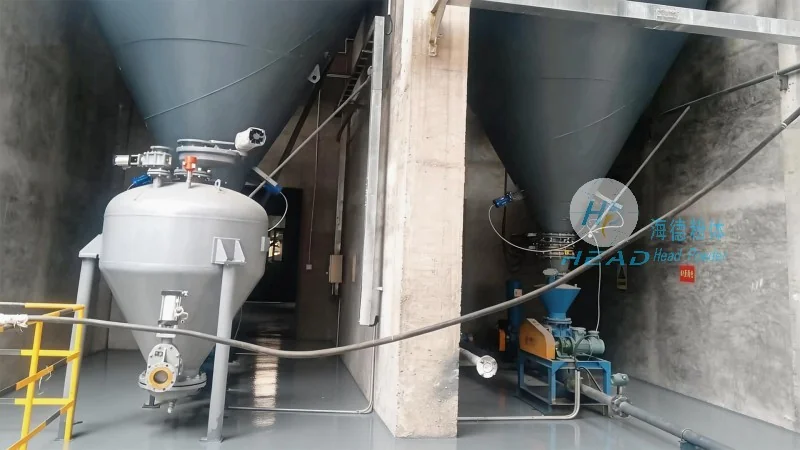
Gravity conveying utilizes the natural force of gravity to move soybeans from one location to another. This method is typically employed when the facility layout allows for a gentle incline. Soybeans are placed at the top of a conveyor and allowed to flow down to the discharge point. The primary benefit of gravity conveying is its low energy consumption and simplicity, as it does not require motors or other power sources. However, it is limited by the need for a suitable slope and may not be suitable for large volumes or long distances.
Mechanical Conveying: Belt Conveyors
Belt conveyors are among the most widely used mechanical systems for soybean conveying. These systems feature a continuous belt that moves over rollers or pulleys, transporting soybeans from the loading area to the discharge point. The belt is often made of durable materials like rubber or plastic to withstand the abrasive nature of soybeans and prevent damage. Belt conveyors are highly versatile and can be customized to fit various layouts and capacities. They are suitable for both short and long distances and can handle a wide range of soybean types, including whole beans, cracked beans, or processed products. The efficiency and reliability of belt conveyors make them a popular choice in many processing plants.
Mechanical Conveying: Screw Conveyors
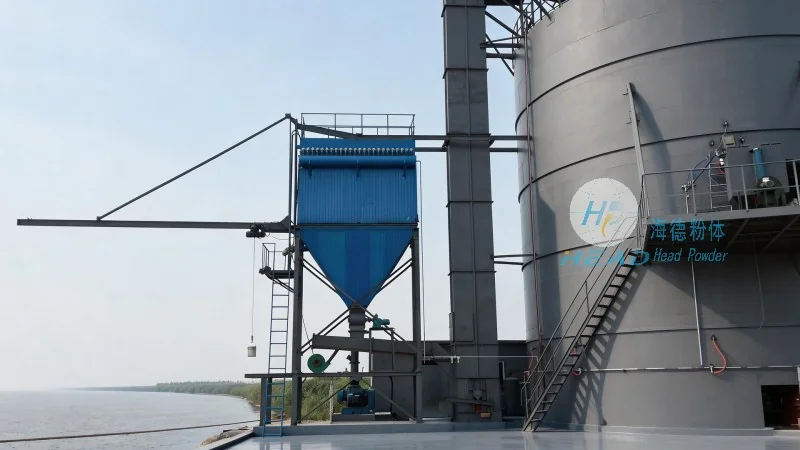
Screw conveyors, also known as auger conveyors, are another effective mechanical method for soybean conveying. These systems use a rotating screw to move soybeans through a tube or trough. The screw, typically made of stainless steel or other durable materials, rotates and pushes the beans forward. Screw conveyors are particularly useful for vertical or inclined transport, as they can lift soybeans to higher levels without additional equipment. They are also suitable for handling bulk materials and can be integrated with other processing equipment, such as grinders or dryers. The compact design of screw conveyors makes them ideal for spaces with limited horizontal or vertical room.
Air Conveying: Pneumatic Systems
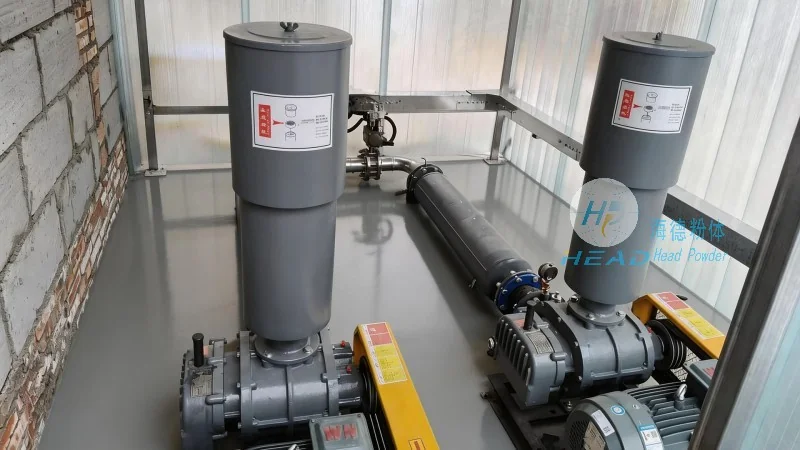
Pneumatic conveying, or air conveying, uses compressed air to transport soybeans through a system of pipes. This method is commonly used in large-scale storage facilities for "silo loading" or "hopper feeding." Soybeans are fed into a hopper, and compressed air pushes them through the pipes to the desired location. Pneumatic systems are highly efficient for long-distance transport and can handle large volumes quickly. They are also flexible, as the pipes can be arranged in various configurations to suit the facility layout. However, they require a reliable air supply and may be more complex to install and maintain compared to other methods.
Hybrid and Specialized Conveying Solutions
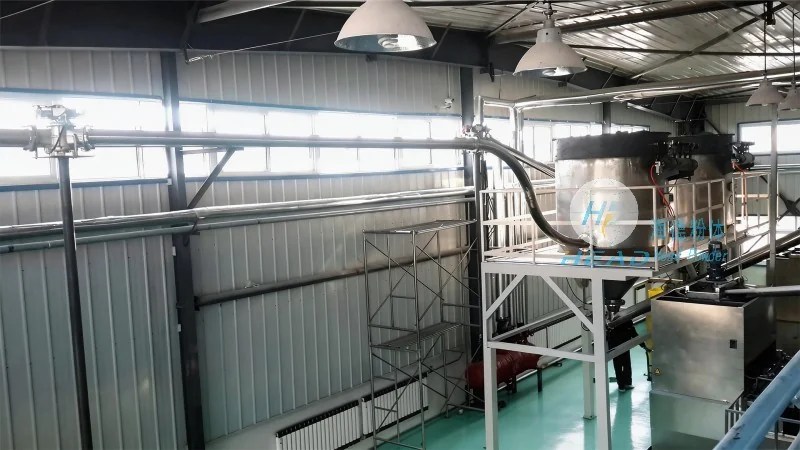
In some cases, a combination of the above methods may be used to achieve optimal performance. For example, a facility might use a belt conveyor to transport soybeans from a storage bin to a screw conveyor, which then lifts them to a processing line. Such hybrid systems allow for greater flexibility and can be tailored to specific production needs. Additionally, specialized equipment like vibratory conveyors or magnetic conveyors may be used for handling wet or sticky soybeans or separating impurities from the product.
When selecting a soybean conveying method, factors such as the volume of soybeans, the distance between loading and discharge points, the facility layout, and the soybean characteristics (e.g., moisture content, size, or shape) must be considered. Each method has its strengths and limitations, and the best choice depends on the individual operational requirements.
Shandong HeadPowder Engineering Co., Ltd., a leading provider of conveying solutions, offers tailored equipment and systems for soybean processing facilities. With extensive industry experience, the company understands the importance of efficient conveying in ensuring smooth operations. Whether a simple gravity system or a complex pneumatic setup is needed, HeadPowder provides expertise and equipment to meet conveying needs. Based in Shandong, China, the company serves clients globally, helping them optimize soybean handling processes and improve productivity.




