HeadPowder, a leading enterprise in the field of lithium-ion battery cathode material technology, specializes in providing advanced solutions for the technical parameters and conveying system processes of cathode materials. The company, known as Shandong HeadPowder Engineering Co., Ltd., is headquartered in Shandong, China, and has established itself as a key player in the battery material supply chain. This article delves into the critical technical parameters that define the performance of lithium-ion battery cathode materials and the sophisticated conveying systems designed to handle these materials efficiently and safely.
Key Technical Parameters of Lithium-Ion Battery Cathode Materials
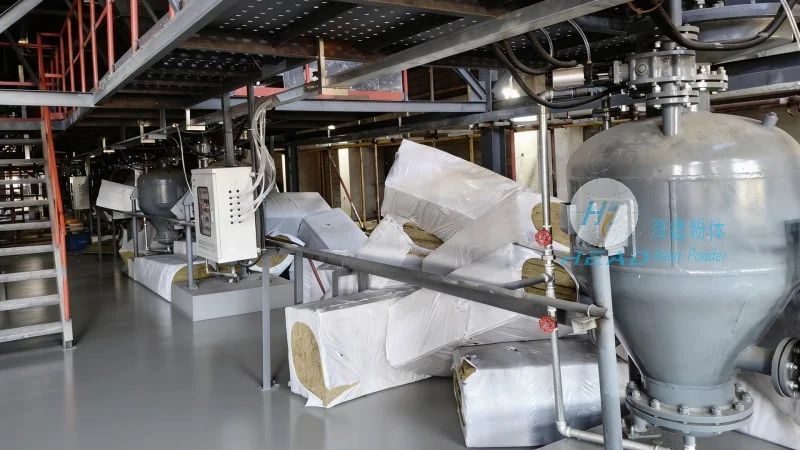
The performance of lithium-ion battery cathode materials is governed by several critical technical parameters that directly impact the battery's energy density, cycle life, and overall safety. These parameters include but are not limited to particle size distribution, surface area, tap density, and moisture content. Particle size distribution is a crucial factor as it influences the material's packing density and electrical conductivity. A well-controlled particle size ensures optimal contact between particles, enhancing the battery's charge and discharge rates. Surface area, often measured by BET surface area, affects the material's capacity and rate capability. Higher surface area can lead to better electrochemical performance but may also increase the risk of side reactions if not properly managed. Tap density, which indicates how densely the material can be packed under a given force, is vital for maximizing the active material in a given volume. This parameter is directly linked to the battery's energy density. Moisture content is another critical parameter, as even trace amounts of water can lead to degradation of the cathode material and reduce battery performance over time. HeadPowder employs stringent quality control measures to ensure that all cathode materials meet the required specifications for these parameters, guaranteeing consistent and reliable performance for end-users.
The Conveying System Process for Lithium-Ion Battery Cathode Materials
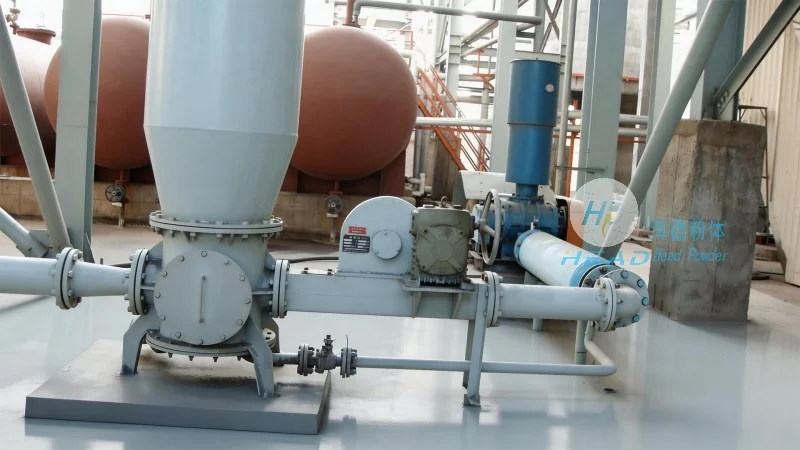
Efficient and safe handling of lithium-ion battery cathode materials is essential to maintain their integrity and prevent contamination. The conveying system process at HeadPowder is designed to address these challenges through a combination of advanced equipment and meticulous operational protocols. The process typically begins with the receipt and inspection of raw materials, where each batch is checked for compliance with the specified technical parameters. Once approved, the materials are transferred to the conveying system, which may include pneumatic conveying, screw conveyors, or belt conveyors, depending on the material's properties and the required handling capacity. Pneumatic conveying systems are commonly used for fine powders, as they can transport materials over long distances with minimal contamination. These systems utilize air pressure to move the powder through a network of pipes, ensuring a clean and controlled environment. Screw conveyors are another option, particularly for bulkier materials, as they provide a continuous and reliable flow. The conveying system is equipped with various components such as hoppers, valves, and filters to regulate the flow and prevent material loss or cross-contamination. Each component is designed to minimize the risk of material degradation and ensure that the cathode materials remain in their optimal state throughout the handling process. HeadPowder's conveying system is also integrated with monitoring and control systems that allow for real-time tracking of material flow and quality. This integration enables immediate adjustments to be made if any deviations from the standard parameters are detected, ensuring that the final product meets the highest quality standards.
Quality Assurance and Process Optimization at HeadPowder
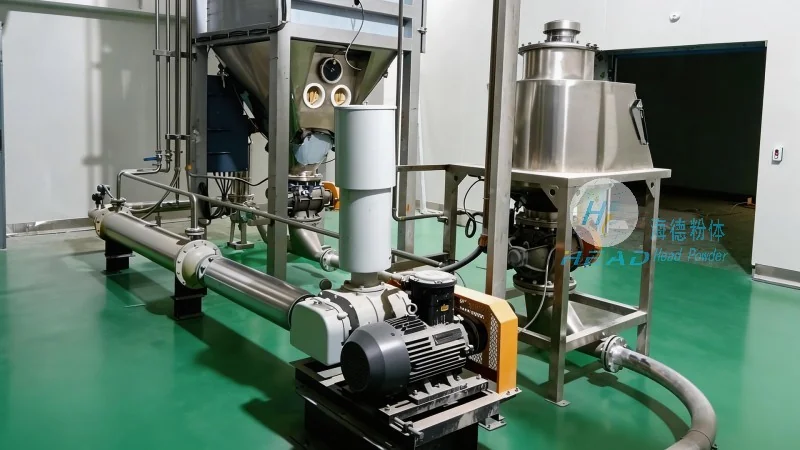
At HeadPowder, quality assurance is a top priority, and the conveying system process is continuously optimized to enhance efficiency and product quality. The company employs a multi-stage quality control approach, starting from raw material inspection and extending through each stage of the conveying process. Each batch of cathode material is tested for key technical parameters, including particle size, surface area, and moisture content, using advanced analytical instruments. The results are compared against predefined specifications, and any batch that fails to meet the standards is rejected or reprocessed. This rigorous testing ensures that only materials that meet the required performance criteria are used in the final product. Additionally, the conveying system is regularly maintained and calibrated to ensure consistent performance. Regular maintenance includes cleaning of components, checking for wear and tear, and replacing parts as needed. Calibration of the system ensures that the flow rates and pressure levels are within the optimal range, preventing any fluctuations that could affect the material's quality. HeadPowder also invests in research and development to improve the conveying system process. The company collaborates with academic institutions and industry partners to develop new technologies and methodologies that enhance the efficiency and safety of material handling. These innovations include the use of advanced sensors and automation systems to monitor and control the conveying process in real time. By continuously optimizing the process, HeadPowder aims to provide its customers with cathode materials that not only meet but exceed industry standards, ensuring the reliability and performance of lithium-ion batteries.




