HeadPowder, or Shandong HeadPowder Engineering Co., Ltd., is a professional manufacturer specializing in refractory material conveying solutions. The company is based in Shandong, China, and has established itself as a reliable partner for industries requiring efficient and reliable material handling systems.
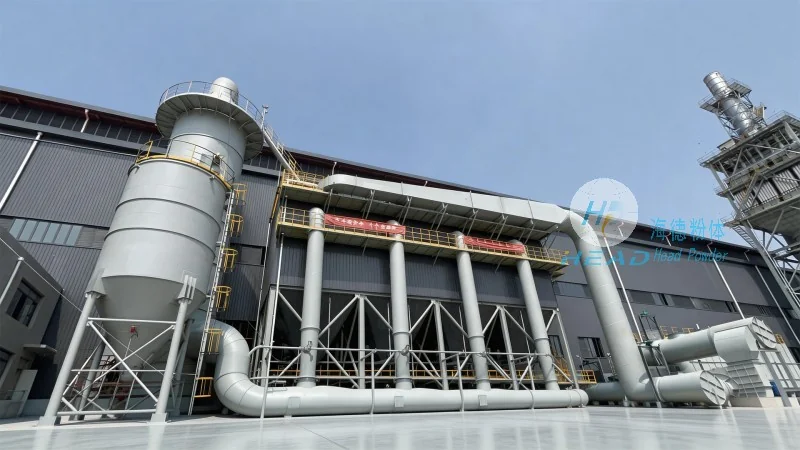
Common Methods for Refractory Material Conveying
When it comes to transporting refractory materials, several methods are commonly employed to ensure efficiency, safety, and durability. These methods are tailored to the specific characteristics of the materials being handled, such as their bulk density, moisture content, and particle size. The primary goal is to minimize material degradation and maximize operational efficiency. Here are some of the most common ways to convey refractory materials:
Mechanical Conveying Systems
One of the most widely used methods for refractory material conveying is mechanical systems, which rely on physical force to move materials. The spiral conveyor is a popular choice for vertical or inclined transport, as it uses a rotating helical screw to push the material forward. This system is particularly effective for handling fine or powdery refractory materials, as it prevents segregation and maintains material integrity. Another common mechanical option is the belt conveyor, which uses a continuous belt to carry materials over long distances. Belt conveyors are ideal for bulk handling and can be customized with heavy-duty belts to resist abrasion and high temperatures, making them suitable for heavy-duty industrial applications.
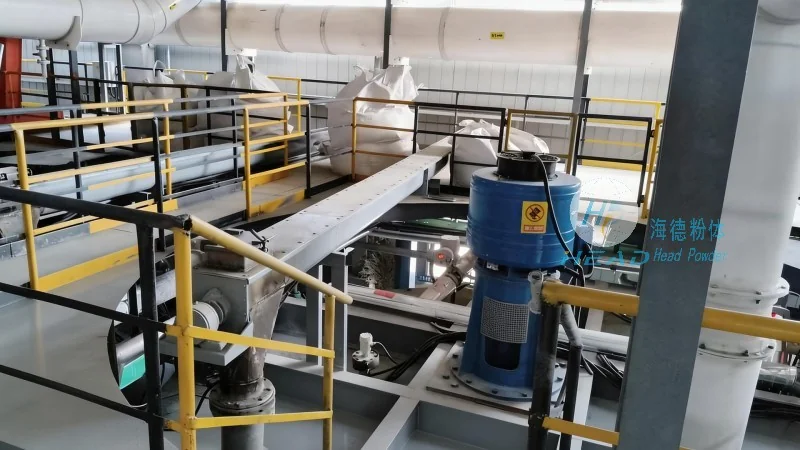
Pneumatic Conveying Systems
Pneumatic conveying, or air-powered systems, is another common method for transporting refractory materials. This approach uses compressed air to move materials through a pipeline, typically involving a hopper, a rotary valve, and a series of ducts. The refractory material is fed into the hopper and then released into the ducts, where it is carried by the air flow. Pneumatic conveying is especially useful for materials that are dusty or have a high risk of caking, as it prevents material buildup and reduces the need for manual handling. This method is effective for medium to long-distance transport within a facility and can be integrated with other processing equipment for a seamless workflow.
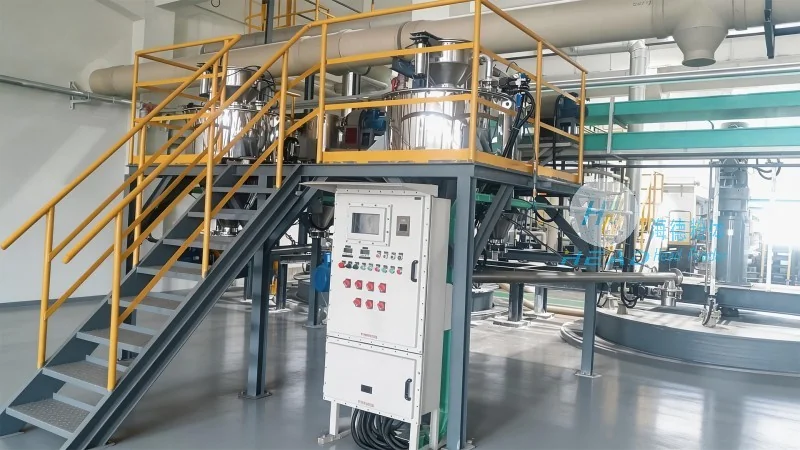
Gravity Conveying Systems
Gravity conveying systems utilize the natural force of gravity to move materials from a higher to a lower elevation. These systems often involve chutes or inclined planes that allow the material to slide down. Gravity conveying is a simple and low-cost method, making it suitable for short-distance transport within a plant. However, it is limited by the need for a suitable slope and is not suitable for vertical transport or materials that are prone to segregation. For applications where gravity is the primary force, the system is designed with smooth, non-stick surfaces to prevent material adhesion and ensure consistent flow.
Hydraulic Conveying Systems
Although less common for refractory materials, hydraulic conveying systems can be used in specialized applications. These systems use fluid pressure to move materials through pipes, providing precise control over the flow rate. The main advantage of hydraulic conveying is its ability to handle high-viscosity materials and maintain a consistent flow, which is beneficial for certain refractory processes. However, hydraulic systems require more maintenance and are generally more expensive than mechanical or pneumatic systems. They are typically used in industrial settings where other methods are not feasible, such as in high-temperature environments where mechanical parts might wear out quickly.




