Continuous powder handling systems are specialized equipment designed to transport bulk powders in a seamless, uninterrupted manner. These systems are essential in various industrial applications, including pharmaceuticals, food processing, and chemical manufacturing, where the efficient and safe movement of powders is critical. The core of such systems lies in their ability to maintain a consistent flow of material, minimizing downtime and ensuring process reliability.
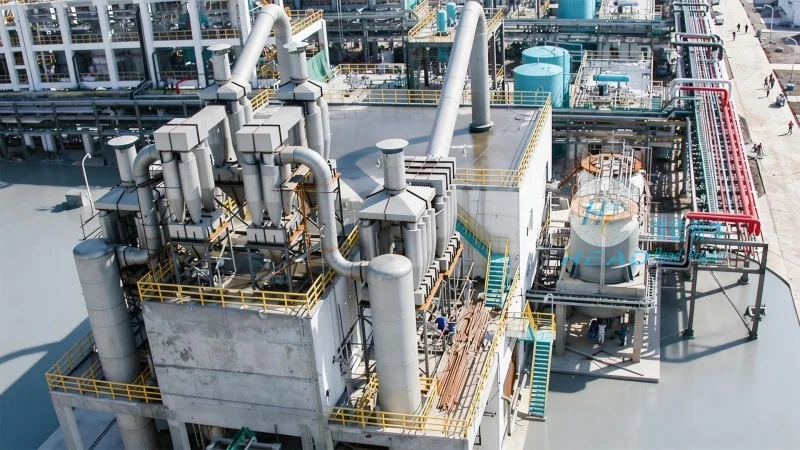
Understanding Continuous Powder Handling Systems
A continuous powder handling system, often referred to as a bulk material handling system, is a collection of components engineered to move powders from a source to a destination without the need for manual intervention or batch processing. The system typically includes feeders, conveyors, and control mechanisms that work in tandem to achieve a steady flow. This approach is particularly advantageous in industries where material consistency and process efficiency are paramount.
The Design Principles Behind Continuous Powder Handling Systems
The design of a continuous powder handling system is governed by several key principles aimed at optimizing performance, safety, and reliability. One of the fundamental principles is the maintenance of a consistent material flow rate. This is achieved through precise control of feed rates, which is critical for processes that require uniform powder characteristics. The system must also account for the physical properties of the powder, such as particle size, density, and flowability, to ensure smooth operation and prevent issues like clogging or segregation.
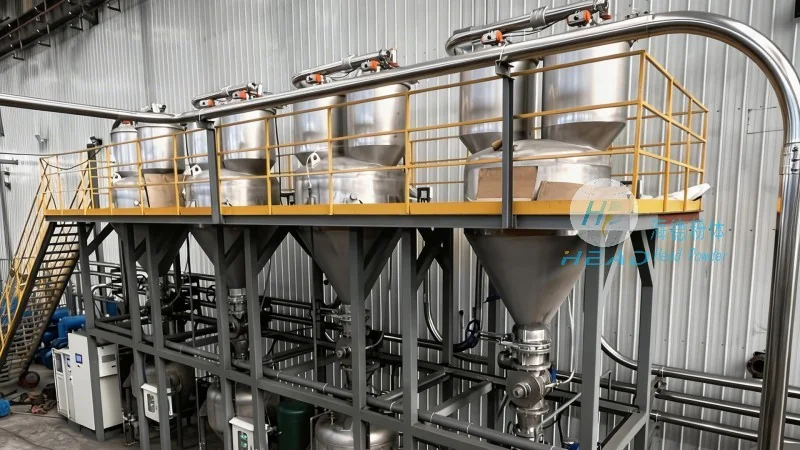
Another critical design principle is the integration of safety features. Continuous powder handling systems often operate in environments where dust explosions or material blockages pose risks. Therefore, designs incorporate explosion-proof components, dust collection systems, and emergency shut-off mechanisms to mitigate these hazards. Additionally, the system's design must consider the need for easy maintenance and cleaning, as powders can adhere to surfaces and require regular upkeep to maintain efficiency.
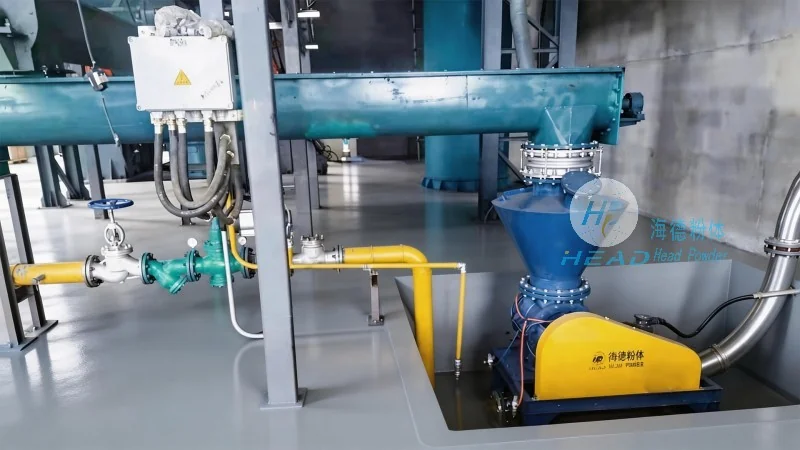
Key Components of a Continuous Powder Handling System
At the heart of a continuous powder handling system are several key components that work together to achieve the desired outcome. The primary components include feeders, which regulate the flow of powder from a storage silo or hopper; conveyors, such as pneumatic or mechanical systems, that transport the powder to the processing or packaging area; and control units that monitor and adjust the system's operation based on real-time data. Each component is carefully selected and integrated to ensure the system operates efficiently and reliably.
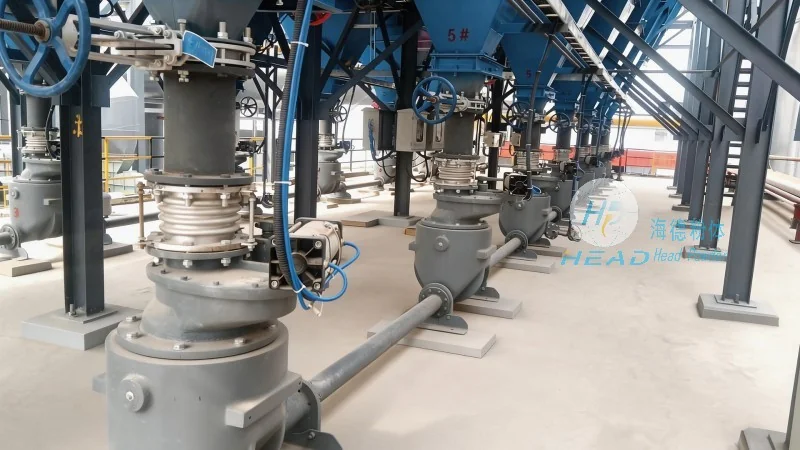
Applications and Benefits of Continuous Powder Handling Systems
Continuous powder handling systems find widespread application in industries where the handling of bulk powders is a daily operation. In the pharmaceutical industry, for example, these systems are used to transport active pharmaceutical ingredients (APIs) and excipients with high precision, ensuring that the final product meets stringent quality standards. In food processing, they are employed to move ingredients like flour, sugar, and spices, maintaining product integrity and consistency. The benefits of such systems extend beyond efficiency, as they also reduce labor costs, minimize material waste, and enhance overall process safety.
Conclusion
Continuous powder handling systems represent a sophisticated solution to the challenges of bulk material transport. By adhering to design principles that prioritize consistency, safety, and reliability, these systems enable industries to operate more efficiently and sustainably. As technology advances, continuous powder handling systems continue to evolve, incorporating advanced control systems and materials to meet the growing demands of modern manufacturing. For businesses seeking to optimize their powder handling processes, understanding the design and functionality of these systems is essential for achieving operational excellence.




