Limestone powder conveying systems are essential in industrial applications where the efficient transport of limestone powder is required. These systems are designed to handle the unique properties of limestone powder, such as its fine particle size and potential for dust generation. Understanding the equipment and its design principles is crucial for optimizing performance and ensuring safety in operations.
Overview of Limestone Powder Conveying Systems
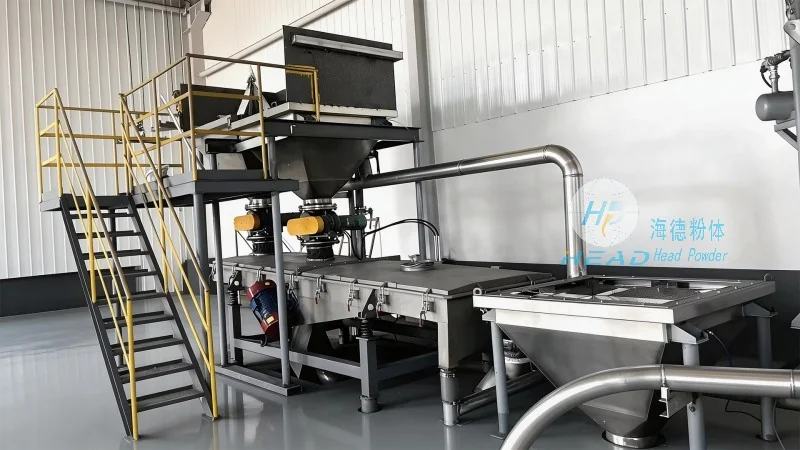
Limestone powder conveying systems are specialized equipment used to transport limestone powder from storage areas to processing units or other destinations. The primary goal of these systems is to move the material in a controlled manner, minimizing dust, ensuring consistent flow, and maintaining operational efficiency. The systems typically consist of several key components, including hoppers, feeders, conveyors, and control systems, all working in tandem to achieve the desired transport results.
Key Components of the Limestone Powder Conveying System
The headpowder limestone powder conveying system equipment includes several critical components that contribute to its functionality. The system begins with a hopper, which serves as the storage and feeding unit for the limestone powder. The hopper is designed to hold a sufficient quantity of material and features a discharge mechanism that controls the flow rate. A feeder, often a rotary or vibratory type, is then used to regulate the material discharge from the hopper into the conveyor. The conveyor itself is the core of the system, responsible for transporting the limestone powder over the required distance. Common conveyor types for this application include pneumatic conveying systems, which use air to move the powder, and mechanical conveyors like belt or screw conveyors. The control system manages the operation of all components, ensuring smooth and safe operation.
Design Principles for Limestone Powder Conveying Systems
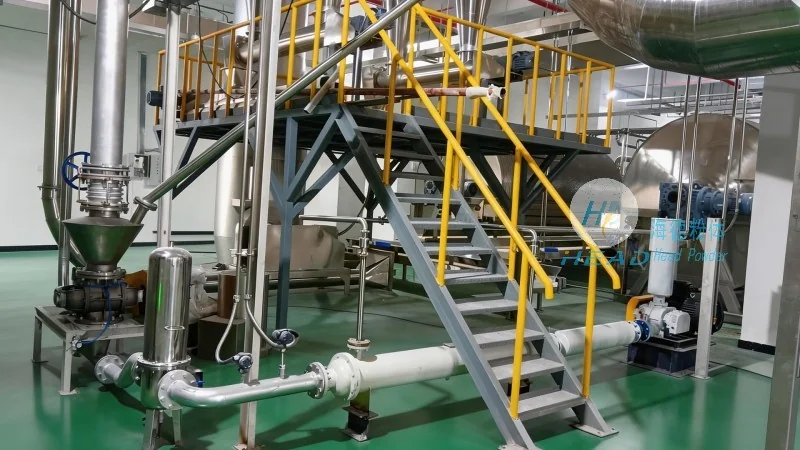
The design of a limestone powder conveying system is based on several key principles that address the material's characteristics and operational requirements. One of the primary considerations is the prevention of dust generation and its associated health and safety risks. The system is designed with dust suppression features, such as sealed hoppers and enclosed conveyors, to minimize dust release. Another critical principle is the maintenance of consistent material flow. This is achieved through precise control of the feeder speed and the conveyor's capacity, ensuring that the limestone powder moves at a uniform rate without clogging or uneven distribution. The system also considers the material's particle size and density, as these factors affect the conveying velocity and the required air pressure in pneumatic systems. The design must ensure that the conveying velocity is sufficient to prevent particle deposition but not so high as to cause excessive wear on the equipment. Additionally, the system is engineered for durability and low maintenance, using materials resistant to the abrasive nature of limestone powder and components that can withstand continuous operation.
Operational Considerations and Safety Measures
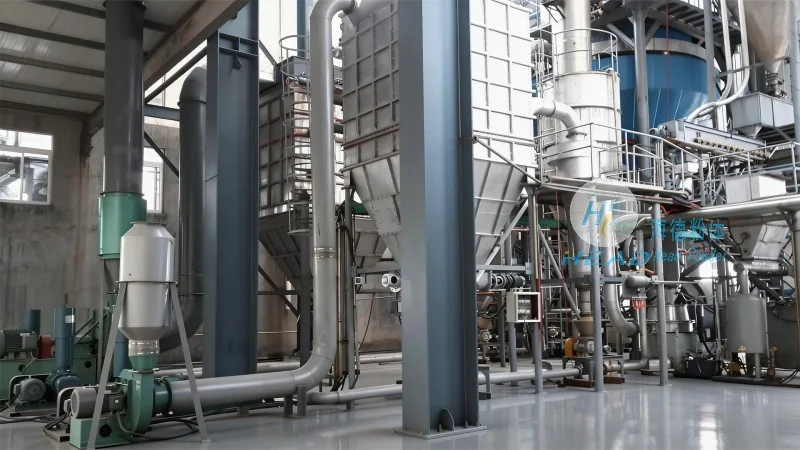
When operating a limestone powder conveying system, several operational considerations and safety measures are essential to ensure optimal performance and worker safety. Regular maintenance is crucial to prevent system failures and maintain efficiency. This includes checking the condition of the hopper, feeder, and conveyor components, as well as the performance of the control system. The system should be equipped with safety features such as emergency stop buttons and dust collection systems to mitigate risks. Additionally, the system's design incorporates measures to handle variations in material feed, such as changes in moisture content or particle size, which can affect the conveying process. The control system is programmed to adapt to these variations, maintaining consistent operation. Proper training of operators is also vital to ensure they understand the system's operation and can respond to any issues that may arise.
Applications and Benefits of Limestone Powder Conveying Systems
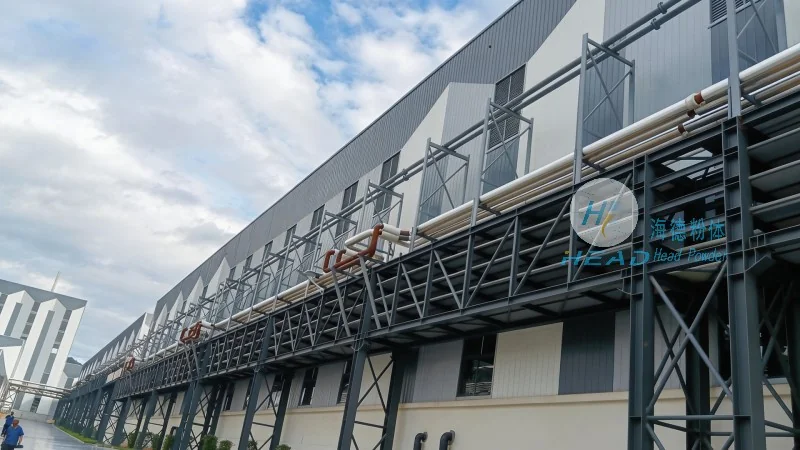
Limestone powder conveying systems are widely used in various industries, including cement production, chemical manufacturing, and mining. In cement production, these systems are used to transport limestone powder to the kiln, where it is processed into clinker. The efficient transport of limestone is critical to the overall production process, as it directly impacts the quality and output of the cement. In chemical manufacturing, limestone powder is used as a raw material in the production of calcium compounds, and the conveying system ensures a steady supply of the material to the processing units. The benefits of using a well-designed limestone powder conveying system include improved operational efficiency, reduced downtime, and enhanced safety. The system's ability to handle the material's unique properties, such as its fine particle size and dust generation potential, results in a more reliable and cost-effective solution for industrial applications.
Conclusion
In conclusion, limestone powder conveying systems are sophisticated equipment designed to efficiently transport limestone powder while addressing the material's specific characteristics and operational requirements. The design principles, including dust suppression, consistent flow control, and durability, ensure that the system operates reliably and safely. The components of the system, such as hoppers, feeders, and conveyors, work together to achieve the desired transport results. With proper maintenance and operational practices, these systems provide significant benefits to industrial applications, contributing to improved productivity and safety. The Shandong HeadPowder Engineering Co., Ltd. specializes in the design and manufacturing of such systems, providing customized solutions tailored to the specific needs of clients in China.




