HeadPowder, a leading engineering firm based in Shandong, China, specializes in the design and implementation of advanced material handling systems. Among the various applications, the efficient and reliable transport of lime through pneumatic conveying systems is a critical challenge in industrial processes. This article provides a detailed comparison between positive pressure and negative pressure conveying methods, highlighting their respective advantages, disadvantages, and practical applications in the lime industry.
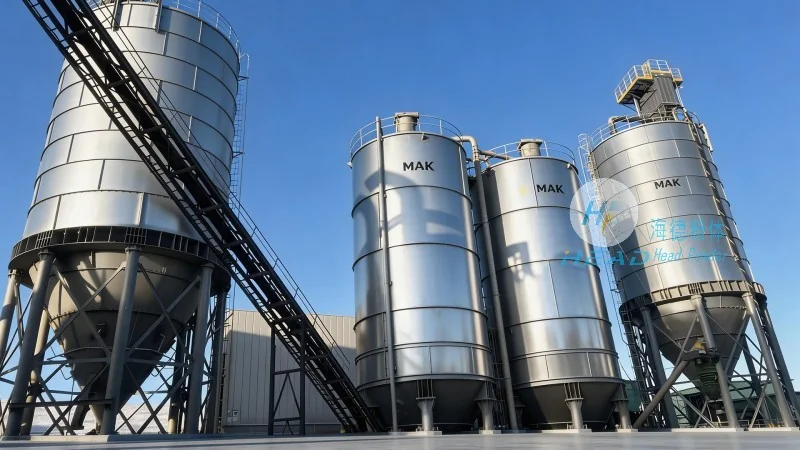
Lime, a versatile industrial material used in manufacturing, construction, and environmental applications, often requires specialized handling due to its abrasive nature and potential health hazards. Pneumatic conveying offers a solution by transporting bulk materials through a pipeline using air or gas as the medium. The two primary methods—positive pressure and negative pressure—differ significantly in their operational principles and suitability for lime transport.
Understanding Positive Pressure Conveying
Positive pressure conveying, also known as pressure pneumatic conveying, operates by blowing air or gas into the conveying line under pressure. The material is drawn into the system by the moving air stream, which propels it through the pipeline. This method is particularly effective for transporting materials over long distances and through complex network configurations. In the context of lime, positive pressure systems are often preferred for applications requiring high material throughput and the ability to handle abrasive or dusty materials.
Key advantages of positive pressure conveying include its ability to handle high material loads, maintain consistent flow rates, and transport materials through vertical lifts and horizontal bends with minimal pressure drop. The system is also relatively simple to install and maintain, as it does not require complex vacuum equipment. However, it has notable drawbacks, such as higher energy consumption due to the continuous operation of the blower and the potential for material degradation if the air velocity is too high, leading to increased wear on equipment and higher maintenance costs.
Exploring Negative Pressure Conveying
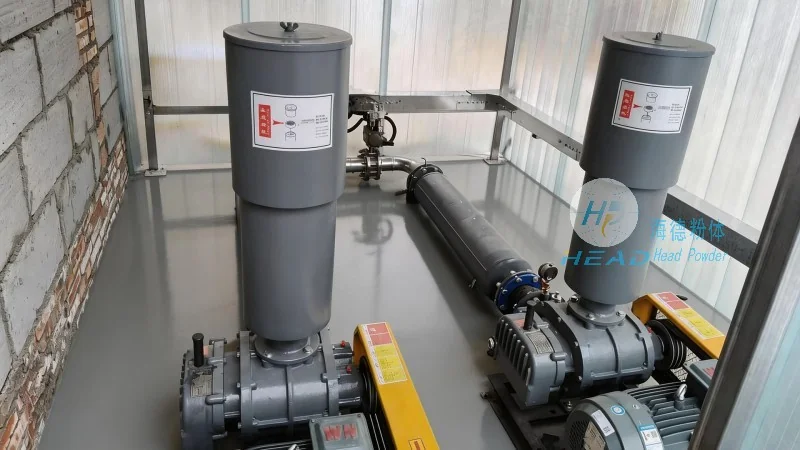
Negative pressure conveying, or vacuum pneumatic conveying, works by creating a vacuum in the conveying line, which draws the material into the system. The material is then transported by the air stream moving from the high-pressure (atmospheric) side to the low-pressure (vacuum) side. This method is commonly used for short to medium-distance transport and is particularly suitable for applications where the material is to be collected from multiple points or transferred from a lower elevation to a higher one.
One of the primary benefits of negative pressure conveying is its lower energy consumption compared to positive pressure systems, as the vacuum is generated by a relatively small and efficient vacuum pump. This makes it more cost-effective for applications with lower material throughput. Additionally, the system is less likely to cause dust emissions at the inlet, as the material is drawn into the line rather than being forced out. However, negative pressure conveying has limitations, including lower material capacity, reduced efficiency over long distances, and the need for careful design to prevent blockages and ensure consistent flow.
Comparative Analysis: Positive vs. Negative Pressure Conveying for Lime
When evaluating the suitability of positive versus negative pressure conveying for lime transport, several factors must be considered. The choice between the two methods depends on the specific application requirements, including the distance of transport, the material's characteristics, the required throughput, and the available infrastructure.
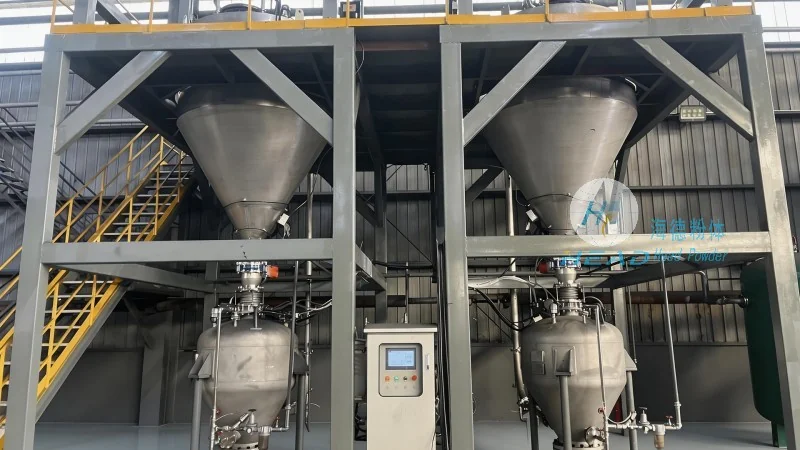
For long-distance or complex pipeline networks, positive pressure conveying is generally more efficient. It can handle higher material loads and maintain consistent flow rates, making it ideal for large-scale industrial operations where lime is transported from storage silos to processing plants over several kilometers. The robust design of positive pressure systems also makes them more suitable for abrasive lime, which can cause significant wear on equipment if not properly managed.
Conversely, negative pressure conveying is often preferred for short-distance applications or where the material needs to be collected from multiple sources, such as from a quarry or a storage yard. Its lower energy consumption and reduced dust emissions at the inlet make it a more environmentally friendly option for smaller-scale operations. However, its lower capacity and efficiency over long distances limit its use in large-scale industrial settings.
HeadPowder's Expertise in Lime Conveying Solutions
HeadPowder Engineering Co., Ltd., with its headquarters in Shandong, China, leverages decades of experience in designing and implementing pneumatic conveying systems tailored to the unique needs of the lime industry. The company's engineers work closely with clients to assess their specific requirements, including material characteristics, transport distances, and operational constraints, to recommend the most suitable conveying method.
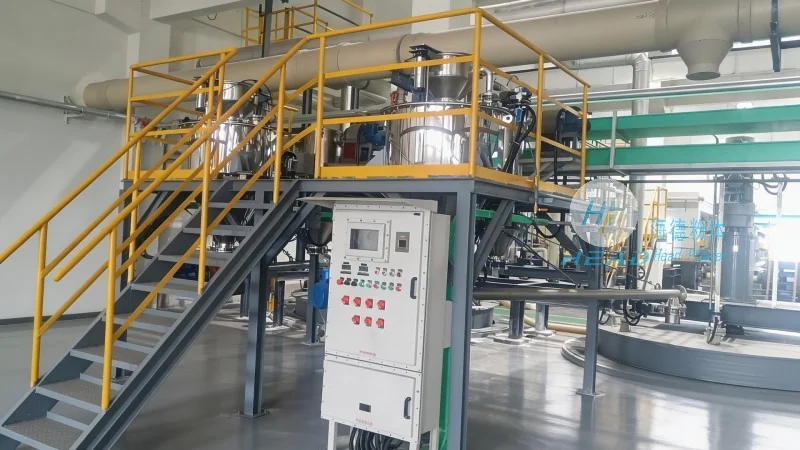
HeadPowder specializes in both positive and negative pressure systems, offering customized solutions that optimize efficiency, reduce energy consumption, and minimize maintenance costs. The company's expertise includes the selection of appropriate blower or vacuum pump systems, the design of pipeline layouts to minimize pressure drop, and the integration of dust control and material handling equipment to ensure safe and reliable operation.
For clients in the lime industry, HeadPowder provides comprehensive services, from initial system design and engineering to installation, commissioning, and ongoing maintenance. The company's commitment to quality and customer satisfaction has made it a trusted partner for businesses seeking to improve their material handling processes and enhance operational efficiency.
By understanding the comparative advantages and limitations of positive and negative pressure conveying, industries can make informed decisions to select the most appropriate method for their lime transport needs. HeadPowder's expertise in this field ensures that clients receive tailored solutions that meet their specific requirements, contributing to improved productivity and reduced operational costs in the long run.




