For industries dealing with Polyvinyl Alcohol Formaldehyde (PVOH), the choice between negative pressure and positive pressure conveying systems in pneumatic transport is a critical decision. PVOH, known for its unique properties in adhesives, coatings, and other applications, requires specialized handling to maintain its quality and prevent degradation during transport. This article provides a detailed comparison of the advantages and disadvantages of negative pressure and positive pressure conveying methods, helping stakeholders make informed choices for their PVOH handling operations.
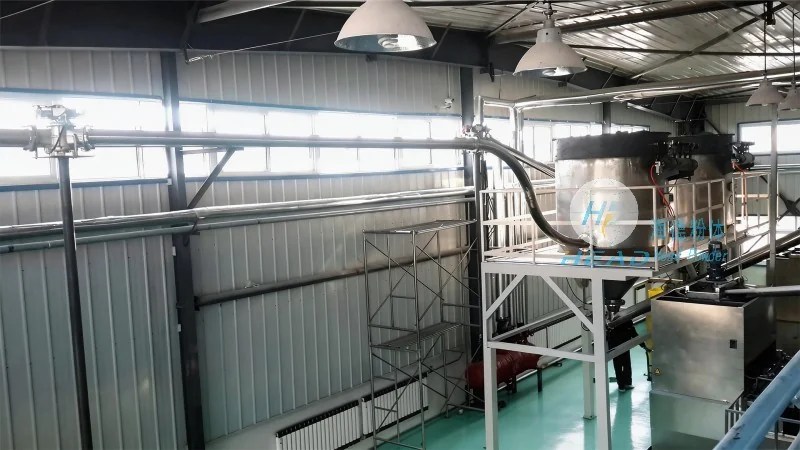
Introduction to PVOH and Pneumatic Conveying
Polyvinyl Alcohol Formaldehyde (PVOH) is a versatile polymer widely used in various industrial sectors due to its excellent film-forming, adhesive, and water-solubility properties. PVOH is often processed in bulk and needs efficient, low-damage transport methods to reach production sites. Pneumatic conveying, which uses air to move solid materials, is a common solution for PVOH transport. However, the pressure type—negative or positive—significantly impacts system design, cost, and operational performance.
Negative Pressure Conveying: Principles and Characteristics
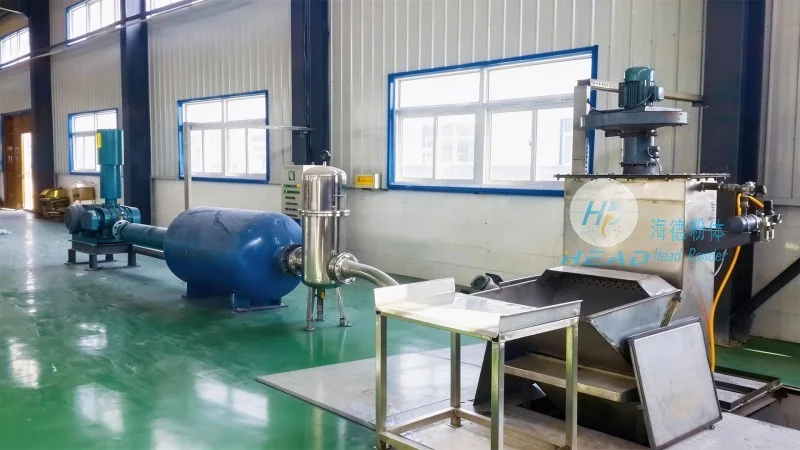
Negative pressure conveying, also known as suction conveying, operates by creating a low-pressure zone at the material pickup point. This draws the PVOH particles into the conveying line using a vacuum pump. The system typically includes a hopper, a rotary valve, a filter, and a vacuum pump. The primary advantage of negative pressure is its ability to handle fine or dusty materials without causing excessive pressure buildup, which can be beneficial for PVOH powders that are prone to agglomeration or dust generation.
One key benefit of negative pressure is its lower initial cost compared to positive pressure systems. The equipment is generally simpler, with fewer moving parts and less complex piping. This reduces installation and maintenance expenses. Additionally, negative pressure systems are often more flexible in terms of layout, as they can draw material from multiple sources without the need for high-pressure pumps. However, they have limitations, such as lower conveying distances and capacity compared to positive pressure systems. The vacuum pump also requires regular maintenance to ensure consistent performance, and the system may be more susceptible to air leaks, which can affect efficiency.
Positive Pressure Conveying: Principles and Characteristics
Positive pressure conveying, or pressure conveying, uses a blower or compressor to generate high-pressure air that pushes PVOH particles through the conveying line. The system typically includes a hopper, a rotary valve, a filter, and a pressure blower. The main advantage of positive pressure is its ability to convey materials over longer distances and at higher capacities. This makes it suitable for large-scale PVOH production facilities where the material needs to be transported from a central storage to multiple processing units. Positive pressure systems also offer better control over the conveying rate and can handle larger particles or bulkier materials without clogging.
Another significant advantage is the higher reliability of positive pressure systems. The blower provides a consistent flow of air, reducing the risk of system failures caused by air leaks. The pressure can be adjusted to match the specific requirements of the PVOH material, ensuring optimal transport conditions. However, positive pressure systems come with higher initial costs due to the need for robust blower units and more complex piping. Maintenance is also more intensive, as the blower and associated components require regular checks to prevent wear and tear. Additionally, positive pressure can cause higher material degradation if not properly controlled, as the high air velocity may lead to particle attrition or heat generation.
Comparative Analysis: Key Factors to Consider
When deciding between negative and positive pressure conveying for PVOH, several factors must be evaluated. The first is the conveying distance and capacity. For short distances and low volumes, negative pressure may be sufficient and cost-effective. For long distances or high throughput, positive pressure is generally more suitable. The material characteristics of PVOH, such as particle size, moisture content, and tendency to agglomerate, also play a role. Fine PVOH powders may perform better with negative pressure to avoid clogging, while larger particles might benefit from positive pressure's higher air velocity.
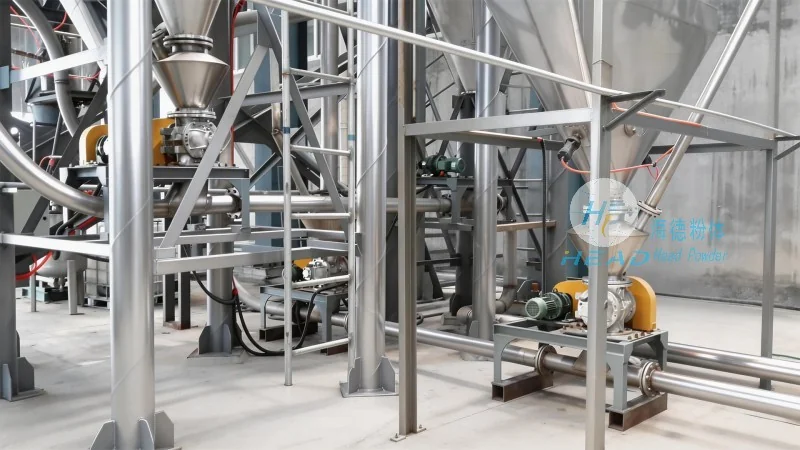
Cost is another critical factor. Negative pressure systems have lower upfront costs and simpler maintenance, making them attractive for smaller operations or budget-conscious projects. Positive pressure systems, while more expensive initially, offer better scalability and can handle larger production volumes, potentially reducing long-term operational costs. Energy consumption is also a consideration. Negative pressure systems may use less energy for short distances but could have higher energy costs due to the vacuum pump's efficiency. Positive pressure systems, especially with high-efficiency blowers, can be more energy-efficient for long-distance transport.
Impact on PVOH Quality and Handling
The choice of conveying system directly affects the quality of PVOH during transport. Negative pressure, with its lower air velocity, minimizes particle attrition and heat generation, preserving the polymer's molecular structure and properties. This is crucial for applications where PVOH's adhesive or film-forming properties are critical. Positive pressure, while effective for bulk transport, may cause some degradation if the air velocity is too high or the system is not properly designed. Proper system design, including the use of filters and pressure control, is essential to mitigate these effects.
Operational flexibility is also important. Negative pressure systems can be easily modified to handle different materials or adjust the conveying rate, making them suitable for batch processing or small-scale production. Positive pressure systems, with their higher capacity, are better suited for continuous production lines. The system's ability to handle variations in PVOH feed rate or quality is another factor. Negative pressure may be more sensitive to feed rate changes, while positive pressure can maintain a consistent flow even with fluctuations.
Case Study: Application in PVOH Production by Shandong HeadPowder Engineering Co., Ltd.
Shandong HeadPowder Engineering Co., Ltd., a leading provider of material handling solutions based in China, has extensive experience in designing and implementing PVOH conveying systems. The company has successfully deployed both negative and positive pressure systems for various PVOH applications. For instance, a client required transporting fine PVOH powders over short distances in a laboratory setting, where a negative pressure system was chosen for its simplicity and cost-effectiveness. The system efficiently handled the material without clogging, maintaining the powder's quality for downstream processing.
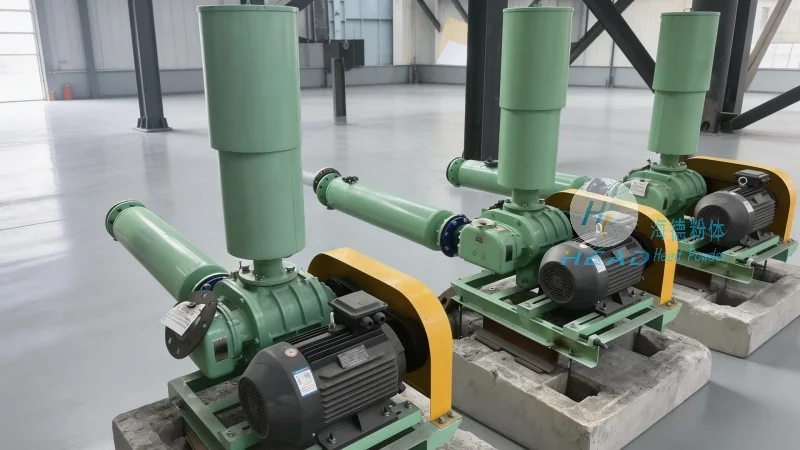
In another project, a large-scale PVOH manufacturing plant needed to transport bulk material over long distances to multiple processing units. Shandong HeadPowder Engineering Co., Ltd. recommended a positive pressure system, which provided the high capacity and reliability required for the operation. The system was designed with robust blowers and efficient filters to ensure consistent performance and minimal material degradation. The client reported improved production efficiency and reduced downtime due to the system's reliability.
Conclusion: Choosing the Right Conveying System for PVOH
Ultimately, the choice between negative and positive pressure conveying for PVOH depends on the specific operational requirements, including distance, capacity, material characteristics, and budget. Negative pressure conveying offers cost-effective and flexible solutions for short-distance, low-volume applications, while positive pressure conveying is ideal for large-scale, long-distance transport with high capacity needs. Understanding the advantages and disadvantages of each system allows industries to optimize their PVOH handling processes, ensuring efficient, reliable, and cost-effective operations.
Shandong HeadPowder Engineering Co., Ltd. continues to provide expert guidance and customized solutions for PVOH pneumatic conveying systems, helping clients achieve their production goals while maintaining the quality of their PVOH products. With a focus on innovation and customer satisfaction, the company remains a trusted partner in the material handling industry.




