Ferric sulfate, a critical chemical compound utilized in water treatment, industrial processes, and various manufacturing applications, demands efficient and reliable material handling solutions. The design of a pneumatic conveying system for ferric sulfate is paramount for ensuring safe, cost-effective, and high-performance material transport. This article details the key considerations, components, and engineering principles involved in developing an optimal pneumatic conveying system tailored for ferric sulfate, presented by Shandong HeadPowder Engineering Co., Ltd., a leading provider in the field.
Key Components of the Pneumatic Conveying System
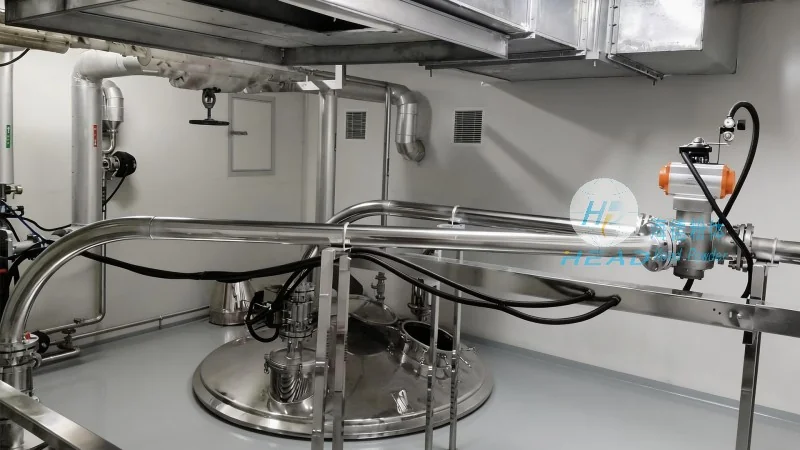
The pneumatic conveying system for ferric sulfate typically comprises several critical components that function in unison to achieve efficient material transport. These include the hopper or storage silo, serving as the primary material source, equipped with a feeding mechanism such as a rotary valve or screw feeder to regulate flow rates. The conveying line, often constructed from stainless steel or other corrosion-resistant materials, is engineered to accommodate the specific properties of ferric sulfate, including its tendency to form clumps or agglomerates. The system may incorporate a series of ducts, bends, and expansion joints to accommodate the material's flow characteristics while minimizing pressure losses. At the discharge end, a receiver or collection hopper is used to store the conveyed material, often fitted with a discharge valve or outlet for downstream processing. Additionally, the system may include a dust collection or filtration unit to ensure compliance with environmental regulations and maintain air quality.
Material Handling Considerations for Ferric Sulfate
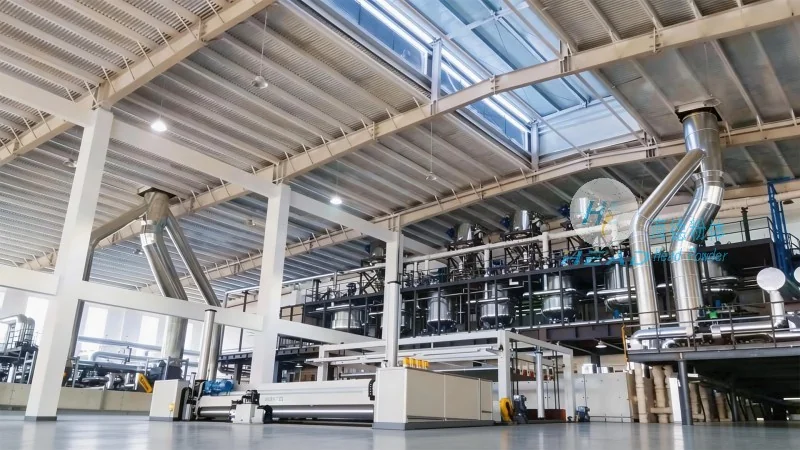
When designing a pneumatic conveying system for ferric sulfate, several material-specific considerations must be addressed to ensure optimal performance. Ferric sulfate is a fine powder with a relatively high density and potential for static charge accumulation, which can affect flow characteristics and system efficiency. The system must be engineered to prevent material buildup or blockages in the conveying line, which could lead to system downtime or equipment damage. This involves selecting appropriate air velocities, pressure levels, and duct diameters to maintain a consistent flow rate and prevent clogging. The use of anti-static measures, such as grounding or ionizing equipment, may also be necessary to mitigate static charge issues. Furthermore, the system must be designed to handle variations in material moisture content or particle size distribution, as these factors can impact the conveying efficiency and require adjustments to the system parameters.
Engineering Design and Customization by HeadPowder
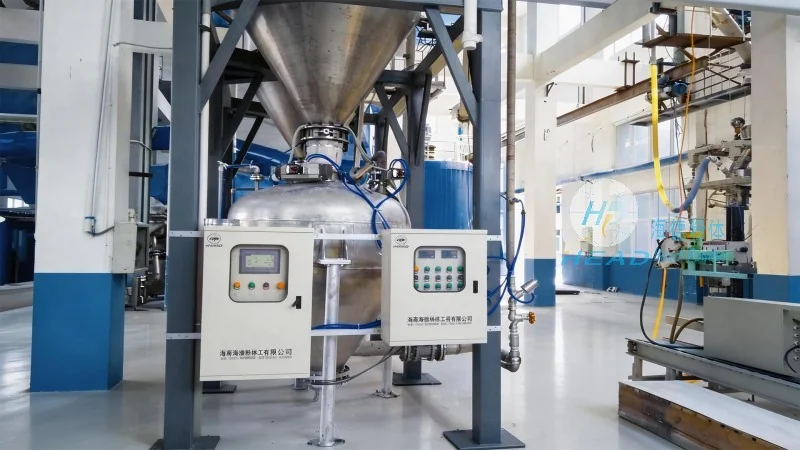
Shandong HeadPowder Engineering Co., Ltd. specializes in the design and manufacturing of customized pneumatic conveying systems tailored to the unique requirements of clients handling ferric sulfate and other bulk materials. The company's engineering team employs advanced computational fluid dynamics (CFD) and material flow analysis techniques to simulate and optimize the system design before actual construction. This approach ensures that the final system meets specific performance criteria, including conveying capacity, pressure drop, and energy efficiency. The system components are manufactured using high-quality materials, such as stainless steel, to withstand the corrosive nature of ferric sulfate and ensure long-term durability. HeadPowder also provides comprehensive installation, commissioning, and maintenance services to ensure the system operates at peak efficiency throughout its lifecycle. The company's commitment to quality and customer satisfaction has made it a trusted partner for industries relying on reliable ferric sulfate handling solutions.
Applications and Benefits of the System
The pneumatic conveying system for ferric sulfate offers numerous benefits for industrial applications, including improved safety, reduced labor costs, and enhanced operational efficiency. By eliminating the need for manual handling of bulk materials, the system minimizes the risk of accidents and exposure to dust, which is particularly important given the potential health hazards associated with ferric sulfate. The automated nature of the system also reduces labor requirements and increases throughput, allowing for higher production rates and better resource utilization. Additionally, the system's ability to transport materials over long distances without the need for intermediate storage or handling points streamlines the overall process and reduces operational costs. The system's flexibility in accommodating varying material flow rates and processing requirements makes it suitable for a wide range of applications, from small-scale laboratory operations to large-scale industrial production lines.
Conclusion
In conclusion, the design of a pneumatic conveying system for ferric sulfate is a complex but essential process that requires careful consideration of material properties, system components, and operational requirements. Shandong HeadPowder Engineering Co., Ltd. provides expert engineering solutions tailored to the specific needs of clients, ensuring the development of efficient, reliable, and cost-effective material handling systems. By leveraging advanced technology and a customer-focused approach, HeadPowder helps industries optimize their ferric sulfate handling processes, enhancing productivity and safety while minimizing operational costs. The company's commitment to quality and innovation continues to drive the development of cutting-edge pneumatic conveying systems that meet the evolving demands of the industrial sector.




