For industrial operations that require the efficient and reliable transport of dry sand, pneumatic conveying systems offer a versatile solution. This article provides an in-depth exploration of the working principles and various classification applications of dry sand pneumatic conveying, highlighting the technology's significance in modern material handling.
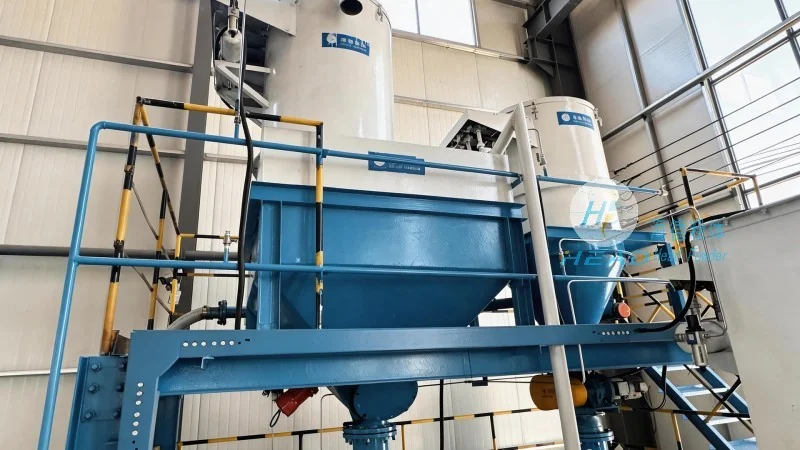
HeadPowder, a leading manufacturer based in Shandong, China, specializes in the design, development, and implementation of advanced pneumatic conveying solutions tailored to the unique needs of the dry sand industry. With a strong commitment to innovation and quality, the company has established itself as a trusted partner for businesses seeking efficient material transport systems.
The core principle of dry sand pneumatic conveying involves the use of compressed air to move dry granular materials like sand through a pipeline system. The process typically operates by creating a pressure differential between the inlet and outlet of the conveying line. As air is introduced into the system, it generates a flow that lifts and propels the dry sand particles through the pipeline. This method eliminates the need for mechanical components such as belts or buckets, reducing maintenance requirements and enhancing operational efficiency.
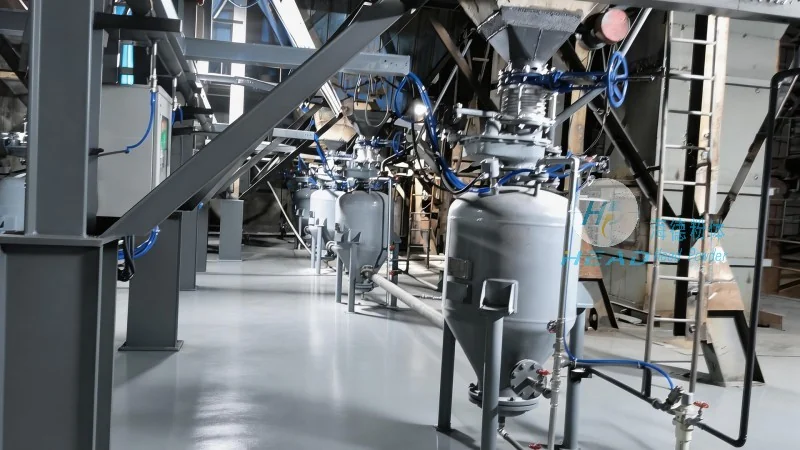
Key components of a dry sand pneumatic conveying system include the material feed hopper, air compressor, conveying pipeline, and discharge unit. The feed hopper ensures a consistent supply of dry sand into the system, while the air compressor generates the necessary pressure to drive the material through the pipeline. The conveying pipeline, often made of durable materials like stainless steel or plastic, is designed to withstand the abrasive nature of dry sand and maintain system integrity. The discharge unit then collects the transported sand at the destination point, completing the material handling process.
There are several classification applications of dry sand pneumatic conveying, each tailored to specific operational requirements. The primary classification is based on the pressure within the conveying system, which can be categorized as low-pressure, medium-pressure, and high-pressure systems. Low-pressure systems typically operate at pressures below 0.5 bar and are suitable for short-distance transport of low-density materials. Medium-pressure systems, operating between 0.5 to 2 bar, are ideal for moderate distances and higher material flow rates. High-pressure systems, exceeding 2 bar, are used for long-distance transport and handling of abrasive or high-density materials like dry sand.
Another classification is based on the conveying method, which includes dilute-phase and dense-phase systems. Dilute-phase pneumatic conveying uses low air-to-material ratios, resulting in a relatively low pressure drop and high material velocity. This method is commonly used for short to medium distances and is effective for transporting dry sand in a fine or medium particle size range. Dense-phase pneumatic conveying, on the other hand, operates at higher air-to-material ratios, creating a slurry-like mixture that moves through the pipeline at a slower velocity. This method is particularly advantageous for long-distance transport, as it reduces the risk of material degradation and ensures a more controlled and stable flow.
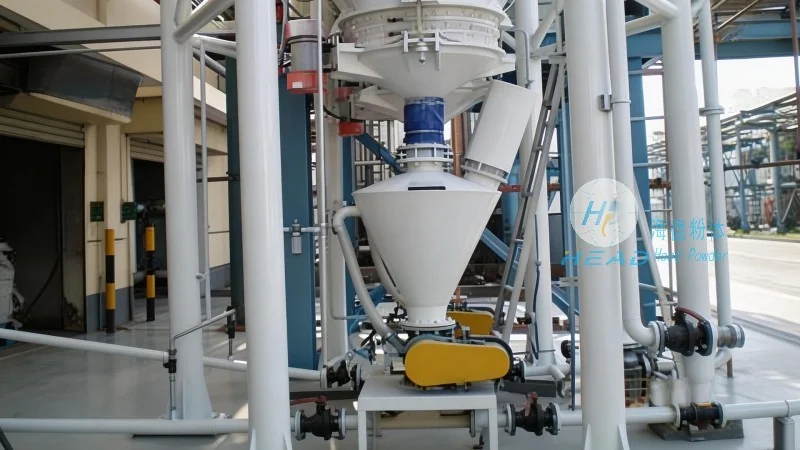
HeadPowder's expertise in dry sand pneumatic conveying extends to customizing systems based on these classifications. For instance, for low-density dry sand with short transport distances, the company may recommend a low-pressure dilute-phase system, which minimizes energy consumption while maintaining efficient material transport. For high-density or abrasive dry sand requiring long-distance transport, a high-pressure dense-phase system may be implemented, ensuring reliable and consistent material handling. The company's engineers work closely with clients to assess operational parameters, such as material characteristics, transport distance, and required flow rates, to design the most suitable pneumatic conveying solution.
The application of dry sand pneumatic conveying spans various industries, including construction, mining, and manufacturing. In the construction sector, dry sand is often used as a raw material for concrete production, and pneumatic conveying systems enable seamless integration of sand from storage silos to batching plants. This reduces material handling time and improves overall production efficiency. In the mining industry, dry sand may be a byproduct of ore processing, and pneumatic conveying facilitates the transport of this material to storage or processing facilities, minimizing the need for manual handling and associated safety risks. The manufacturing industry also benefits from dry sand pneumatic conveying, as it allows for the efficient transport of sand used in foundry processes or as a filler material in various products.
When selecting a dry sand pneumatic conveying system, several factors must be considered to ensure optimal performance. Material properties, such as particle size, density, and abrasiveness, play a critical role in determining the appropriate system configuration. For example, highly abrasive dry sand may require specialized pipeline materials and components to prevent wear and tear. Transport distance and required flow rates are also essential considerations, as they influence the choice between low-pressure and high-pressure systems, as well as dilute-phase and dense-phase methods. Additionally, energy efficiency and maintenance requirements should be evaluated to ensure the system aligns with the operational goals of the business.
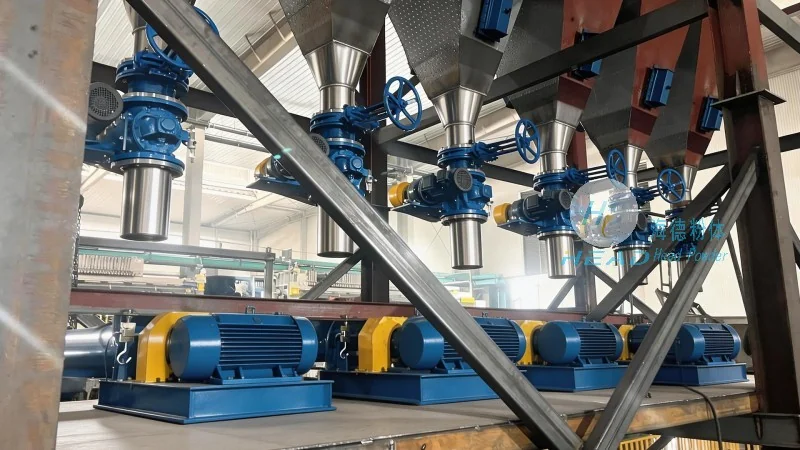
HeadPowder's approach to dry sand pneumatic conveying emphasizes customer-centric solutions that address the unique challenges of each application. By leveraging advanced engineering and years of industry experience, the company provides tailored systems that enhance operational efficiency, reduce downtime, and improve overall material handling capabilities. Whether it's a low-pressure dilute-phase system for short-distance transport or a high-pressure dense-phase system for long-distance handling, HeadPowder ensures that the dry sand is transported safely and reliably, meeting the highest standards of performance and durability.
In conclusion, dry sand pneumatic conveying is a sophisticated and efficient method for transporting dry granular materials, offering significant advantages over traditional mechanical systems. With its ability to handle abrasive materials like dry sand and its flexibility in system design, pneumatic conveying has become an indispensable technology in various industrial sectors. HeadPowder, with its expertise and commitment to quality, continues to lead the way in providing advanced pneumatic conveying solutions that meet the evolving needs of the dry sand industry, ensuring reliable and efficient material transport for businesses worldwide.




