Calcium carbide production processes generate significant amounts of dust and ash, which require efficient and reliable conveying systems to ensure safe handling and environmental compliance. For companies operating in the calcium carbide industry, selecting the appropriate dust and ash transport method is crucial for maintaining operational efficiency and adhering to safety standards. This article explores the common methods used for transporting calcium carbide dust and ash, providing insights into the technical considerations and practical applications of each approach.
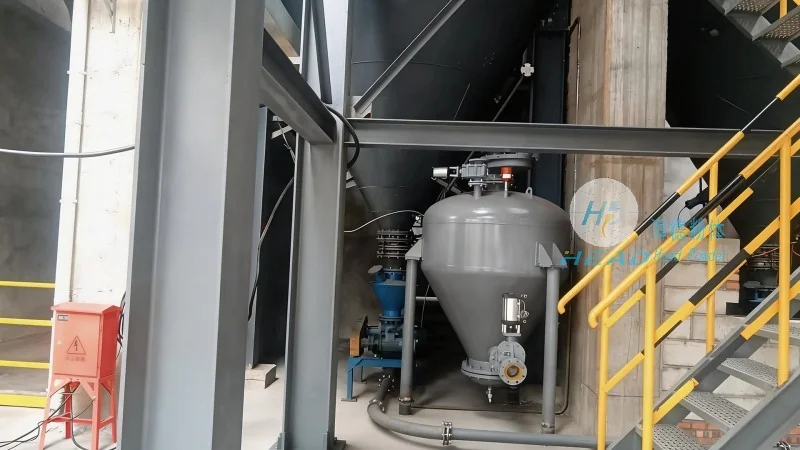
Overview of Calcium Carbide Dust and Ash
Calcium carbide (CaC₂) is produced through the reaction of calcium oxide with carbon in an electric arc furnace. The process generates a fine particulate material known as dust and ash, which can be hazardous if not handled properly. These materials often contain reactive components and may pose health risks if inhaled or come into contact with moisture. Effective dust and ash removal and transport systems are essential to prevent environmental contamination and protect workers' health.
Key Considerations for Dust and Ash Conveying
When selecting a conveying method for calcium carbide dust and ash, several factors must be considered. These include the particle size and moisture content of the material, the distance to be conveyed, the required flow rate, and the need for dust control. Additionally, the system must be compatible with the corrosive or reactive nature of calcium carbide to prevent equipment damage or material degradation. The choice of conveying method also impacts energy consumption, maintenance requirements, and overall system reliability.
Common Conveying Methods for Calcium Carbide Dust and Ash
Several technologies are commonly used to transport calcium carbide dust and ash, each with its own advantages and limitations. The primary methods include pneumatic conveying, mechanical screw conveyors, and vacuum systems. Each approach is suited to different operational conditions and material characteristics.
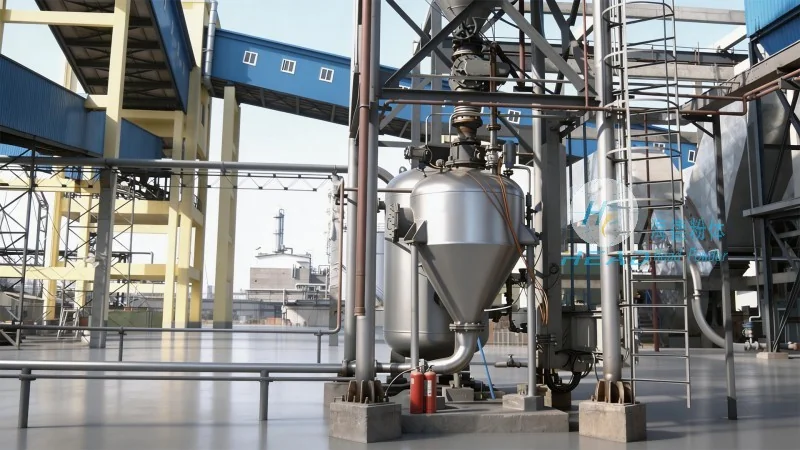
Pneumatic Conveying Systems
Pneumatic conveying uses compressed air or gas to transport particulate materials through a pipeline. This method is particularly effective for calcium carbide dust and ash due to its ability to handle fine particles and maintain a closed system, minimizing dust emissions. There are two main types of pneumatic conveying: pressure and vacuum systems. Pressure systems use positive pressure to push material through the pipeline, while vacuum systems use negative pressure to pull material. For calcium carbide applications, pressure systems are often preferred as they can handle higher flow rates and longer distances without significant pressure loss. The system typically consists of a hopper, a rotary airlock valve, a pipeline, and a receiver. The rotary airlock valve ensures a controlled flow of material into the pipeline, preventing air leakage and maintaining system pressure. The pipeline is usually made of corrosion-resistant materials such as stainless steel or polyethylene to withstand the acidic or reactive nature of calcium carbide. Pneumatic conveying systems offer advantages such as high capacity, low maintenance, and the ability to transport material over long distances. However, they require significant energy input and may experience pressure drop over long runs, which can affect flow rates. Additionally, proper filtration and dust collection are necessary to prevent material buildup and maintain system efficiency.
Mechanical Screw Conveyors
Mechanical screw conveyors, also known as auger conveyors, use a rotating screw to move material through a trough or tube. This method is suitable for transporting bulk materials with moderate to high moisture content and particle sizes. For calcium carbide dust and ash, screw conveyors are often used in conjunction with dust collection systems to prevent material clogging and ensure smooth operation. The screw conveyor consists of a helical screw rotating inside a trough, which moves material from the inlet to the outlet. The trough is typically made of stainless steel or other corrosion-resistant materials to handle the abrasive and reactive properties of calcium carbide. The screw speed and pitch can be adjusted to control the flow rate and prevent material buildup. Mechanical screw conveyors offer advantages such as low energy consumption, simplicity of design, and the ability to operate in vertical or horizontal configurations. However, they may experience clogging with fine or sticky materials and require regular maintenance to prevent wear and tear. Additionally, the system may generate dust during operation, necessitating dust control measures.
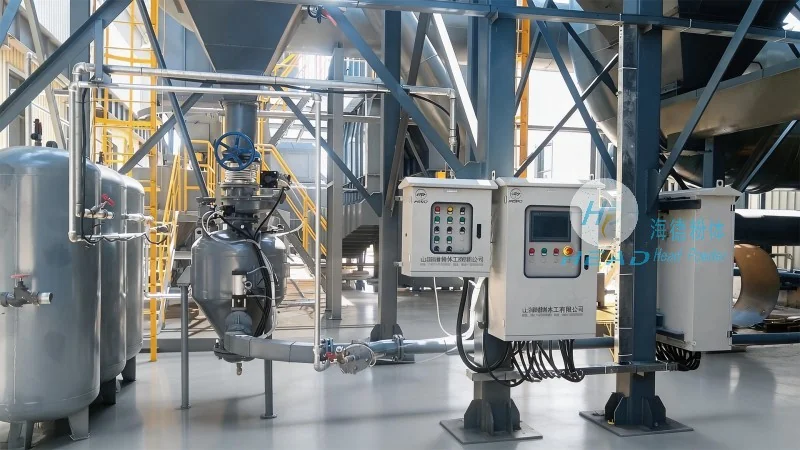
Vacuum Conveying Systems
Vacuum conveying systems use a vacuum pump to create a negative pressure that draws material from a source into a collection container. This method is ideal for applications where the material needs to be transported from multiple points or over short to medium distances. The system typically includes a vacuum pump, a collection hopper, a pipeline, and a discharge valve. The material is drawn into the pipeline by the vacuum, and the air and material mixture is then separated in a filter or cyclone. The filtered air is returned to the system, while the material is collected in the hopper. Vacuum conveying systems are particularly useful for calcium carbide dust and ash because they can handle fine particles and maintain a closed system, reducing dust emissions. The system is often equipped with a filter to capture any airborne particles and prevent contamination. Vacuum conveying offers advantages such as low noise levels, minimal material spillage, and the ability to transport material from multiple sources. However, it may have lower capacity compared to pneumatic systems and may experience pressure drop over longer distances. Additionally, the vacuum pump requires regular maintenance to ensure optimal performance.
Combination Systems
In some cases, a combination of conveying methods may be used to address specific operational needs. For example, a pneumatic system may be used for long-distance transport, while a screw conveyor is used for material transfer to a storage silo. This hybrid approach allows for flexibility and efficiency in handling calcium carbide dust and ash. The combination system typically involves integrating the different components to ensure smooth material flow and minimal downtime. The choice of combination system depends on factors such as the distance to be conveyed, the required flow rate, and the need for dust control. By combining the strengths of different conveying methods, companies can optimize their dust and ash transport processes and improve overall operational performance.
Conclusion
Efficient and reliable transport of calcium carbide dust and ash is essential for maintaining operational efficiency and adhering to safety and environmental standards. The choice of conveying method depends on various factors, including material characteristics, operational requirements, and system constraints. Pneumatic conveying, mechanical screw conveyors, and vacuum systems are the primary methods used, each with its own advantages and limitations. By carefully evaluating these options and selecting the appropriate system, companies can ensure safe and effective handling of calcium carbide dust and ash. Shandong HeadPowder Engineering Co., Ltd., a leading provider of industrial conveying solutions, offers a range of systems tailored to the specific needs of calcium carbide producers. With their expertise in material handling and dust control, HeadPowder provides customized solutions that enhance operational efficiency and ensure compliance with industry standards.




