For industrial applications, the efficient and reliable transport of synthetic rubber is crucial to maintaining production efficiency and product quality. As a leading manufacturer in the field, Shandong HeadPowder Engineering Co., Ltd. specializes in providing advanced solutions for synthetic rubber conveying. This article explores the common methods used in synthetic rubber transport, highlighting the key considerations and benefits of each approach.
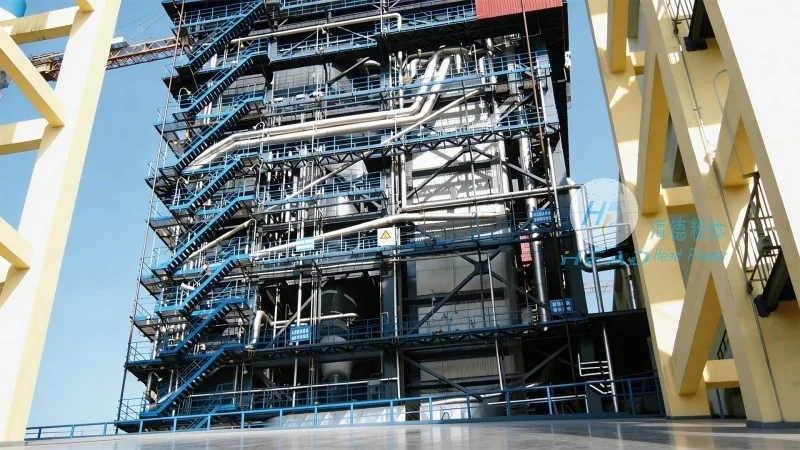
Understanding Synthetic Rubber Conveying
Synthetic rubber, with its diverse properties and applications, requires specialized handling during the conveying process. The choice of conveying method depends on factors such as material characteristics, production scale, and operational environment. Proper selection ensures minimal material degradation, reduced downtime, and enhanced safety in industrial settings.
Common Conveying Methods for Synthetic Rubber
There are several effective methods for conveying synthetic rubber, each tailored to specific operational needs. The primary methods include screw conveyors, belt conveyors, pneumatic conveying systems, and bucket elevators. Each method offers unique advantages and is suitable for different scenarios in industrial production.
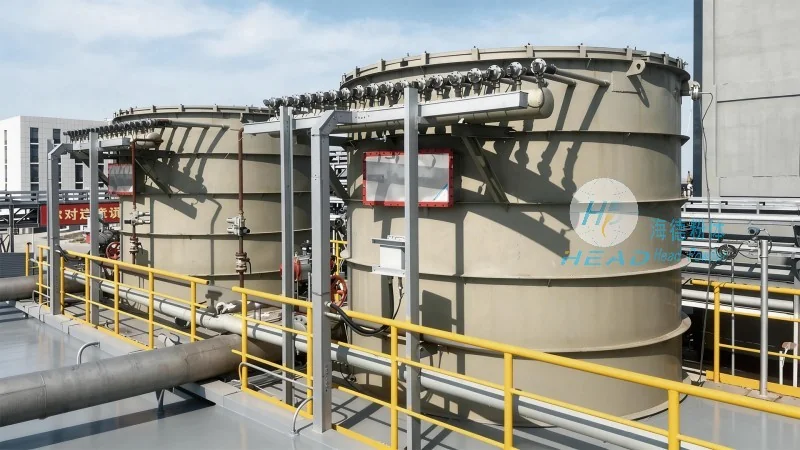
Screw Conveyors for Synthetic Rubber
Screw conveyors are widely used for the horizontal or slight incline transport of synthetic rubber. These systems consist of a rotating screw (helix) inside a trough, which moves material along the conveyor. Screw conveyors are particularly effective for handling bulk synthetic rubber, as they can maintain a consistent flow and minimize material spillage. The design allows for easy integration into existing production lines, making them a popular choice for many manufacturers.
Belt Conveyors for Synthetic Rubber
Belt conveyors are another common method for synthetic rubber transport, especially in applications requiring longer distances or elevated transport. These systems use a continuous belt that moves material from one point to another. Belt conveyors are ideal for transporting synthetic rubber in open or enclosed environments, providing a stable and efficient way to move materials. The flexibility of belt conveyors allows for customization to fit various production requirements, including different speeds and load capacities.
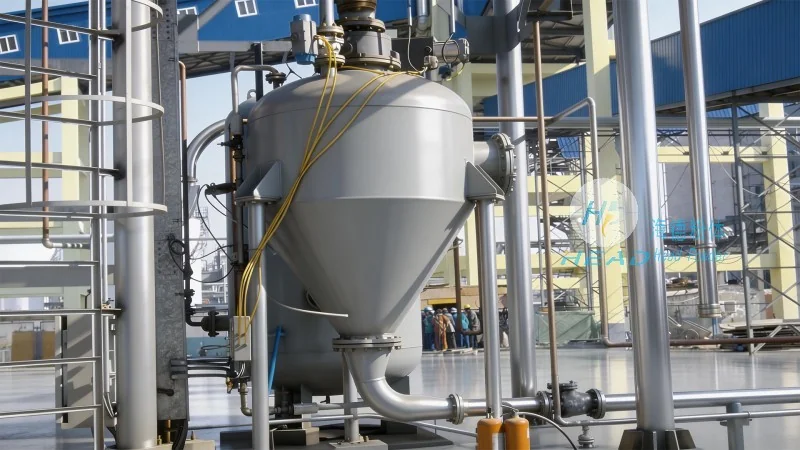
Pneumatic Conveying Systems for Synthetic Rubber
Pneumatic conveying systems utilize air pressure to transport synthetic rubber particles through a pipeline. This method is particularly effective for handling fine or powdery synthetic rubber, as it can move material without direct contact, reducing the risk of contamination or degradation. Pneumatic systems are often used in applications where dust control is critical, such as in food or pharmaceutical industries. The ability to transport material over long distances with minimal maintenance makes pneumatic conveying a reliable option for synthetic rubber transport.
Bucket Elevators for Synthetic Rubber
Bucket elevators are used for vertical or steep incline transport of synthetic rubber. These systems consist of a series of buckets attached to a chain or belt, which moves material upward. Bucket elevators are suitable for applications where vertical transport is necessary, such as in storage silos or processing plants. The design ensures efficient material movement with minimal spillage, making them an effective solution for vertical conveying of synthetic rubber.
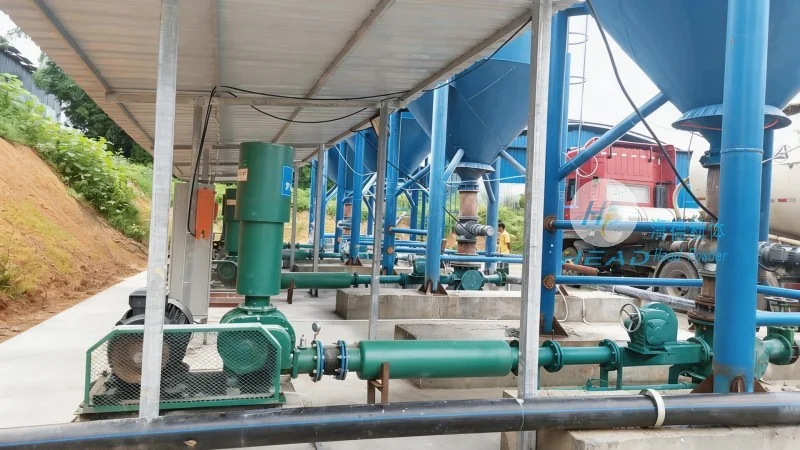
Key Considerations in Synthetic Rubber Conveying
When selecting a conveying method for synthetic rubber, several factors must be considered to ensure optimal performance. Material properties, such as density, moisture content, and abrasiveness, play a significant role in determining the most suitable system. Additionally, the scale of production, operational environment, and budget constraints must be evaluated. Proper maintenance and regular inspections are also essential to maintain the efficiency and longevity of the conveying system.
Conclusion
Shandong HeadPowder Engineering Co., Ltd. offers a range of advanced synthetic rubber conveying solutions tailored to meet the diverse needs of industrial applications. By understanding the common methods and key considerations, manufacturers can choose the most effective conveying system to enhance productivity and ensure product quality. Whether using screw conveyors, belt conveyors, pneumatic systems, or bucket elevators, the right choice depends on specific operational requirements and material characteristics. With expertise in synthetic rubber handling, HeadPowder provides reliable solutions that support efficient production processes.




