Shandong HeadPowder Engineering Co., Ltd., commonly known as headpowder, is a professional manufacturer and supplier of pneumatic conveying systems tailored for wood powder materials. Based in Shandong, China, the company leverages advanced engineering and decades of industry experience to deliver efficient and reliable solutions for the transportation of wood powders in various industrial applications.
Working Principle of Pneumatic Conveying for Wood Powder Materials
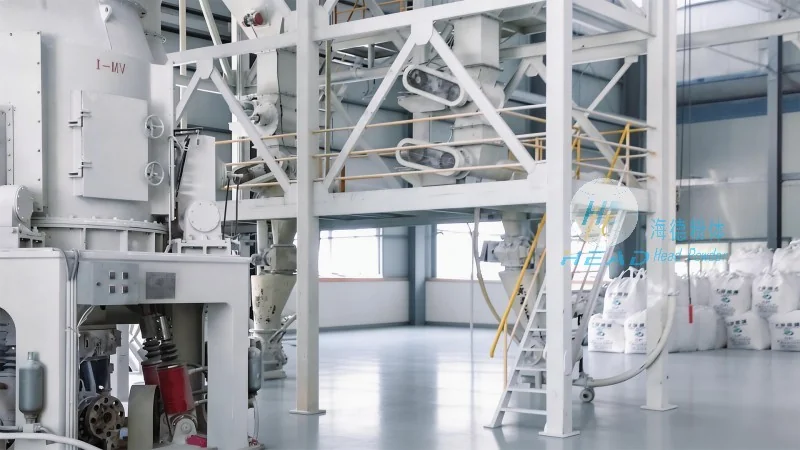
Pneumatic conveying, also known as air conveying, is a method that utilizes compressed air or suction to transport bulk materials like wood powder through a pipeline. The process typically involves two main categories: suction conveying and pressure conveying. For wood powder applications, suction conveying is often preferred due to its ability to draw materials from a source, such as a storage silo or a processing unit, into the conveying line. The system operates by creating a pressure differential between the material source and the destination, where the air flow pulls the wood powder particles along the pipeline. This method is particularly effective for handling wood powders that may be prone to dust generation or require gentle handling to prevent degradation.
In the suction conveying system, a vacuum pump generates a negative pressure at the inlet, drawing the wood powder particles into the pipeline. The air and powder mixture then travels through the pipeline to the discharge point, where the mixture is separated by a cyclone or a filter. The separated air is then released back into the atmosphere, while the wood powder is collected for further processing or storage. This process ensures a continuous and controlled flow of wood powder, minimizing material loss and maintaining product quality.
Key Characteristics of Pneumatic Conveying for Wood Powder Materials
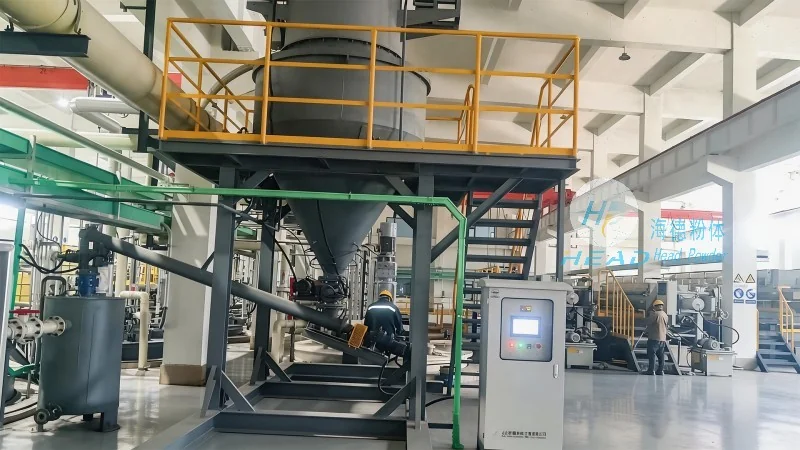
When applied to wood powder materials, pneumatic conveying systems exhibit several distinct characteristics that make them highly suitable for industrial use. Firstly, they offer high efficiency in material transportation, as the entire process is automated and can handle large volumes of wood powder with minimal human intervention. The systems are designed to maintain consistent flow rates, ensuring that production lines operate smoothly without interruptions.
Secondly, pneumatic conveying is known for its environmental benefits. Unlike mechanical conveying methods that may involve moving parts and potential for dust leakage, pneumatic systems operate with enclosed pipelines, reducing the risk of dust contamination and improving workplace safety. This is particularly important for wood powders, which can be a respiratory hazard if not handled properly. The enclosed system also helps in controlling dust emissions, aligning with environmental regulations and promoting a cleaner working environment.
Thirdly, the system is highly adaptable to various wood powder characteristics. Wood powders can vary in particle size, moisture content, and bulk density, and pneumatic conveying systems can be customized to accommodate these variations. For instance, the pipeline diameter and air velocity can be adjusted to optimize the conveying efficiency for different wood powder types. This flexibility allows headpowder to provide tailored solutions that meet the specific needs of each client, whether they are processing sawdust, wood flour, or other wood-derived powders.
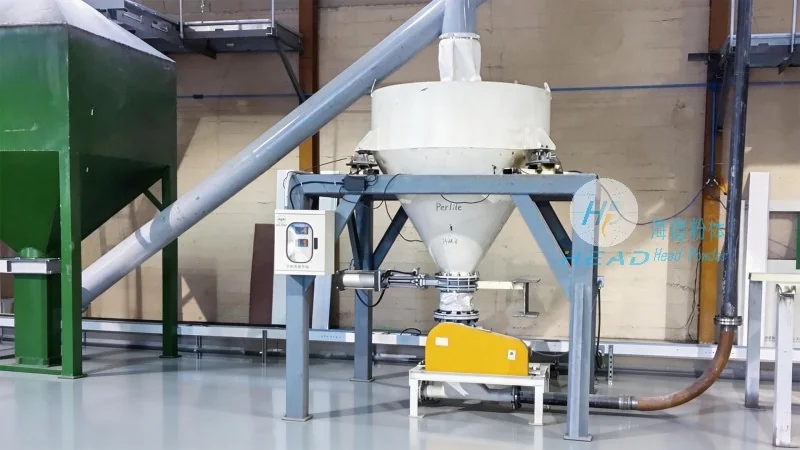
Additionally, pneumatic conveying systems are relatively low in maintenance compared to other bulk material handling methods. The absence of moving parts in the pipeline reduces the risk of mechanical failure and wear, resulting in lower operational costs over the long term. This makes the system economically viable for businesses that require continuous and reliable wood powder transportation.
Application-Specific Benefits for Wood Powder Processing
For industries that rely on wood powders, such as the manufacturing of wood-based panels, composite materials, or animal feed, pneumatic conveying offers several application-specific advantages. In the production of wood-based panels, for example, consistent and high-quality wood powder feed is crucial for achieving uniform panel density and strength. Pneumatic conveying systems ensure that the wood powder is delivered to the mixing or extrusion units in a controlled manner, preventing variations that could affect product quality.
In the production of animal feed, the hygienic handling of wood powders is essential to maintain product safety and compliance with food regulations. Pneumatic conveying systems, with their enclosed pipelines and filtration systems, provide a sanitary environment that minimizes the risk of contamination. This is critical for ensuring that the final animal feed product meets the required standards and is safe for consumption.
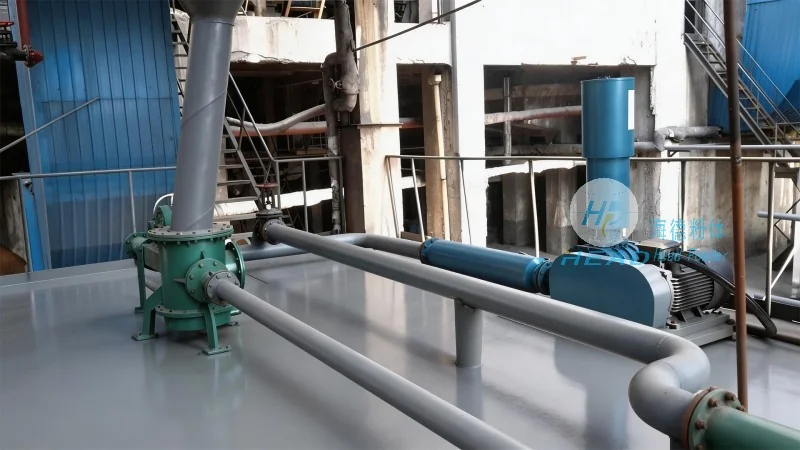
Furthermore, the ability to handle wood powders in a dust-free environment enhances the overall safety of the workplace. By reducing dust exposure, the systems contribute to a healthier working environment for employees, which is a key consideration for modern industrial operations. This not only improves employee well-being but also helps in maintaining a positive corporate image and compliance with occupational health and safety regulations.
Conclusion and Company Expertise
Shandong HeadPowder Engineering Co., Ltd. specializes in providing comprehensive pneumatic conveying solutions for wood powder materials, combining advanced technology with practical engineering to meet the diverse needs of industrial clients. By understanding the unique properties of wood powders and the challenges associated with their handling, headpowder designs systems that are efficient, reliable, and environmentally friendly. The company's commitment to quality and customer satisfaction has made it a trusted partner in the wood processing industry, delivering solutions that enhance productivity and ensure product quality.




