When it comes to managing high-temperature ash in industrial settings, selecting the appropriate dust handling system is critical for efficiency, safety, and operational reliability. Two primary approaches dominate the market: positive pressure systems and negative pressure systems. Understanding the distinctions between these two methods is essential for making an informed decision that aligns with specific operational requirements. This article explores the key differences, technical considerations, and practical applications of positive and negative pressure systems for high-temperature ash handling, providing insights into how to differentiate between them effectively.
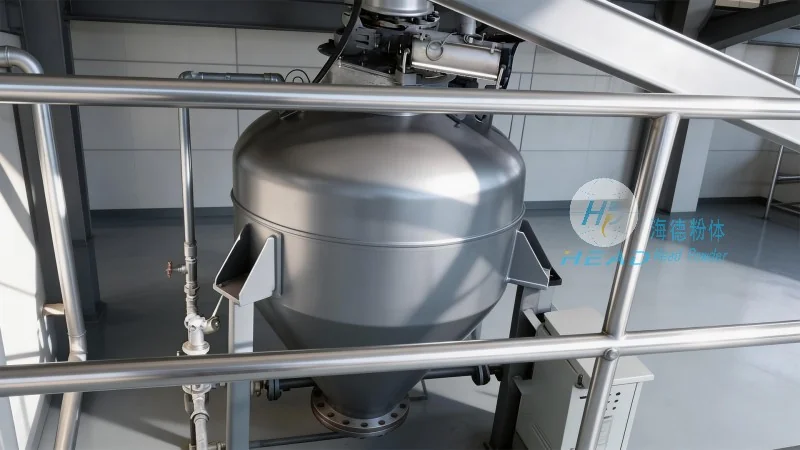
Introduction to High-Temperature Ash Handling Systems
High-temperature ash, often generated from industrial processes such as power generation, cement production, and metal smelting, poses unique challenges due to its heat and abrasive properties. Effective handling requires specialized equipment designed to manage these characteristics while ensuring compliance with environmental regulations and operational safety standards. The choice between positive and negative pressure systems is a fundamental decision that impacts system performance, maintenance costs, and overall longevity.
Understanding the Core Concepts: Positive and Negative Pressure Systems
Positive pressure systems operate by pressurizing the ductwork and equipment, forcing air and ash particles to move through the system. This approach ensures that the system remains under positive pressure, preventing external contaminants from entering. Conversely, negative pressure systems create a slight vacuum in the ductwork, drawing air and ash particles into the system. The fundamental difference lies in the direction of air movement and the pressure dynamics within the system.
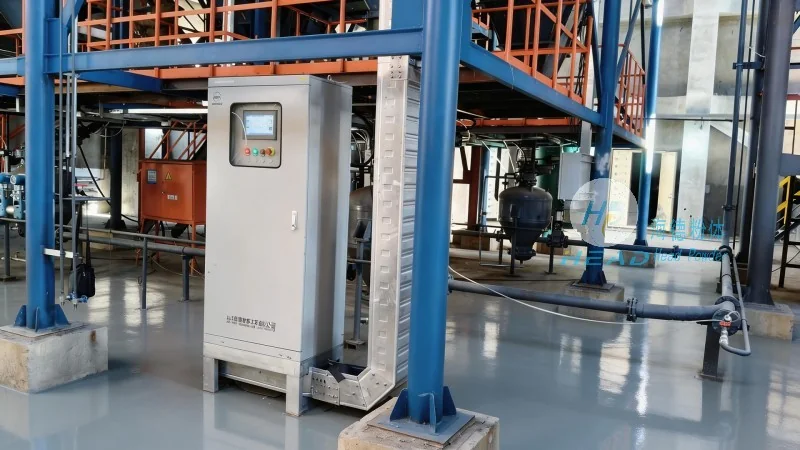
Key Factors Influencing the Choice of Pressure System
The selection between positive and negative pressure systems depends on several critical factors, including the nature of the ash, the system layout, and the specific operational environment. For instance, positive pressure systems are often preferred in applications where the ash is highly abrasive or contains large particulates, as the pressurized environment helps maintain consistent flow and reduces the risk of blockages. Negative pressure systems, on the other hand, are suitable for environments where minimizing noise and vibration is a priority, as the vacuum approach tends to be quieter and less disruptive.
Technical Considerations for Positive Pressure Systems
Positive pressure systems typically utilize blowers or fans to generate the necessary pressure, ensuring that air and ash move through the ductwork efficiently. These systems often require robust components, such as high-quality ducting and seals, to maintain the positive pressure and prevent leaks. The design of positive pressure systems also considers the temperature of the ash, as the equipment must be capable of withstanding high temperatures without degradation. For example, materials like stainless steel or specialized alloys are commonly used to withstand the thermal stresses associated with high-temperature ash handling.
Technical Considerations for Negative Pressure Systems
Negative pressure systems rely on suction to draw ash particles into the system, often using fans or vacuum pumps to create the required vacuum. These systems are generally more compact and may require less space compared to positive pressure systems, making them suitable for installations with limited room. However, negative pressure systems may be more susceptible to clogging if the ash contains large or sticky particulates, as the vacuum can pull debris into the system more easily. Proper filtration and maintenance are crucial to prevent system blockages and ensure consistent performance.
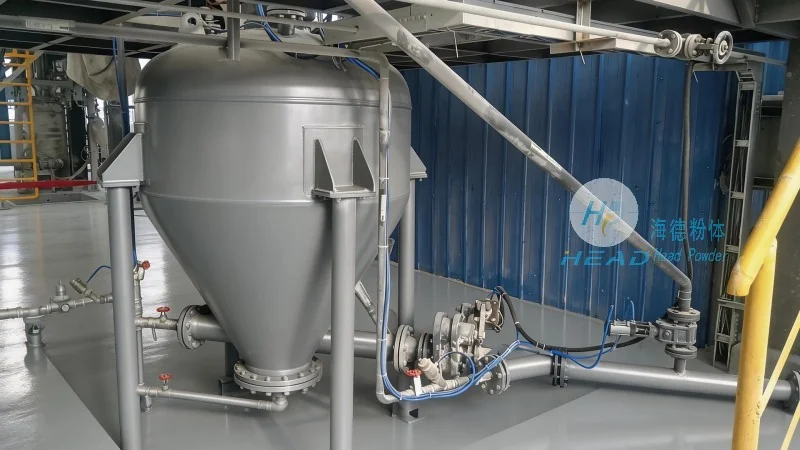
Practical Applications and Case Studies
Real-world applications provide valuable insights into the effectiveness of each system. For instance, a power plant in Shandong, China, using a positive pressure system has reported improved ash flow rates and reduced maintenance costs compared to a previous negative pressure setup. The plant's experience highlights the importance of considering the specific characteristics of the ash, such as its moisture content and particle size, when selecting a system. Conversely, a cement production facility in the same region has successfully implemented a negative pressure system to minimize noise levels and improve worker comfort, demonstrating the flexibility of negative pressure systems in different operational contexts.
Conclusion and Recommendations
Choosing between positive and negative pressure systems for high-temperature ash handling requires a thorough evaluation of operational needs, environmental factors, and technical capabilities. Positive pressure systems offer advantages in handling abrasive or high-temperature ash, while negative pressure systems excel in noise reduction and compact installations. Ultimately, the best choice depends on the specific requirements of the application. For industries seeking reliable and efficient high-temperature ash handling solutions, companies like Shandong HeadPowder Engineering Co., Ltd., based in Shandong, China, provide expert guidance and tailored systems that address the unique challenges of ash management. By understanding the core principles and technical considerations of each system, operators can make informed decisions that enhance operational performance and ensure long-term success.




