In the production of fermented alcoholic beverages such as baijiu, the efficient and hygienic transport of fermentation curd is a critical operational step. The selection between positive pressure and negative pressure conveyance systems directly impacts process efficiency, product quality, and overall operational costs. This article provides a comprehensive overview of the two primary curd transport methods, helping manufacturers make an informed decision tailored to their specific production requirements.
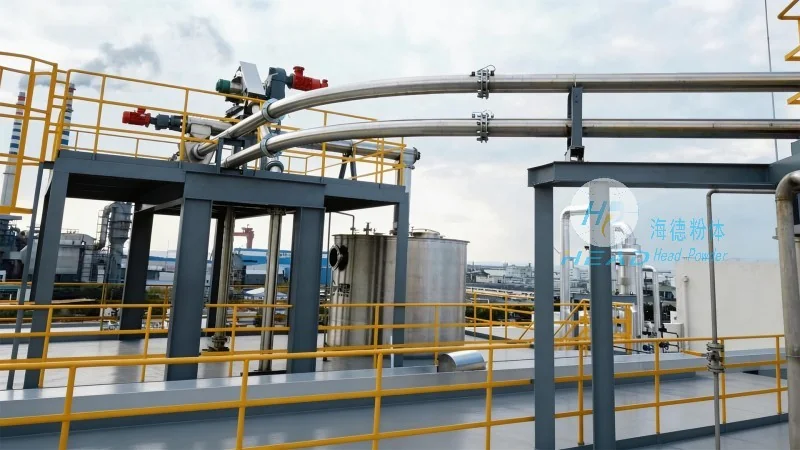
Understanding the Fundamentals of Fermentation Curd Transport
Fermentation curd, also referred to as mash or fermented mash, is the solid residue generated after the fermentation process in alcohol production. Transporting this material necessitates specialized equipment to preserve its integrity and prevent contamination. The two main curd conveyance approaches are positive pressure and negative pressure systems, each operating on distinct principles and suited to different material characteristics.
Positive Pressure Conveyance Systems
Positive pressure systems function by forcing air or a carrier gas through the material being transported. This is achieved using equipment like positive displacement blowers or centrifugal fans that generate a pressure higher than the ambient environment, pushing the curd through pipelines. This method excels in handling abrasive or sticky curds, as it minimizes component wear while ensuring consistent flow. The continuous air flow prevents clogging and maintains a controlled movement of the material. For manufacturers dealing with high-viscosity, wet, or high-density curds, positive pressure systems offer reliable performance and stable throughput.
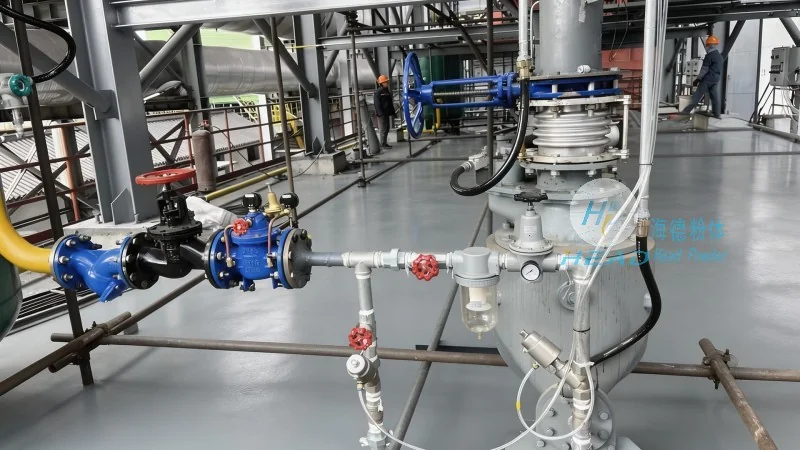
Negative Pressure Conveyance Systems
Negative pressure systems operate by creating a vacuum or lower pressure within the transport line, drawing the curd into the system. This is typically accomplished with vacuum pumps or fans that pull the material from the source. A key advantage of negative pressure is its lower energy consumption compared to positive pressure systems, as it leverages the natural movement of material toward the lower pressure zone. However, it may be less effective with very dry or low-density curds, as the vacuum may lack sufficient force to move the material efficiently. The system is also more prone to clogging if the curd contains large particles or debris.
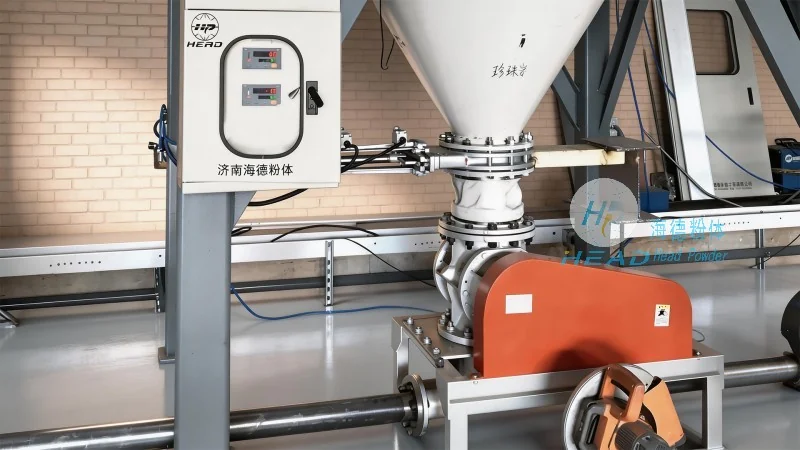
Key Differentiators and Decision-Making Factors
When choosing between positive and negative pressure conveyance for fermentation curd transport, several critical factors must be evaluated. The first is the physical properties of the curd—its moisture content, viscosity, and particle size. Positive pressure is generally preferred for wet, sticky, or high-density curds, while negative pressure may be more suitable for drier, lighter materials. Operational costs are another decisive factor; negative pressure systems typically consume less energy but may require more maintenance due to vacuum components. Additionally, the scale of production and facility layout influence the choice. Large-scale operations with long transport distances may benefit from positive pressure systems for their consistent performance, whereas smaller facilities with shorter pipelines might opt for negative pressure to reduce energy expenses.
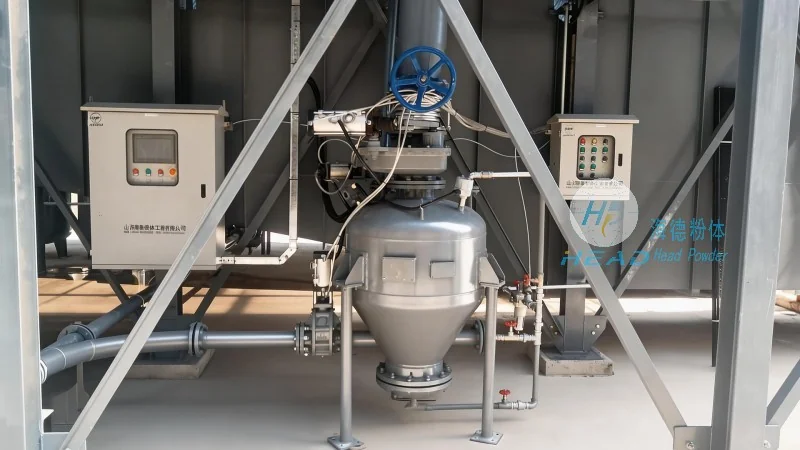
Shandong HeadPowder Engineering Co., Ltd., a leading provider of industrial conveyance solutions, offers customized curd transport systems designed to meet the diverse needs of the alcohol industry. With extensive experience in designing and manufacturing equipment for fermentation processes, HeadPowder ensures their systems withstand harsh curd handling conditions while maintaining hygiene standards. The company’s expertise in both positive and negative pressure technologies allows them to recommend the most appropriate solution for each client's unique requirements, whether optimizing production efficiency or minimizing operational costs.
By understanding the fundamental differences between positive and negative pressure conveyance systems, manufacturers can make a well-informed choice aligned with their production goals. Whether prioritizing reliability, energy efficiency, or cost-effectiveness, the right curd transport method can significantly enhance the overall performance of the fermentation process. Shandong HeadPowder Engineering Co., Ltd. remains committed to delivering innovative and reliable solutions to support the growth and success of the alcohol production sector.




