Ammonium sulfate is a widely used chemical fertilizer and industrial raw material, and its efficient transportation is crucial for the smooth operation of production lines. Pneumatic conveying technology offers a reliable solution for handling ammonium sulfate, combining advantages such as low energy consumption, high transport efficiency, and the ability to handle dusty materials. This article introduces the principles, applications, and future trends of ammonium sulfate pneumatic conveying technology, providing a comprehensive overview for industry professionals.
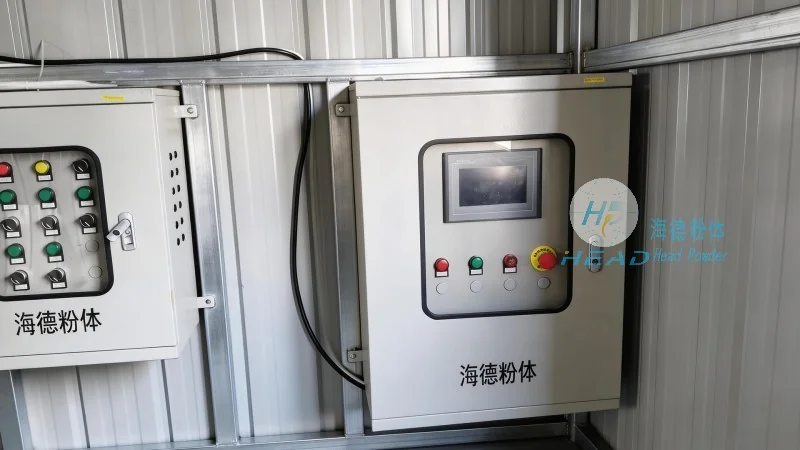
Company Profile: Shandong HeadPowder Engineering Co., Ltd.
Shandong HeadPowder Engineering Co., Ltd., commonly known as HeadPowder, is a professional engineering company based in Shandong, China. With years of experience in the field of powder handling and conveying systems, HeadPowder specializes in designing and manufacturing customized pneumatic conveying solutions for various industrial applications. The company's expertise lies in optimizing material transport processes, ensuring safety, and enhancing operational efficiency for clients in the chemical, fertilizer, and related industries.
Principles of Ammonium Sulfate Pneumatic Conveying
Pneumatic conveying utilizes air or gas to transport bulk materials through a pipeline system. For ammonium sulfate, which is typically a fine powder with specific physical properties, the conveying process relies on the balance between air velocity and material density. The core principle involves creating a sufficient air flow to lift and move the powder particles, often using positive pressure or negative pressure systems. Positive pressure systems push air and material through the pipeline, while negative pressure systems draw material into the system using vacuum. The selection of the conveying method depends on factors such as material characteristics, distance, and system layout. In ammonium sulfate applications, positive pressure systems are commonly preferred due to their ability to handle high material loads and maintain consistent flow rates.
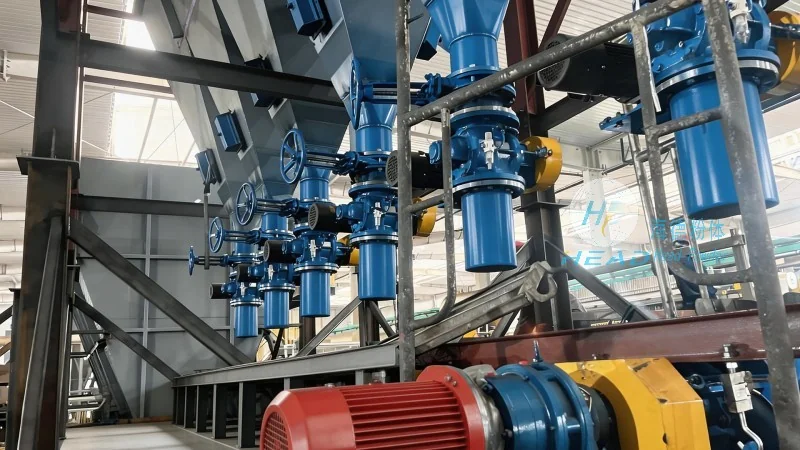
Key Applications of Ammonium Sulfate Pneumatic Conveying
The application of pneumatic conveying technology in ammonium sulfate handling spans multiple stages of production and processing. In the fertilizer manufacturing industry, pneumatic conveyors are used to transport raw ammonium sulfate from storage silos to processing units, ensuring a continuous supply of material for reaction and packaging. During the production of other chemical products, ammonium sulfate is often used as a raw material, and pneumatic conveying facilitates its transfer between reactors and storage tanks. Additionally, in industrial settings where ammonium sulfate is used as a feedstock or additive, the technology enables efficient material movement from bulk storage to processing equipment. The versatility of pneumatic conveying allows it to integrate seamlessly with existing production lines, reducing downtime and improving overall productivity.
Advantages of Pneumatic Conveying for Ammonium Sulfate
Compared to traditional methods like belt conveyors or bucket elevators, pneumatic conveying offers several advantages for handling ammonium sulfate. Firstly, it eliminates the need for mechanical contact with the material, reducing the risk of contamination and product degradation. This is particularly important for ammonium sulfate, which can be sensitive to moisture and physical damage. Secondly, pneumatic systems are more flexible in terms of layout, allowing for complex pipeline configurations to navigate around obstacles and optimize space utilization. Thirdly, the technology provides better control over material flow, enabling precise dosing and reducing material loss. Furthermore, pneumatic conveying systems are generally more energy-efficient, especially when operating at higher air velocities, which helps in reducing operational costs over time.
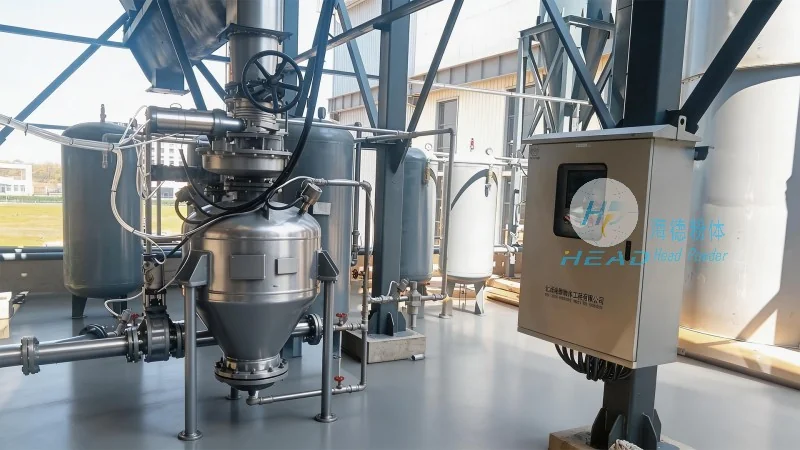
Future Trends and Technological Developments
The field of ammonium sulfate pneumatic conveying is continuously evolving with advancements in technology. One significant trend is the integration of automation and control systems, which allows for real-time monitoring and adjustment of conveying parameters. Modern systems often incorporate sensors to measure air pressure, flow rate, and material level, enabling predictive maintenance and preventing system failures. Another development is the use of advanced materials in pipeline construction, such as corrosion-resistant alloys and high-strength plastics, which extend the lifespan of the equipment and ensure compatibility with ammonium sulfate's chemical properties. Additionally, research is focusing on optimizing energy consumption through the use of variable frequency drives and more efficient air compressors. These technological advancements aim to enhance the reliability, efficiency, and sustainability of pneumatic conveying systems, making them even more suitable for large-scale ammonium sulfate handling operations.
Conclusion
Pneumatic conveying technology plays a vital role in the efficient and safe transportation of ammonium sulfate in various industrial applications. By understanding the principles, applications, and future trends of this technology, industry professionals can make informed decisions about implementing or upgrading their conveying systems. Companies like Shandong HeadPowder Engineering Co., Ltd. continue to innovate and provide tailored solutions that meet the specific needs of clients, ensuring optimal performance and long-term operational success in the handling of ammonium sulfate. As technology advances, the future of pneumatic conveying holds promise for even more efficient and sustainable material transport solutions.




