Biological enzyme pneumatic conveying systems represent a specialized technology within the field of material handling, particularly suited for the transport of sensitive biological materials such as enzymes, microbial cultures, and other biotechnological products. This method leverages compressed air to move materials through a pipeline, offering advantages like minimal product contamination, gentle handling, and efficient processing. The following sections will explore the key types of biological enzyme pneumatic conveying systems, their distinctive features, and the diverse applications where they are commonly employed.
Types of Biological Enzyme Pneumatic Conveying Systems
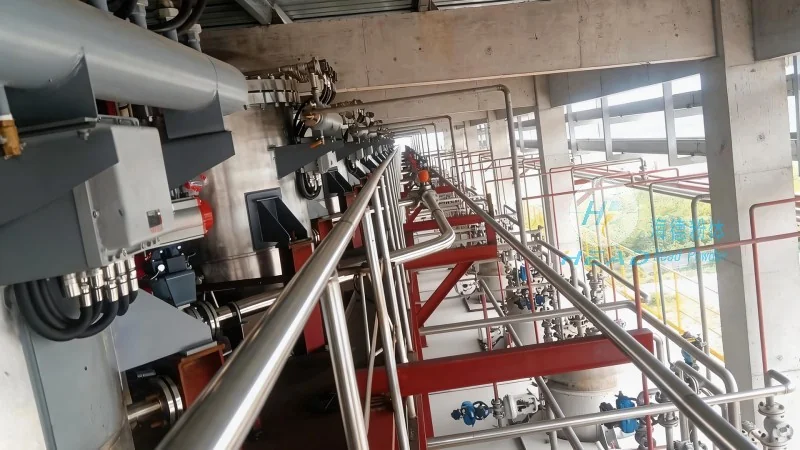
There are several primary configurations of biological enzyme pneumatic conveying systems, each tailored to specific operational requirements and material characteristics. The most common types include:
- Positive Displacement Pneumatic Conveying: This system uses a positive displacement pump to create a consistent airflow, ensuring reliable and controlled material transport. It is ideal for handling fine powders and granules with high moisture content, as the pump maintains a stable pressure and flow rate.
- Pressure-Driven Pneumatic Conveying: In this configuration, compressed air is introduced into a hopper or storage vessel, creating pressure that forces the material through the conveying line. This method is suitable for bulk material handling and can accommodate larger particle sizes, though it may require more robust equipment to manage higher pressures.
- Gravity-Driven Pneumatic Conveying: This system relies on the natural flow of material under the influence of gravity, assisted by low-pressure air to reduce friction and improve flow. It is often used for short-distance transport and for materials that are less prone to caking or agglomeration.
Each type of system offers unique benefits, and the selection depends on factors such as the physical properties of the biological enzyme, the required conveying distance, and the desired level of control over the process.
Key Features of Biological Enzyme Pneumatic Conveying
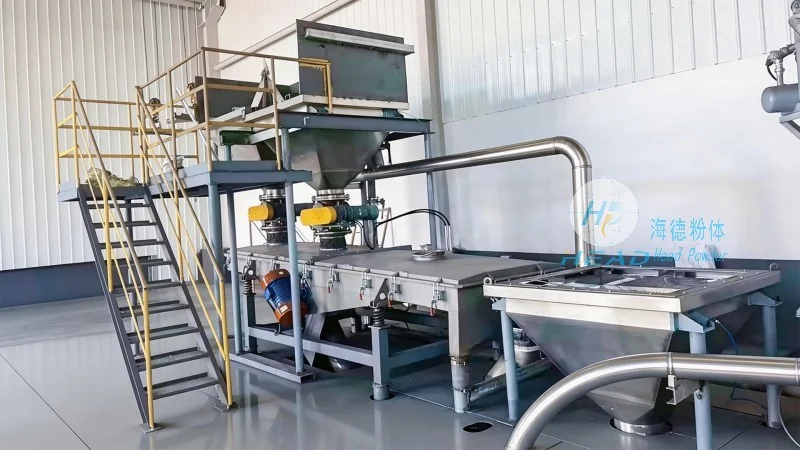
Biological enzyme pneumatic conveying systems are designed with several critical features to ensure optimal performance and product integrity. These features include:
- Gentle Material Handling: The use of low-velocity air and controlled pressure minimizes mechanical stress on the biological enzymes, preserving their activity and stability. This is crucial for maintaining the efficacy of the enzymes during transport.
- Minimal Contamination: The closed-loop system and air filtration prevent external contaminants from entering the material stream, ensuring that the biological enzymes remain pure and free from microbial or chemical impurities.
- Efficient and Compact Design: Pneumatic conveying systems are typically compact and can be integrated into existing production lines, reducing the need for additional space and infrastructure. They also offer high throughput rates, making them suitable for high-volume applications.
- Adjustable Flow Control: Advanced systems incorporate variable speed drives and pressure regulators, allowing operators to adjust the conveying rate in real-time. This flexibility enables precise control over the material flow, which is essential for maintaining consistent product quality.
These features collectively contribute to the effectiveness of biological enzyme pneumatic conveying, making it a preferred choice for industries that require high standards of product purity and operational efficiency.
Applications of Biological Enzyme Pneumatic Conveying
Biological enzyme pneumatic conveying systems find widespread application in various industries, particularly in biotechnology, pharmaceuticals, and food processing. The following are some of the key applications where these systems are utilized:
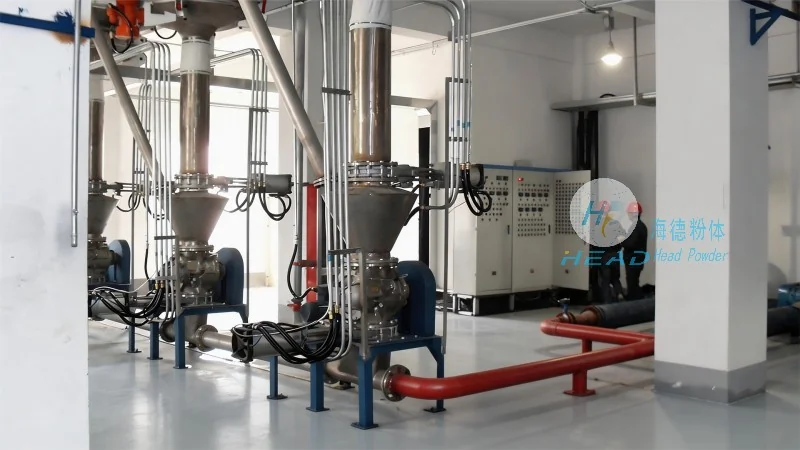
- Enzyme Production and Processing: In biopharmaceutical facilities, these systems are used to transport enzymes from fermentation tanks to downstream processing units, such as filtration and purification stages. The gentle handling ensures that the enzymes retain their catalytic activity, which is vital for downstream reactions.
- Pharmaceutical Manufacturing: For the production of enzymes used in drug formulations, pneumatic conveying systems are employed to move raw materials and intermediates through the manufacturing process. The closed system maintains sterile conditions, preventing contamination and ensuring compliance with regulatory standards.
- Food and Beverage Industry: In the production of enzymes for food processing, such as lactase or amylase, pneumatic conveying is used to transport enzyme powders from storage to mixing and packaging equipment. The system’s ability to handle fine powders without caking is particularly advantageous in this sector.
- Research and Development Labs: Academic and industrial research facilities use biological enzyme pneumatic conveying for small-scale experiments and pilot studies. The flexibility of these systems allows researchers to test different conveying parameters and optimize the process for specific enzyme applications.
These applications highlight the versatility of biological enzyme pneumatic conveying systems, which can be adapted to meet the unique demands of different industries and product types.
Conclusion and Company Overview
Biological enzyme pneumatic conveying systems are a critical component in the efficient and safe handling of sensitive biological materials. The various types, features, and applications discussed above demonstrate the technology’s adaptability and effectiveness. As a leading provider in this field, Shandong HeadPowder Engineering Co., Ltd. specializes in designing and manufacturing customized pneumatic conveying solutions tailored to the specific needs of clients. With a focus on maintaining product integrity and operational efficiency, the company’s systems are widely used in biotechnology, pharmaceuticals, and food processing industries. HeadPowder’s expertise in engineering and material handling ensures that clients receive reliable and high-performance solutions for their biological enzyme transport requirements.




