For industrial applications requiring the efficient and reliable transport of activated carbon granules, the pneumatic conveying system offers a sophisticated solution. This article provides an overview of the system's structure and operational principles, highlighting its key components and how they work together to ensure optimal performance.
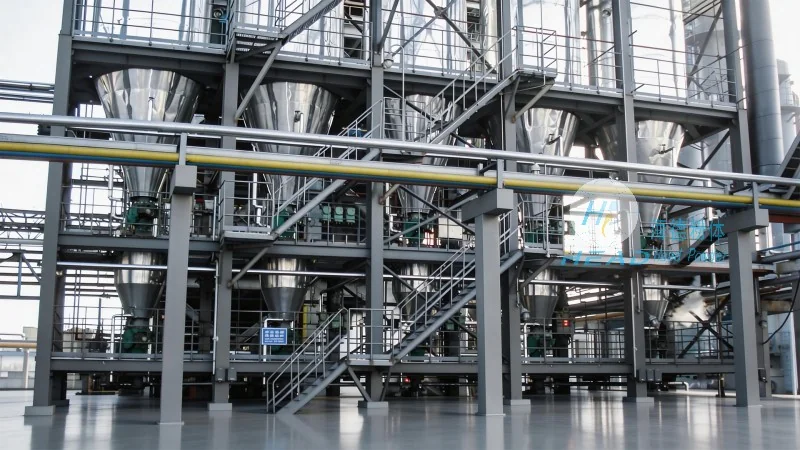
Overview of the Activated Carbon Granule Pneumatic Conveying System
The activated carbon granule pneumatic conveying system is designed to transport bulk materials, such as activated carbon, from a source to a destination using air or other gas as the conveying medium. This method eliminates the need for mechanical components like belts or buckets, reducing maintenance requirements and enhancing safety. The system is particularly suitable for applications where dust control, hygiene, and precise material handling are critical.
Key Components and Their Functions
The system comprises several essential components, each playing a vital role in the conveying process. These include the hopper, feeder, air compressor, conveying line, and receiver. The hopper serves as the storage container for the activated carbon granules, ensuring a consistent supply of material. The feeder, typically a rotary valve or screw feeder, regulates the flow of granules into the conveying line, preventing blockages and maintaining a steady flow rate. The air compressor generates the necessary pressure and airflow to move the granules through the system. The conveying line, usually made of metal or flexible tubing, transports the material and air mixture. Finally, the receiver collects the conveyed granules and may include a dust collection system to ensure environmental compliance.
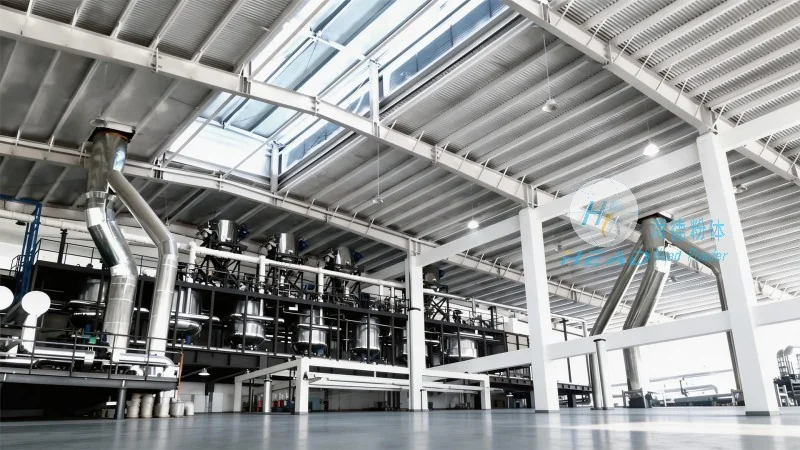
Working Principle of the Pneumatic Conveying Process
The operation of the activated carbon granule pneumatic conveying system involves several stages. Initially, the granules are fed from the hopper into the conveying line. Simultaneously, the air compressor supplies compressed air into the line. As the air flows through the line, it creates a pressure differential that lifts and propels the granules forward. The combination of air velocity and particle size determines the conveying velocity and efficiency. The system may use different modes of operation, such as dilute phase or dense phase conveying, depending on the material characteristics and distance to be covered. Dilute phase conveying is suitable for short distances and lighter materials, while dense phase conveying is used for longer distances or more abrasive materials, providing better control and reduced wear on components.
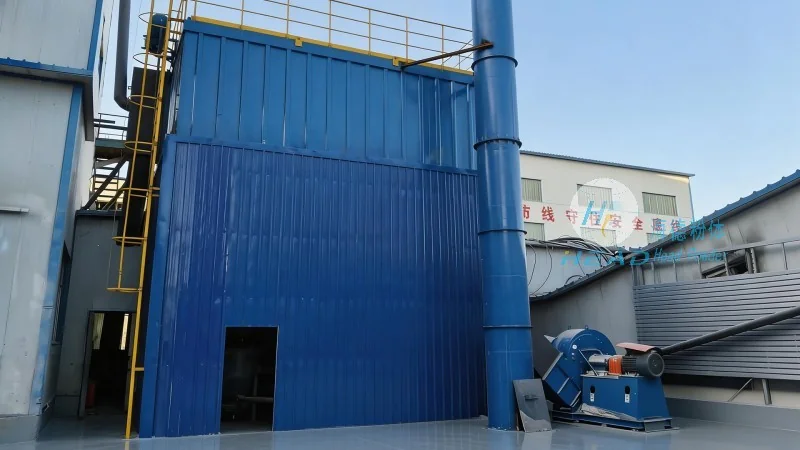
Advantages of the Pneumatic Conveying System
Implementing a pneumatic conveying system for activated carbon granules offers numerous advantages over traditional mechanical methods. Firstly, it provides a dust-free and hygienic environment, which is crucial in industries like pharmaceuticals, food processing, and water treatment where contamination control is paramount. Secondly, the system reduces labor costs and maintenance as there are fewer moving parts compared to belt or bucket elevators. Thirdly, it allows for precise control over the flow rate and pressure, ensuring consistent material delivery to downstream processes. Additionally, the system can be easily integrated with other equipment, such as mixers or reactors, to form a complete production line. The flexibility of the system also enables it to handle varying material loads and adjust to changes in production requirements without significant modifications.
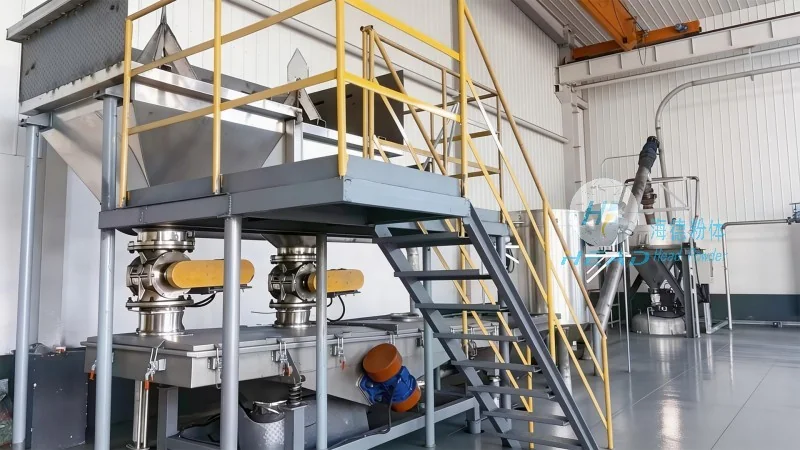
Application Scenarios
The activated carbon granule pneumatic conveying system is widely used in various industrial sectors. In the water treatment industry, it efficiently transports activated carbon to filtration systems, enhancing the removal of impurities and contaminants. In the chemical industry, the system is employed in the production of activated carbon-based products, ensuring uniform mixing and processing. The pharmaceutical industry benefits from the system's ability to handle activated carbon in sterile environments, maintaining product quality and safety. Furthermore, in the environmental remediation sector, the system aids in the transport of activated carbon for soil and water purification projects, contributing to sustainable environmental solutions.
Company Profile: Shandong HeadPowder Engineering Co., Ltd.
Shandong HeadPowder Engineering Co., Ltd., operating under the brand name headpowder, specializes in the design, manufacturing, and installation of pneumatic conveying systems tailored to industrial needs. With a focus on innovation and quality, the company provides customized solutions that meet the specific requirements of clients across various industries. Headpowder's expertise in material handling technology ensures that their systems are efficient, reliable, and cost-effective. The company's commitment to customer satisfaction and technical excellence has established it as a leading provider in the field of bulk material transport. Headpowder's facilities are located in Shandong, China, where they leverage local resources and expertise to deliver high-quality products and services to global markets.




