When it comes to efficient material handling in industrial settings, especially for bulk materials like soybean cake, pneumatic conveyors have emerged as a reliable and effective solution. A soybean cake pneumatic conveyor is a specialized system designed to transport these dense, often sticky materials through a pipeline using air pressure. Understanding both the function and the underlying design principles of such equipment is crucial for selecting the right system for specific applications.
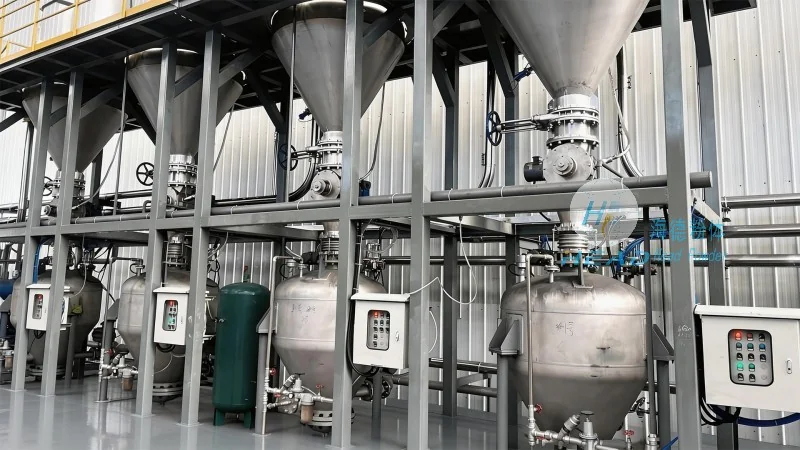
Introduction to Soybean Cake Pneumatic Conveyors
A soybean cake pneumatic conveyor, also known as a pneumatic conveyor for soybean cake, is a type of pneumatic conveying system engineered to handle the unique characteristics of soybean cake. This material, produced as a byproduct of soybean oil extraction, is typically dense, with a high moisture content and a tendency to clump or stick together. Traditional conveyor systems may struggle with such properties, making pneumatic conveyors an ideal choice for maintaining product integrity and ensuring smooth transport.
Understanding the Core Function of Pneumatic Conveying Systems
The fundamental principle of pneumatic conveying is the use of air to move material through a pipeline. In the case of soybean cake, the system operates by creating a pressure differential within the pipeline. This is achieved through a blower or compressor that generates the necessary air flow. The material is then introduced into the pipeline, either by gravity or through a feeder, and is carried along by the moving air. The air velocity is carefully controlled to ensure that the material is fully suspended and transported without damage or degradation.
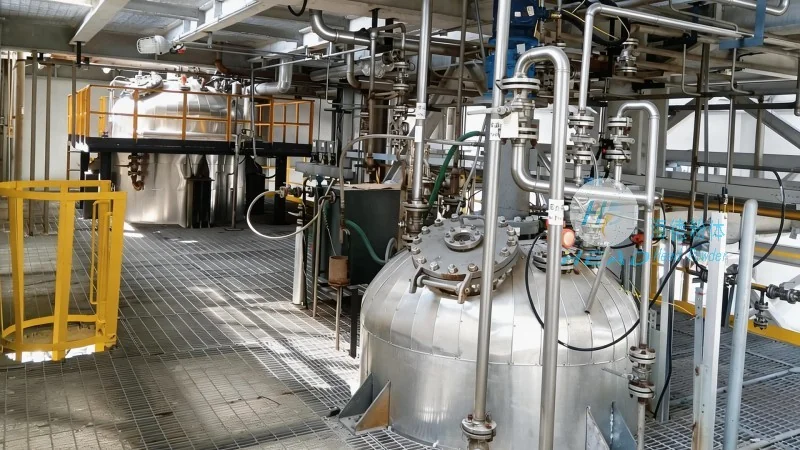
Design Principles Behind Soybean Cake Pneumatic Conveyors
The design of a soybean cake pneumatic conveyor is tailored to address the specific challenges posed by soybean cake. Key design principles include optimizing air velocity to prevent material deposition and ensure consistent flow, selecting appropriate pipeline materials that can withstand the abrasive and sticky nature of the material, and incorporating features that minimize wear and tear on components. The system must also be designed for easy cleaning and maintenance, as soybean cake can leave residues that could affect performance over time.
Key Components and Their Roles in the System
Several critical components work together to make a soybean cake pneumatic conveyor function effectively. The main components include a blower or air compressor, which provides the necessary air pressure; a feeder, used to introduce the soybean cake into the pipeline; a pipeline system, which forms the transport path; and a receiver or discharge unit, where the material is collected. Each component is designed to handle the specific characteristics of soybean cake, with considerations for material compatibility, durability, and operational efficiency.
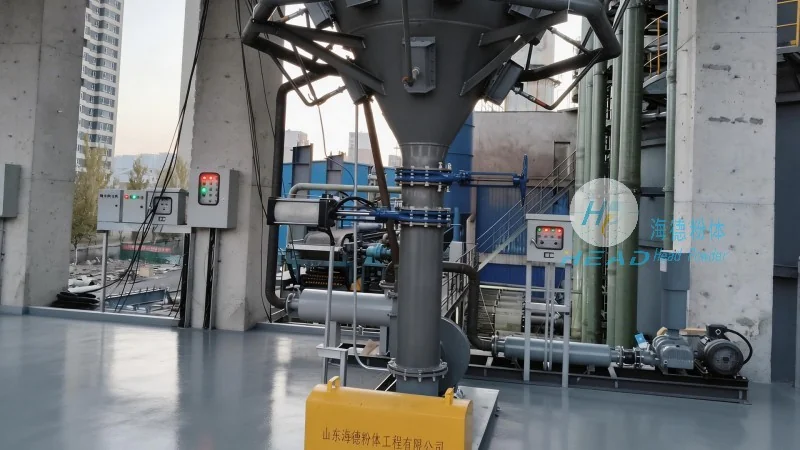
Operational Mechanisms and How They Work
When the system is operational, the blower generates a high-pressure air stream. The soybean cake is fed into the pipeline, either by a screw feeder or a rotary valve, and is entrained by the air flow. The air velocity is maintained at a level that keeps the material suspended, preventing it from settling or clogging the pipeline. The material travels through the pipeline to the discharge point, where it is collected in a storage bin or processing unit. The system is typically equipped with controls that allow for adjustments to air pressure and flow rate, ensuring optimal performance under varying conditions.
Benefits and Advantages of Using Such Conveyors
Implementing a soybean cake pneumatic conveyor offers several advantages over traditional material handling methods. These include the ability to transport materials over long distances without the need for multiple transfer points, reduced risk of contamination due to enclosed systems, and improved product quality by minimizing handling-related damage. Additionally, pneumatic conveyors are generally more energy-efficient compared to mechanical systems, as they use air pressure rather than mechanical force to move the material. The system also allows for easy integration with other processing equipment, enhancing overall operational efficiency.
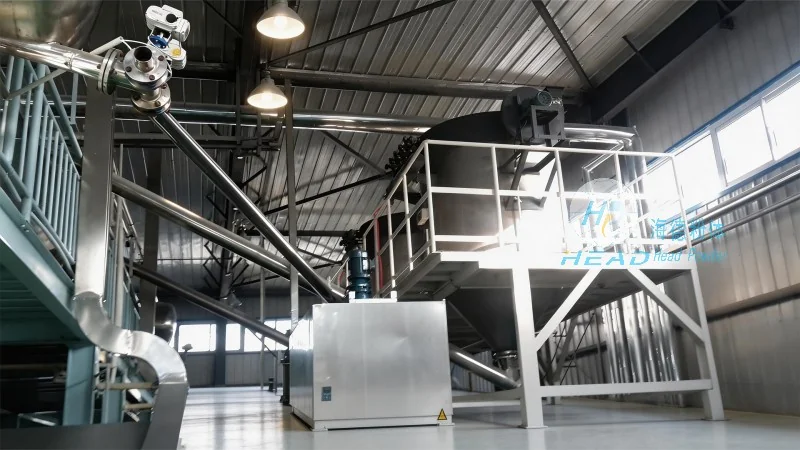
Application Scenarios and Practical Use Cases
Soybean cake pneumatic conveyors are commonly used in various industrial applications, particularly in the food processing and agricultural sectors. They are ideal for transporting soybean cake from storage silos to processing facilities, such as for animal feed production or further processing into other products. The system can also be used in the transportation of other bulk materials with similar characteristics, such as other types of cake or powder materials. The versatility of the pneumatic conveyor makes it a valuable asset in any facility that requires efficient and reliable material handling.
Company Information and Professional Support
For those seeking reliable solutions for soybean cake handling, Shandong HeadPowder Engineering Co., Ltd. offers expert design, manufacturing, and installation services. With a focus on quality and customer satisfaction, the company provides customized pneumatic conveyor systems tailored to specific operational needs. Located in Shandong, China, HeadPowder Engineering leverages years of experience in material handling technology to deliver efficient and durable equipment that meets the highest industry standards. Their commitment to innovation and customer support ensures that clients receive not only top-quality products but also comprehensive assistance throughout the entire process.




