When it comes to transporting aggregate materials such as sand, gravel, and crushed stone, air-pneumatic conveying offers efficient and flexible solutions. This method utilizes air pressure to move bulk materials through a pipeline system, eliminating the need for traditional mechanical components like conveyor belts or buckets. For businesses in the construction and mining sectors, selecting the right air-pneumatic conveying system is crucial for optimizing material handling processes and reducing operational costs.
Key Considerations in Air-Pneumatic Conveying Systems
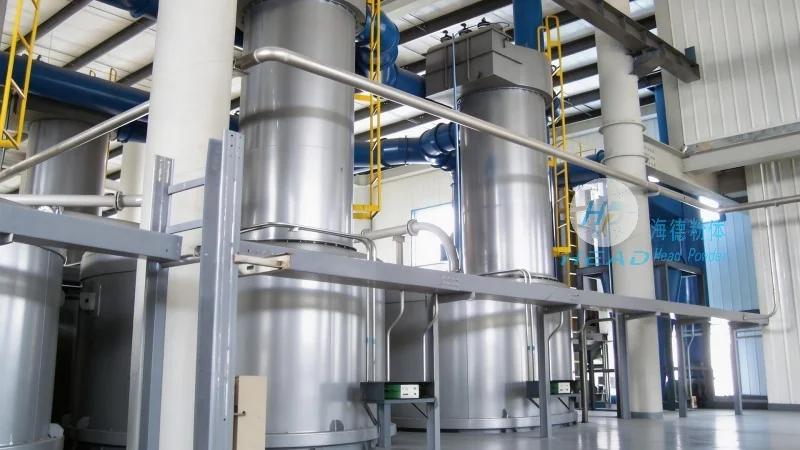
Before implementing an air-pneumatic conveying system, several factors must be evaluated to ensure optimal performance. The first consideration is the type of material being conveyed—its size, moisture content, and abrasiveness all impact the system's design. For example, abrasive materials like crushed concrete may require specialized equipment to prevent wear and tear on components. Additionally, the distance and elevation changes between the source and destination points are critical. A longer distance or significant vertical lift may necessitate higher air pressure or additional booster units to maintain material flow.
Types of Air-Pneumatic Conveying Systems
There are primarily two types of air-pneumatic conveying systems: positive pressure and negative pressure. Positive pressure systems use a blower to force air and material through the pipeline, making them suitable for long-distance or high-elevation applications. These systems are often preferred for transporting abrasive or dusty materials as they can handle higher air velocities without causing excessive wear. On the other hand, negative pressure systems use a vacuum to draw material into the pipeline, which is ideal for applications requiring dust control or when the material source is located at a higher elevation than the destination. Both systems have their advantages, and the choice depends on the specific operational requirements and material characteristics.
Components of an Air-Pneumatic Conveying System
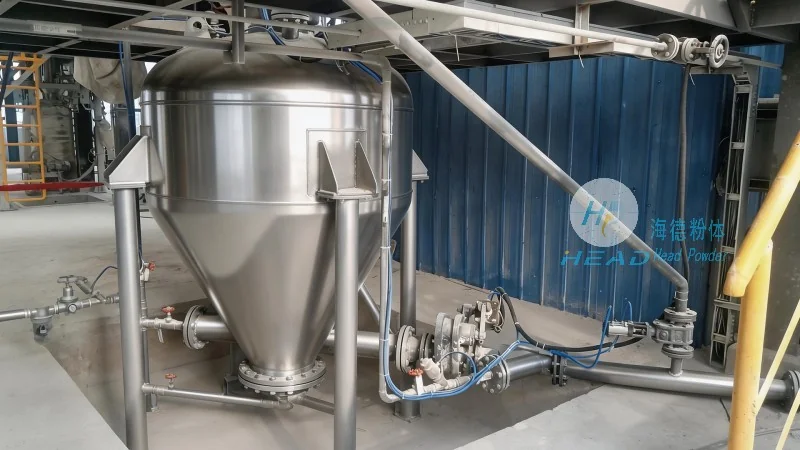
Regardless of the system type, a typical air-pneumatic conveying setup includes several key components. The primary components are the material feeder, which introduces the aggregate into the pipeline, and the air mover (blower or vacuum pump), which provides the necessary pressure or vacuum. The pipeline itself is usually made of durable materials like stainless steel or PVC to withstand the abrasive nature of the material and the pressure differences. Additionally, the system may include a filter to capture dust and particulates, a silencer to reduce noise, and a control panel to regulate the air flow and material feed rate. Proper maintenance of these components is essential to ensure the system operates efficiently and has a long service life.
Applications in the Construction and Mining Industries
Air-pneumatic conveying is widely used in the construction and mining industries for various applications. In construction sites, it is commonly employed to transport sand, gravel, and cement from storage areas to mixing plants or job sites. This method allows for quick and efficient material delivery, reducing downtime and labor costs. In mining operations, it is used to move crushed ore from processing facilities to storage or for further processing. The flexibility of air-pneumatic systems makes them suitable for both indoor and outdoor applications, adapting to the diverse needs of industrial operations.
Advantages of Air-Pneumatic Conveying
Compared to traditional material handling methods, air-pneumatic conveying offers several advantages. One of the most significant benefits is the elimination of moving parts, which reduces maintenance requirements and operational downtime. The system is also more hygienic and dust-free, making it suitable for applications where dust control is critical, such as in food processing or pharmaceutical industries (though aggregate materials are typically not used in these sectors, the principle applies). Additionally, air-pneumatic systems can handle a wide range of material sizes and types, from fine powders to large chunks, with minimal degradation. The ability to transport materials over long distances without the need for intermediate storage points also enhances operational efficiency.
Challenges and Mitigation Strategies
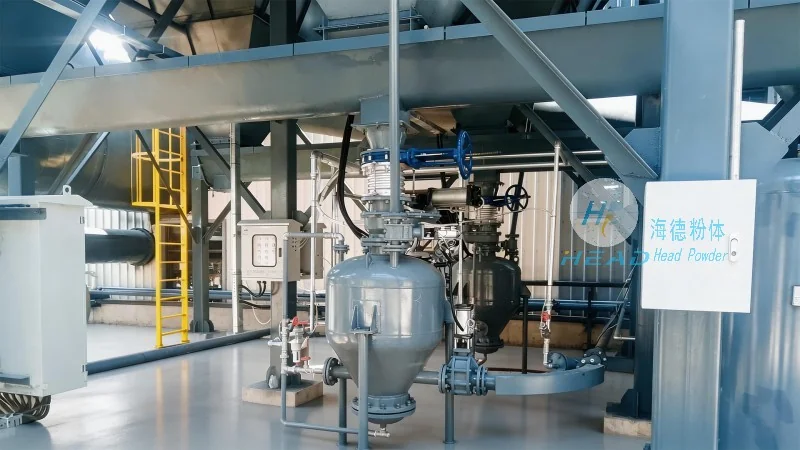
While air-pneumatic conveying offers many benefits, it also presents some challenges. One common issue is material blockage or "plugging" in the pipeline, which can occur due to changes in material moisture content or the presence of foreign objects. To mitigate this, systems often include a rotary valve or feeder that can handle varying material flow rates and prevent blockages. Another challenge is the high energy consumption associated with air movers, especially in positive pressure systems. To address this, manufacturers may use energy-efficient blowers or incorporate variable frequency drives to adjust the air flow based on demand. Regular maintenance, such as cleaning filters and checking for wear on components, is also essential to prevent system failures and ensure optimal performance.
Case Study: Implementing an Air-Pneumatic System for Aggregate Transport
Shandong HeadPowder Engineering Co., Ltd., a leading provider of material handling solutions, recently completed a project for a construction company in China. The client required a system to transport 500 tons of sand and gravel from a quarry to a concrete mixing plant over a distance of 2 kilometers with a vertical lift of 30 meters. The company designed a positive pressure air-pneumatic system with a high-capacity blower and a series of booster units to maintain the required air pressure. The system was equipped with a rotary valve and a dust filter to ensure smooth operation and compliance with environmental regulations. After installation and commissioning, the system achieved a material throughput of 80 tons per hour, meeting the client's production requirements. The project demonstrated the effectiveness of air-pneumatic conveying in large-scale industrial applications and highlighted the importance of proper system design and maintenance.




