Understanding the design and functionality of an anhydrous aluminum chloride powder conveying line is crucial for industries that rely on efficient and safe handling of this chemical. This article explores the key aspects of such systems, including their design principles and practical applications.
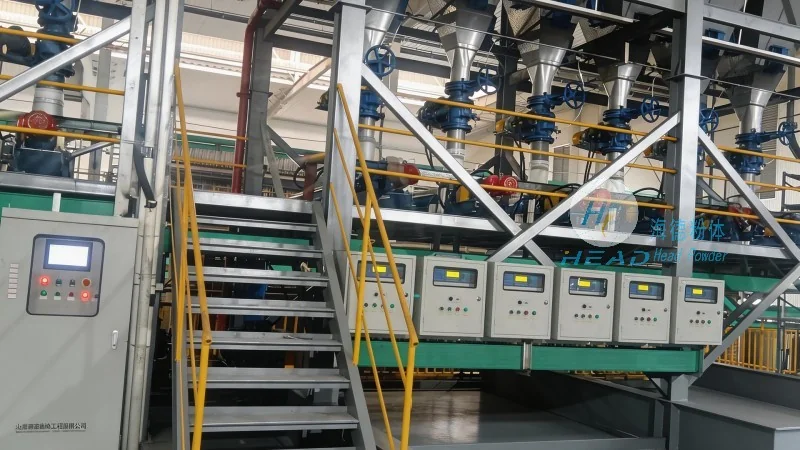
An Overview of Anhydrous Aluminum Chloride Powder Conveying Lines
An anhydrous aluminum chloride powder conveying line is a specialized system engineered to transport the fine powder of anhydrous aluminum chloride, a compound widely used in various industrial processes. The primary goal of these systems is to ensure the safe, efficient, and consistent movement of the powder from storage to processing units. The design of such lines must address several critical factors, including material properties, environmental considerations, and operational efficiency.
Key Design Principles for Anhydrous Aluminum Chloride Conveying Systems
The design of an anhydrous aluminum chloride powder conveying line is based on several fundamental principles that ensure optimal performance and safety. First, the system must be constructed from materials that are compatible with the chemical properties of anhydrous aluminum chloride. This includes the use of corrosion-resistant materials like stainless steel or specialized alloys to prevent degradation and contamination. Second, the design incorporates features to minimize the risk of moisture exposure, as anhydrous aluminum chloride is highly hygroscopic and reacts with water to form hydrochloric acid and heat, which can lead to hazardous conditions.
Third, the conveying system employs low-pressure or vacuum-assisted mechanisms to handle the fine powder without causing excessive friction or particle degradation. This is typically achieved through the use of screw conveyors, pneumatic conveying systems, or a combination of both, depending on the specific application requirements. The design also considers the need for proper sealing and dust control to prevent the release of fine particles into the environment, which is essential for maintaining workplace safety and compliance with environmental regulations.
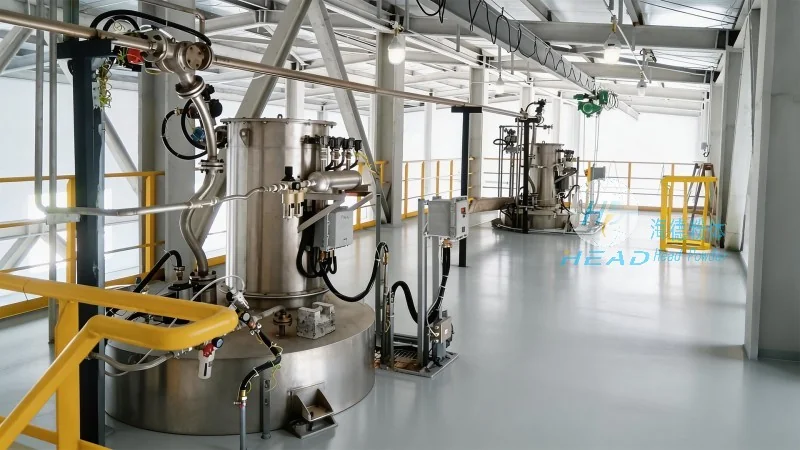
Components and Operational Mechanisms
An anhydrous aluminum chloride powder conveying line typically consists of several key components that work in tandem to achieve efficient material transport. The primary components include a storage hopper or silo, a feeding mechanism (such as a rotary valve or screw feeder), a conveying device (e.g., screw conveyor or pneumatic pipeline), and a discharge or processing unit. The storage hopper is designed with a sloped bottom to facilitate smooth material flow and prevent caking or blockages. The feeding mechanism ensures a controlled and consistent flow of the powder into the conveying system, while the conveying device transports the material to the desired location.
In pneumatic conveying systems, compressed air is used to create a flow of air and powder through a pipeline. The design of the pipeline, including the diameter and length, is critical to maintain the proper air-to-powder ratio and prevent particle segregation or clogging. The system may also include filters and cyclones to separate the powder from the air stream and return the powder to the process or storage. For screw conveyors, the design focuses on the pitch and speed of the screw to ensure the powder moves without excessive pressure or degradation. The discharge unit may include a valve or hopper to control the release of the powder into the next stage of the process.
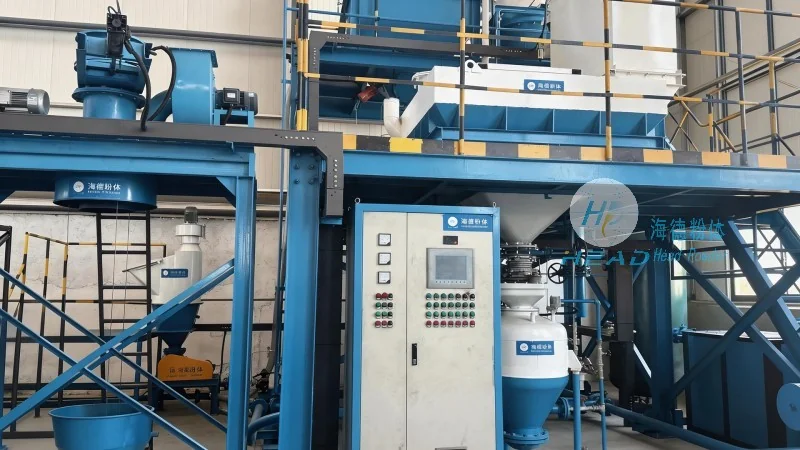
Applications and Industry Relevance
Anhydrous aluminum chloride powder conveying lines are widely used in industries such as chemical manufacturing, petroleum refining, and water treatment. In chemical manufacturing, these systems are used to transport the powder to reactors or mixing units, where it is used as a catalyst or co-catalyst in various chemical reactions. In petroleum refining, anhydrous aluminum chloride is used in the alkylation process to produce high-octane gasoline, and the conveying line ensures the efficient delivery of the material to the alkylation unit. In water treatment, it is used as a coagulant to remove impurities from water, and the conveying system delivers the powder to the treatment facilities.
The efficiency and reliability of the conveying line are critical to the overall performance of these industrial processes. Any inefficiency or failure in the system can lead to production delays, increased costs, or safety hazards. Therefore, the design and maintenance of anhydrous aluminum chloride powder conveying lines are essential for ensuring smooth and safe operations in these industries.
Conclusion
In summary, an anhydrous aluminum chloride powder conveying line is a sophisticated system designed to handle the unique properties of this chemical. The design principles, components, and operational mechanisms are carefully engineered to ensure safe, efficient, and consistent transport of the powder. As a key component in various industrial processes, the proper functioning of these systems is vital for the success and safety of the operations. By understanding the design and applications of such systems, industries can optimize their processes and ensure compliance with safety and environmental standards.




