Pea powder, as a common food ingredient, often requires efficient and reliable transportation systems to ensure smooth production processes. In the field of powder handling, the pea powder bulk conveyor has emerged as a critical equipment for moving pea powder from one location to another within industrial settings. This article will explore what a pea powder bulk conveyor is and delve into its fundamental design principles, providing insights into how such equipment operates and its importance in modern processing facilities.
Understanding the Pea Powder Bulk Conveyor
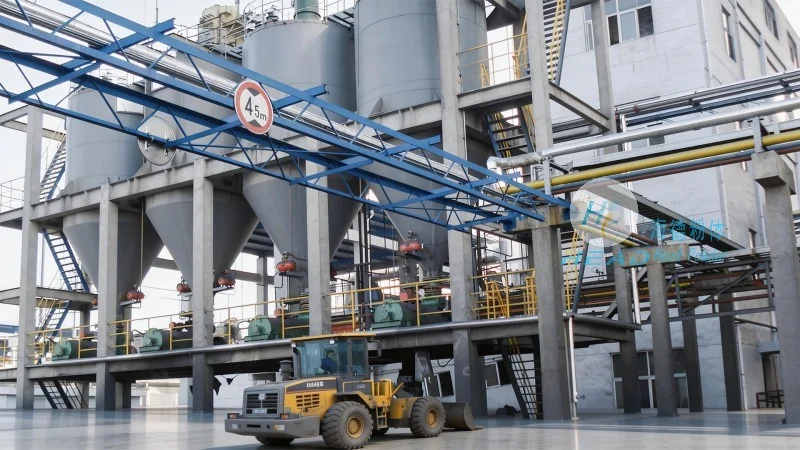
A pea powder bulk conveyor is a specialized piece of machinery designed specifically for the transportation of pea powder in bulk quantities. Unlike traditional conveyors that may handle various materials, this equipment is tailored to the unique characteristics of pea powder, such as its particle size, flowability, and potential for dust generation. The primary function of a pea powder bulk conveyor is to move pea powder from a storage silo or processing unit to a packaging line, a blending system, or other downstream equipment with minimal loss and maximum efficiency. By utilizing a combination of mechanical components, these conveyors ensure that pea powder is transported safely and effectively, adhering to industry standards for food handling and hygiene.
Key Design Principles of Pea Powder Bulk Conveyors
The design of a pea powder bulk conveyor is built upon several core principles that address the specific challenges of handling pea powder. First, the conveyor must maintain a consistent flow of powder to prevent clogging or bridging, which can occur due to the cohesive nature of pea powder particles. This is achieved through the use of appropriate conveyor components, such as screw conveyors, pneumatic conveyors, or belt conveyors, each with its own advantages depending on the application. For example, screw conveyors are commonly used for horizontal or slight incline transport, as they provide a continuous, positive displacement method that ensures the powder moves without segregation. Pneumatic conveyors, on the other hand, use air pressure to transport pea powder, making them ideal for longer distances or when the powder needs to be transported through vertical or complex routes. The choice of conveyor type is critical and depends on factors like the volume of pea powder to be moved, the distance between the source and destination, and the available space in the processing facility.
Components and Operational Mechanisms
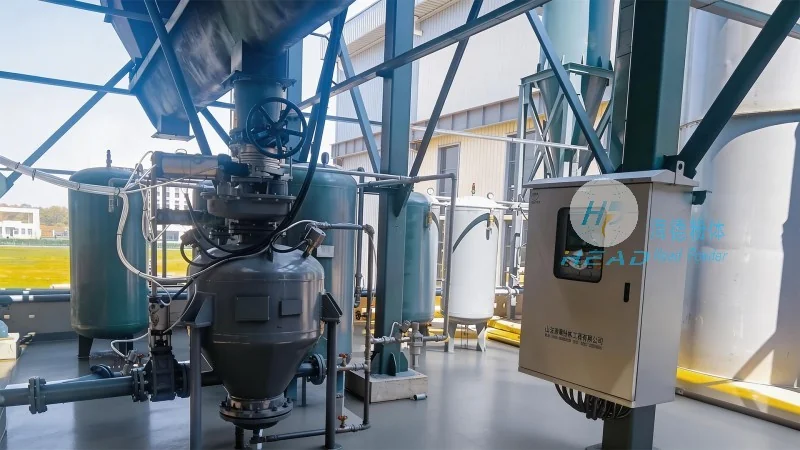
Pea powder bulk conveyors typically consist of several key components that work together to ensure efficient operation. The main components include a hopper or feed inlet, a conveyor mechanism (such as a screw or belt), a drive system, and a discharge outlet. The hopper is designed to hold the pea powder and feed it into the conveyor at a controlled rate, preventing overloading and ensuring a steady flow. The conveyor mechanism, whether it is a rotating screw or a moving belt, is responsible for moving the powder along the conveyor path. The drive system provides the necessary power to operate the conveyor, while the discharge outlet allows the pea powder to be released at the desired location. In addition to these primary components, many pea powder bulk conveyors are equipped with features such as dust collection systems, temperature control, and material sensors to enhance safety and efficiency. These features are particularly important in food processing environments, where maintaining hygiene and preventing contamination is paramount.
Applications and Benefits in Pea Powder Processing
The pea powder bulk conveyor plays a vital role in various stages of pea powder processing, from raw material handling to final product packaging. In the initial stages, the conveyor can transport pea powder from storage silos to processing lines, where it may be blended with other ingredients or subjected to further processing. During the blending process, the conveyor ensures that pea powder is mixed uniformly with other components, such as vitamins, minerals, or flavorings, to create a consistent product. As the processing continues, the conveyor may transport the pea powder to a packaging line, where it is filled into bags or containers for distribution. The benefits of using a pea powder bulk conveyor in these applications are numerous. Firstly, it improves production efficiency by reducing the time and labor required to move pea powder between different stages of processing. Secondly, it minimizes material loss and waste, as the conveyor is designed to handle the powder with minimal spillage or degradation. Thirdly, it enhances safety by containing the powder and preventing dust emissions, which can be hazardous in some environments. Finally, it ensures compliance with industry regulations, as the equipment is designed to meet hygiene and safety standards for food processing.
Customization and Adaptability
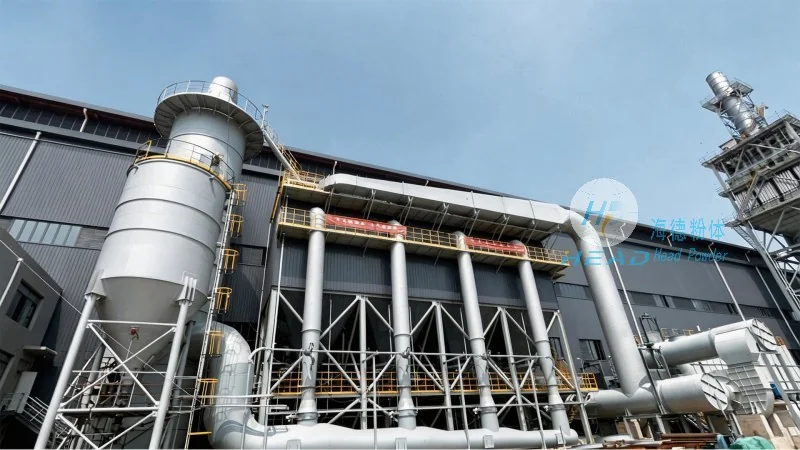
Given the diverse nature of pea powder processing facilities, pea powder bulk conveyors are often customizable to meet specific operational requirements. Manufacturers, such as Shandong HeadPowder Engineering Co., Ltd., offer a range of options to tailor the conveyor to the needs of individual clients. Customization may include adjustments to the conveyor's size, speed, and material of construction, depending on the characteristics of the pea powder being handled. For example, if the pea powder is prone to clumping or has a high moisture content, the conveyor may be equipped with special features, such as a deaeration system or a heating element, to improve flowability. Additionally, the conveyor may be designed with different discharge configurations, such as a rotary valve or a gate, to control the release of pea powder into downstream equipment. The adaptability of pea powder bulk conveyors makes them suitable for a wide range of applications, from small-scale processing operations to large industrial facilities.
Maintenance and Longevity
Like any industrial equipment, pea powder bulk conveyors require regular maintenance to ensure optimal performance and longevity. Proper maintenance is essential to prevent breakdowns, reduce downtime, and extend the life of the equipment. Regular maintenance tasks may include cleaning the conveyor components, checking for wear and tear, lubricating moving parts, and inspecting the drive system. It is also important to monitor the performance of the conveyor, such as the flow rate and pressure, to identify any issues before they become major problems. By following a regular maintenance schedule, users can ensure that the pea powder bulk conveyor operates efficiently and reliably, providing consistent performance over its lifespan. Manufacturers, such as Shandong HeadPowder Engineering Co., Ltd., often provide maintenance services and spare parts to support their clients, further enhancing the longevity and effectiveness of the equipment.




