The efficient and reliable transportation of dust and powder materials is a critical challenge in many industrial processes. A dust powder conveyor, also known as a powder conveying system, is a specialized equipment designed to handle these materials with precision and control. Understanding its design principles is essential for optimizing material handling operations and ensuring operational efficiency.
Introduction to HeadPowder and Dust Powder Conveyors
HeadPowder, a leading manufacturer based in Shandong, China, specializes in the development and production of advanced dust powder conveying equipment. With years of experience in the industry, the company has established itself as a trusted provider of high-quality solutions tailored to meet the diverse needs of various industries. The company's commitment to innovation and quality ensures that its products meet the highest standards of performance and durability.
Overview of Dust Powder Conveyors
A dust powder conveyor is a mechanical system designed to transport dry, fine materials such as powders, granules, and other particulate substances. These materials are often challenging to handle due to their fine particle size and tendency to create dust clouds or clog traditional conveyor systems. The dust powder conveyor addresses these challenges by utilizing pneumatic conveying technology, which involves the movement of material through a pipeline using air or gas as the conveying medium.
Key Design Principles of Dust Powder Conveyors
The design of a dust powder conveyor is based on several fundamental principles to ensure effective and efficient material transport. The primary principle is pneumatic conveying, which can be categorized into two main types: positive pressure and negative pressure systems. Positive pressure systems use compressed air to push the material through the conveyor line, while negative pressure systems use a vacuum to draw the material. The choice between these systems depends on factors such as the material characteristics, distance to be conveyed, and the desired flow rate.
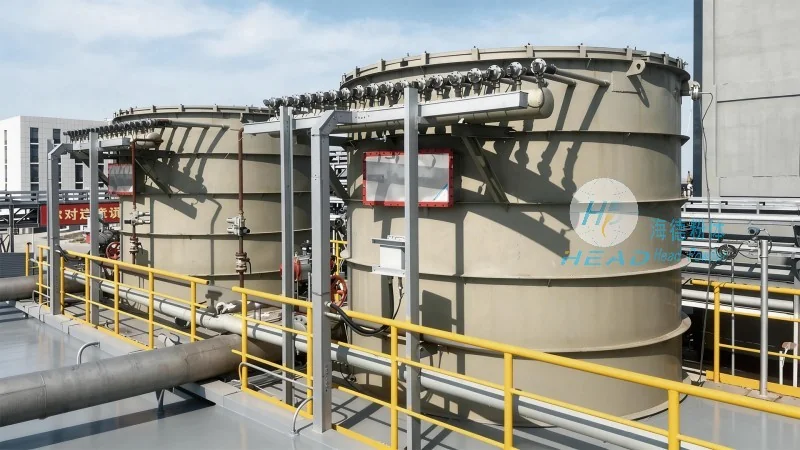
Another critical design principle is the selection of the appropriate conveyor line material. The line is typically made from materials like stainless steel, plastic, or rubber, depending on the corrosiveness and abrasiveness of the material being transported. The material of the line must be resistant to wear and chemical attack to ensure long-term performance. Additionally, the line diameter and length are carefully designed to maintain the required air velocity and pressure drop, which are crucial for efficient material transport.
Components and Operation of a Dust Powder Conveyor
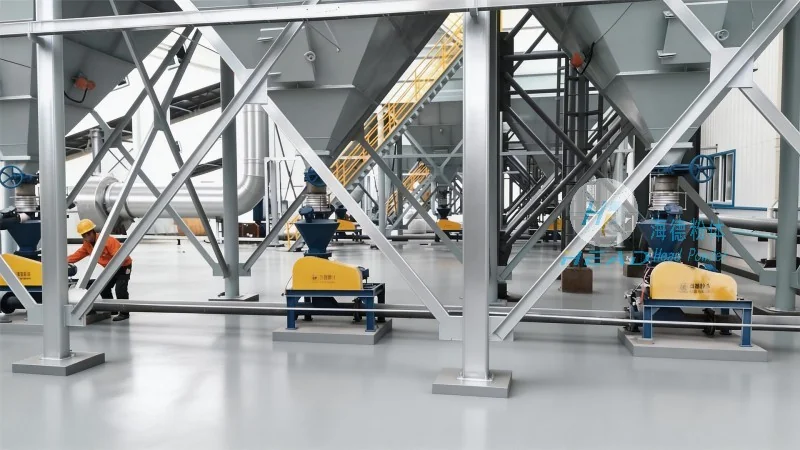
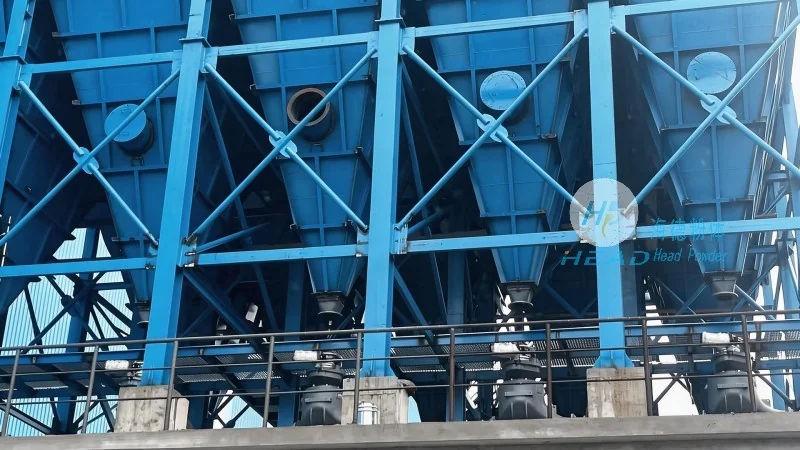
The dust powder conveyor system consists of several key components that work together to achieve the desired material transport. The main components include a feeding hopper, a conveyor line, a drive unit (such as a blower or vacuum pump), a control system, and sometimes a filter or cyclone separator. The feeding hopper is responsible for uniformly feeding the material into the conveyor line, preventing blockages and ensuring consistent flow. The conveyor line is the main pathway for the material, with the drive unit providing the necessary air pressure or vacuum to move the material through the line. The control system monitors and adjusts the air pressure, flow rate, and other parameters to maintain optimal performance and prevent system failures.
Advantages of Using Dust Powder Conveyors
Implementing a dust powder conveyor offers numerous advantages over traditional material handling methods. One of the key benefits is the ability to handle fine and abrasive materials without causing damage or contamination. The pneumatic conveying method minimizes product degradation and ensures that the material remains in its original state. Additionally, dust powder conveyors are capable of transporting materials over long distances with minimal maintenance requirements. The system is also flexible, allowing for easy integration into existing production lines and modifications to accommodate different material types or flow rates.
Applications and Industries
Dust powder conveyors are widely used in various industries where the handling of dry, fine materials is essential. These include the chemical industry, pharmaceuticals, food processing, and mining. In the chemical industry, they are used to transport powders such as chemicals, pigments, and additives. In the pharmaceutical industry, they are employed to handle active pharmaceutical ingredients (APIs) and other sensitive materials, ensuring that the materials are not contaminated during transport. The food processing industry uses dust powder conveyors to transport ingredients like flour, sugar, and spices, maintaining hygiene and preventing cross-contamination. In the mining industry, they are used to transport minerals and ores from storage to processing equipment.
Conclusion
In conclusion, a dust powder conveyor is a vital piece of equipment for industries that rely on the efficient handling of dry, fine materials. The design principles, including pneumatic conveying, careful component selection, and precise control systems, ensure that these systems operate reliably and effectively. HeadPowder, with its expertise and commitment to quality, provides advanced dust powder conveying solutions that meet the specific needs of various industries, contributing to improved operational efficiency and product quality.




