Monosodium glutamate (MSG), commonly known as MSG, is a widely used flavor enhancer in the food industry. The efficient and reliable transportation of MSG from production facilities to packaging lines is crucial for maintaining product quality and operational efficiency. Pneumatic conveying systems have emerged as a preferred solution for handling MSG due to their ability to transport powders in a controlled and hygienic manner. This article provides a detailed overview of the monosodium glutamate pneumatic conveying system, exploring its components, working principles, and applications.
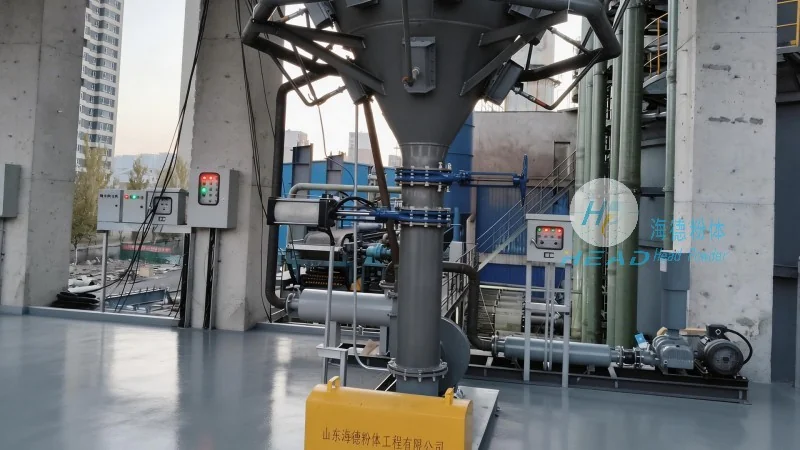
Company Profile: Shandong HeadPowder Engineering Co., Ltd.
HeadPowder, the professional manufacturer of pneumatic conveying systems, is dedicated to providing high-quality equipment for the food processing industry. With years of experience in engineering and manufacturing, the company specializes in customizing solutions tailored to the specific needs of clients. HeadPowder's commitment to innovation and quality ensures that its products meet the stringent standards required for handling sensitive materials like monosodium glutamate. The company's headquarters is located in Shandong, China, where it operates a state-of-the-art production facility equipped with advanced technology and skilled personnel.
Understanding Pneumatic Conveying Systems
Pneumatic conveying systems utilize air or other gases to transport bulk materials, such as powders, through a pipeline network. In the case of monosodium glutamate, these systems are designed to handle the material's hygroscopic and fine particle characteristics. The primary components of a typical pneumatic conveying system include a hopper for material storage, a feeder to control the flow rate, a conveying line with appropriate diameter and length, and a receiver for the discharged material. The system may also incorporate additional components like filters, cyclones, and vacuum or pressure units, depending on the specific application requirements.
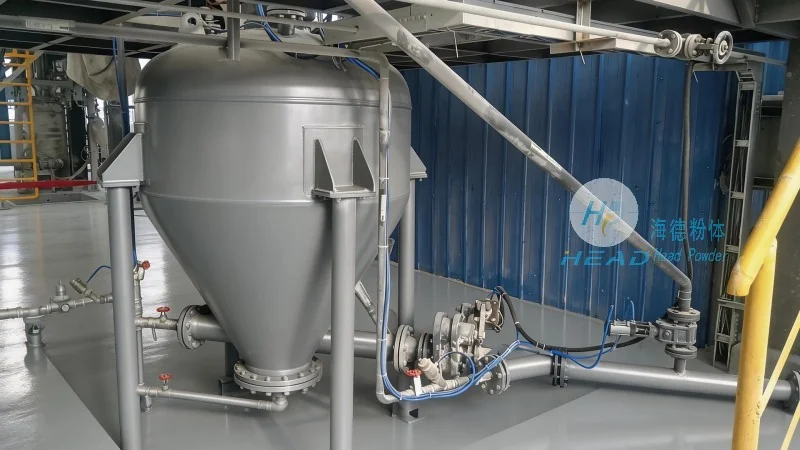
Key Components of the Monosodium Glutamate Pneumatic Conveying System
The monosodium glutamate pneumatic conveying system from HeadPowder is engineered with precision to ensure optimal performance. The system's core components include a stainless steel hopper, which is designed to store the MSG while maintaining hygiene standards. The hopper is equipped with a level indicator and a discharge valve to regulate the material flow. The feeder, typically a rotary valve or a screw feeder, controls the amount of MSG fed into the conveying line, ensuring a consistent and controlled flow. The conveying line is made of high-quality stainless steel or food-grade plastic, chosen for its resistance to corrosion and its ability to prevent contamination. The receiver, where the MSG is deposited, is also constructed from stainless steel and includes a dust collection system to maintain a clean environment.
Working Principle of the Pneumatic Conveying System
The operation of the monosodium glutamate pneumatic conveying system involves the following steps: First, the monosodium glutamate is stored in the hopper. The feeder then releases a controlled amount of the material into the conveying line. Simultaneously, a fan or blower generates a flow of air within the pipeline. The air flow, combined with the material, creates a mixture that is transported through the line to the receiver. The velocity of the air is carefully controlled to ensure that the material particles are carried without causing excessive wear or degradation. The system may operate under pressure (positive pressure) or vacuum (negative pressure), depending on the distance and layout of the conveying line. Positive pressure systems are commonly used for short to medium distances, while vacuum systems are suitable for longer distances or when the material needs to be transported from multiple sources.
Advantages of Using a Pneumatic Conveying System for Monosodium Glutamate
Implementing a pneumatic conveying system for monosodium glutamate offers several advantages over traditional methods like bucket elevators or belt conveyors. Firstly, the system provides a hygienic and dust-free environment, which is critical for food-grade materials. The enclosed pipeline prevents contamination from external sources and minimizes the risk of product degradation. Secondly, the system offers high efficiency in material handling, with the ability to transport large quantities of MSG quickly and reliably. This reduces downtime and increases overall productivity. Thirdly, the system is flexible and can be easily integrated with existing production lines. It can be adjusted to handle varying flow rates and can be expanded or modified as production needs change. Additionally, the system is energy-efficient compared to other bulk material handling methods, contributing to lower operational costs.
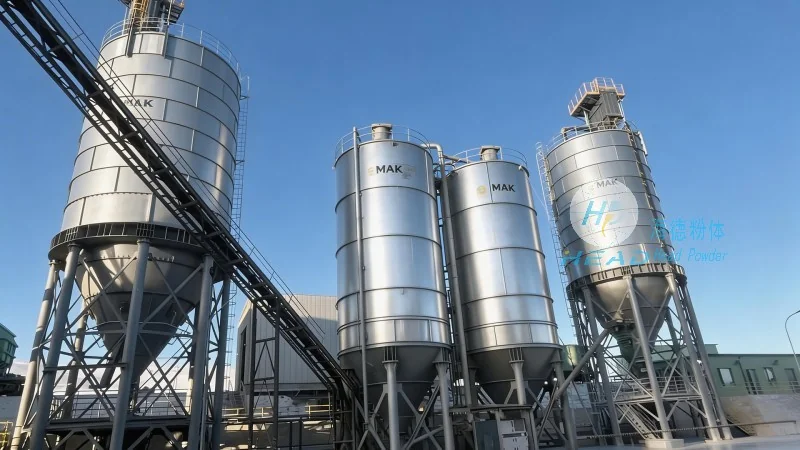
Applications and Customization Options
The monosodium glutamate pneumatic conveying system from HeadPowder is versatile and can be applied in various stages of the food processing industry. It is commonly used in the production of MSG, where the material is transported from the crystallization or drying units to the packaging department. The system can also be used in the handling of other fine powders, such as spices, seasonings, and chemicals, making it a valuable asset in multiple industries. HeadPowder offers customization options to meet the specific requirements of each client. This includes adjusting the conveying line length, modifying the hopper size, and integrating additional features like automatic control systems or monitoring equipment. The company works closely with clients to understand their operational needs and provides tailored solutions that enhance their production processes.
Maintenance and Safety Considerations
Maintaining the monosodium glutamate pneumatic conveying system is essential to ensure its long-term performance and reliability. Regular maintenance activities include cleaning the hopper and conveying line to prevent material buildup, inspecting the feeder and fan for wear and tear, and checking the seals and connections for leaks. The system should be cleaned thoroughly after each use to prevent cross-contamination and to maintain hygiene standards. Safety is a top priority when operating the pneumatic conveying system. Proper training for operators is required to ensure they understand the system's operation and can handle any potential issues. The system should be equipped with safety features like emergency stop buttons and pressure relief valves to prevent accidents. Additionally, regular inspections should be conducted to ensure that all components are in good working condition and that the system is operating within safe parameters.




