For industries dealing with dry powders and particulate materials, efficient material handling is crucial. Pneumatic conveying systems offer a versatile solution that combines performance, reliability, and adaptability. This article explores the working principles and key features of dry powder and particulate pneumatic conveying systems, highlighting how they enhance operational efficiency and process safety.
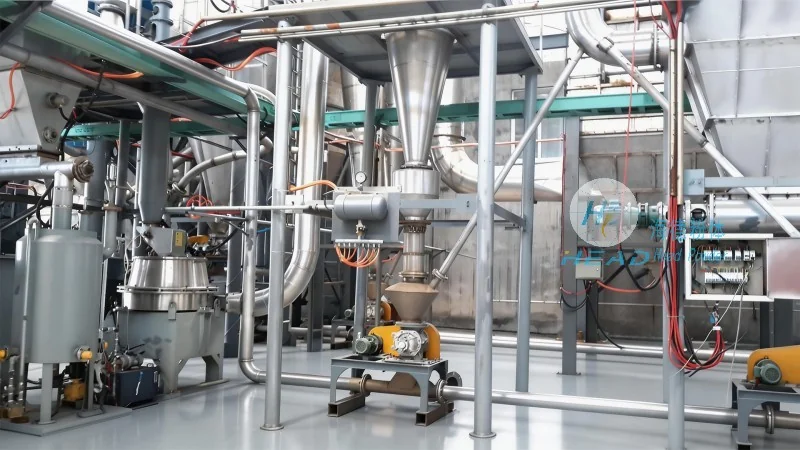
Understanding Pneumatic Conveying Systems
Pneumatic conveying systems utilize compressed air or gas to transport dry powders and particulates from one location to another. These systems are widely used in various industries, including pharmaceuticals, food processing, chemical manufacturing, and mining, due to their ability to handle a wide range of materials while maintaining product integrity.
The Working Principle of Pneumatic Conveying
The core mechanism of a pneumatic conveying system involves the use of air pressure to move material through a pipeline. There are two primary types of pneumatic conveying systems: positive pressure and negative pressure (or vacuum) systems. Positive pressure systems operate by blowing air into the pipeline, pushing the material forward. Negative pressure systems, on the other hand, create a vacuum to draw material into the pipeline.
Within these systems, material is typically introduced into the pipeline at a specific point, often through a hopper or feeder. The air flow then carries the material along the pipeline, with the velocity and pressure maintained to ensure smooth transport. The design of the system, including the size of the pipeline, the type of air mover, and the placement of inlets and outlets, plays a critical role in the efficiency of material transport.
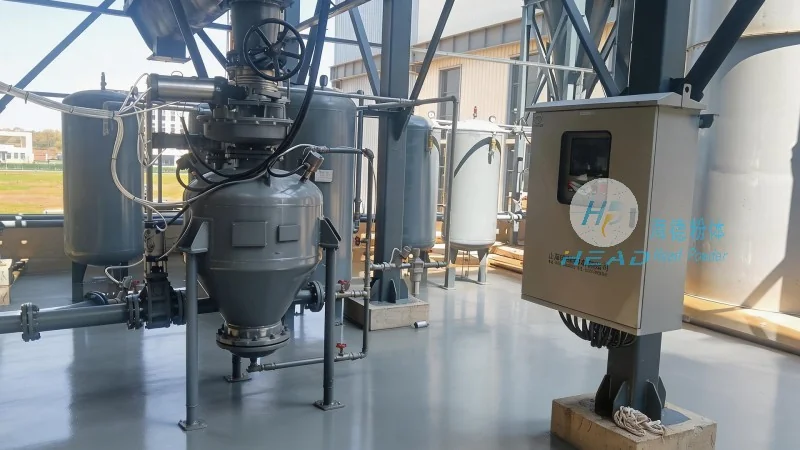
Key Features of Dry Powder and Particulate Pneumatic Conveying Systems
Several key features distinguish effective pneumatic conveying systems for dry powders and particulates. One of the most significant advantages is the ability to handle materials that are difficult to transport using traditional methods, such as those with high moisture content or those that are prone to caking. Pneumatic systems also offer excellent containment, reducing dust emissions and improving workplace safety.
Another important feature is the flexibility of these systems. They can be easily integrated into existing production lines and adapted to handle different material types and flow rates. The systems are also capable of transporting materials over long distances with minimal loss and degradation, making them suitable for large-scale operations.
Additionally, modern pneumatic conveying systems incorporate advanced control technologies, allowing for precise regulation of air flow and material transport. This not only enhances efficiency but also reduces energy consumption and operational costs. The use of high-quality components, such as durable pipelines and efficient air movers, further contributes to the longevity and reliability of the system.
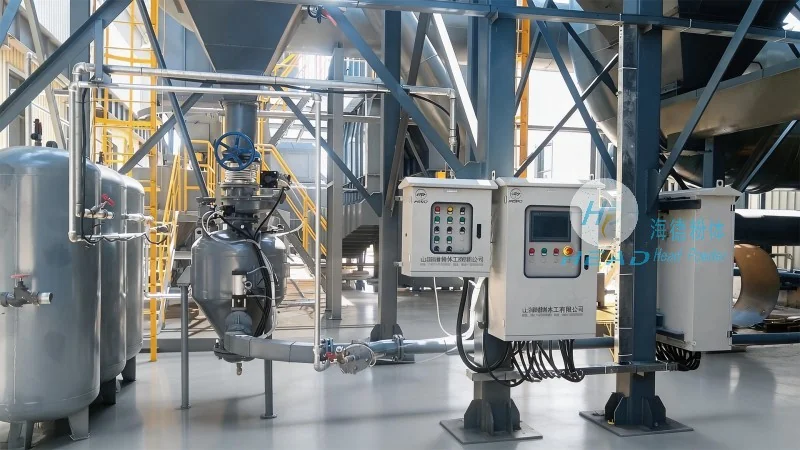
Company Overview: Shandong HeadPowder Engineering Co., Ltd.
Shandong HeadPowder Engineering Co., Ltd., commonly known as HeadPowder, is a leading provider of pneumatic conveying solutions tailored for dry powder and particulate applications. With a strong focus on innovation and customer satisfaction, HeadPowder offers a range of customized systems designed to meet the specific needs of various industries.
HeadPowder’s expertise lies in the design, manufacturing, and installation of advanced pneumatic conveying systems. The company’s team of engineers and technicians work closely with clients to understand their operational requirements and develop solutions that optimize material handling processes. By leveraging cutting-edge technology and rigorous quality control, HeadPowder ensures that its systems deliver consistent performance and reliability.
HeadPowder is committed to providing sustainable and efficient material handling solutions. The company’s products are engineered to minimize environmental impact while maximizing operational efficiency. With a presence in China, HeadPowder serves a wide range of industries, helping businesses enhance their productivity and maintain compliance with industry standards.




