For those in the food processing industry, particularly those handling sesame powder, efficient and reliable material handling systems are crucial. The sesame powder pneumatic conveying system is a specialized solution designed to address the unique challenges associated with transporting fine powders like sesame powder. This article will delve into the working principle and key features of such a system, providing insights into how it operates and why it is a preferred choice for many manufacturers.
Understanding the Working Principle of a Sesame Powder Pneumatic Conveying System
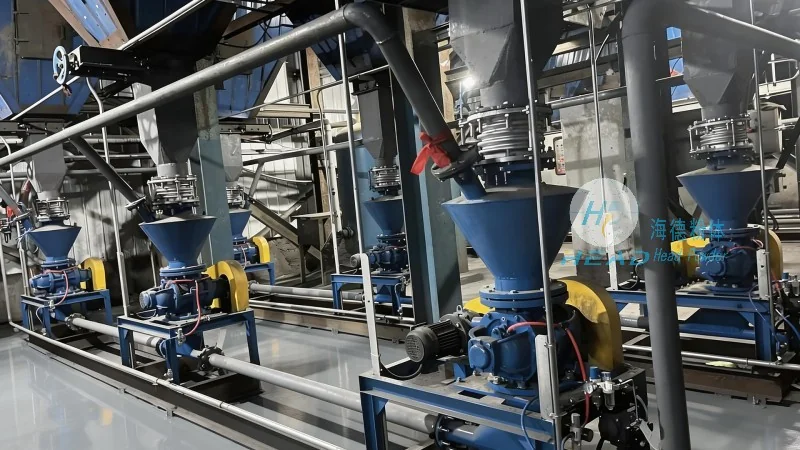
The core of a pneumatic conveying system is the method by which it moves material through a pipeline using air. In the case of a sesame powder system, the process typically begins with the material being fed into a hopper or a feeder. From there, the powder is drawn into a pipeline by a vacuum or pressure source, depending on the system design. The air, which can be either ambient or filtered, carries the powder particles along the pipeline to the destination point, such as a silo, storage tank, or processing unit. The system utilizes a combination of air flow, pressure differentials, and sometimes mechanical components like rotary valves or feeders to ensure consistent and controlled movement of the powder.
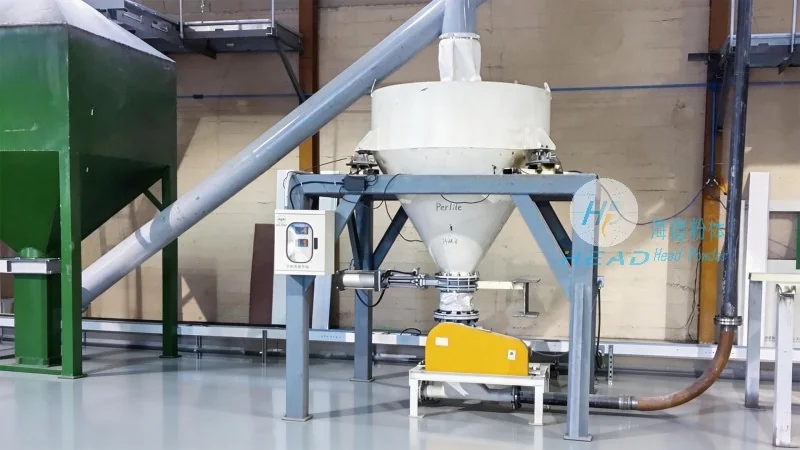
Key components in a typical sesame powder pneumatic conveying system include the feed hopper, which holds the raw sesame powder; the conveying line, which is usually made of stainless steel to prevent contamination and ensure durability; the air mover, which can be a vacuum pump or a positive displacement blower; and the control system, which regulates the air flow and material feed rate. The system operates by creating a pressure differential between the inlet and outlet of the pipeline. When the air mover creates a vacuum, it draws the powder from the hopper into the pipeline. Conversely, a positive pressure system pushes air and powder through the line. The choice between vacuum and pressure depends on factors like the distance to be covered, the volume of material, and the specific characteristics of the powder.
Key Features of a Sesame Powder Pneumatic Conveying System
One of the most significant advantages of a pneumatic conveying system for sesame powder is its ability to handle fine, abrasive powders without causing excessive wear or degradation. The system is designed to minimize particle breakage and maintain the quality of the powder, which is critical for food products. Additionally, the enclosed pipeline design prevents dust contamination and cross-contamination with other materials, ensuring compliance with food safety regulations. This feature is particularly important in industries where hygiene and product purity are paramount.
Another notable feature is the system's flexibility and adaptability. Sesame powder systems can be configured to handle various flow rates and distances, making them suitable for both small-scale operations and large industrial facilities. The modular design allows for easy expansion or integration with existing processing lines. Furthermore, the system operates with minimal maintenance requirements, as the components are designed to withstand the abrasive nature of the powder and the continuous air flow. This reduces downtime and operational costs for the user.
Benefits and Applications in Sesame Processing
The use of a pneumatic conveying system in sesame processing offers several benefits beyond just efficient material handling. By maintaining the integrity of the powder and ensuring a clean, dust-free environment, the system helps preserve the flavor and nutritional value of the sesame. This is essential for manufacturers who aim to produce high-quality sesame products, such as sesame oil, sesame paste, or roasted sesame seeds. The system also contributes to improved workplace safety by eliminating the need for manual handling of powders, reducing the risk of respiratory issues and other health hazards associated with dust exposure.
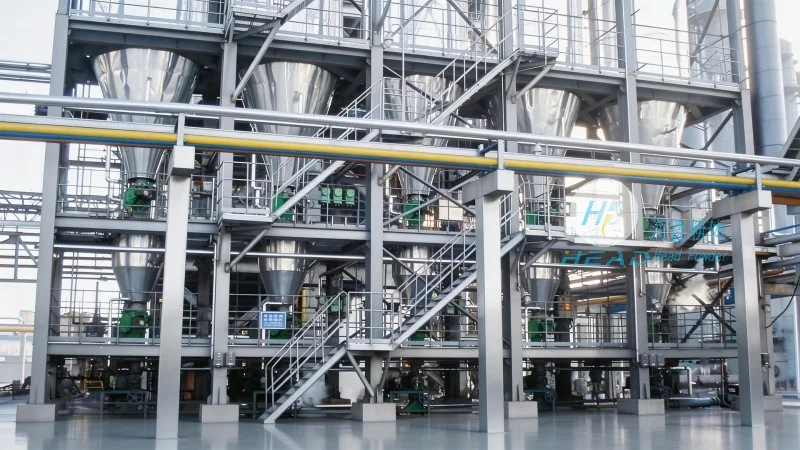
Moreover, the system enhances operational efficiency by automating the material transport process. This automation reduces labor costs and increases throughput, allowing manufacturers to scale their production without compromising on quality or safety. The consistent flow of powder also helps in maintaining stable production rates, which is crucial for meeting market demands and optimizing production schedules.
Conclusion
In summary, the sesame powder pneumatic conveying system is a sophisticated and effective solution for handling fine powders in the food processing industry. Its working principle, which relies on air movement and pressure differentials, ensures efficient and controlled transport of sesame powder. The key features, including its ability to maintain powder quality, ensure hygiene, and adapt to different operational needs, make it a preferred choice for many manufacturers. By understanding these principles and features, businesses can make informed decisions about implementing such systems to enhance their production processes and meet industry standards.




