Pharmaceutical powder pneumatic conveying lines are critical systems in the pharmaceutical manufacturing industry, designed to transport fine powders and granules with high precision and minimal contamination. These systems are essential for ensuring the quality, safety, and efficiency of powder handling processes in pharmaceutical production. The technology behind these lines combines pneumatic principles with advanced engineering to meet stringent regulatory requirements and operational standards.
Key Components of the Pneumatic Conveying System
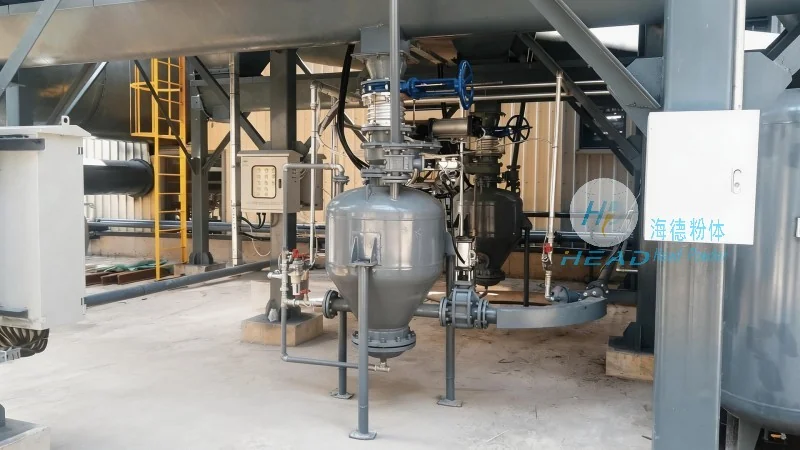
The core components of a pharmaceutical powder pneumatic conveying line include the material feed hopper, the conveying pipeline, the air compressor or blower, the control system, and the discharge unit. Each component plays a vital role in the overall operation. The feed hopper is responsible for storing and feeding the powder into the system, ensuring a consistent flow rate. The pipeline, typically made of stainless steel or other corrosion-resistant materials, transports the powder and air mixture. The air compressor generates the necessary pressure to move the material through the pipeline. The control system monitors and regulates the flow, pressure, and other parameters to maintain optimal performance. The discharge unit collects the powder at the end of the line, ensuring accurate and clean delivery.
Operation Process of the Pharmaceutical Powder Pneumatic Conveying Line
The operation process of a pharmaceutical powder pneumatic conveying line involves several sequential steps. First, the powder is loaded into the feed hopper. The control system then activates the air compressor, which generates the required airflow. The powder is then drawn into the pipeline by the air current, forming a suspension of powder and air. The mixture travels through the pipeline to the discharge point. At the discharge unit, the air is separated from the powder, and the powder is collected in a receiving container. The system continues to operate until the feed hopper is emptied or the desired amount of powder is conveyed. The entire process is automated and can be controlled remotely, ensuring consistent and reliable performance.
Working Principle of the Pneumatic Conveying System
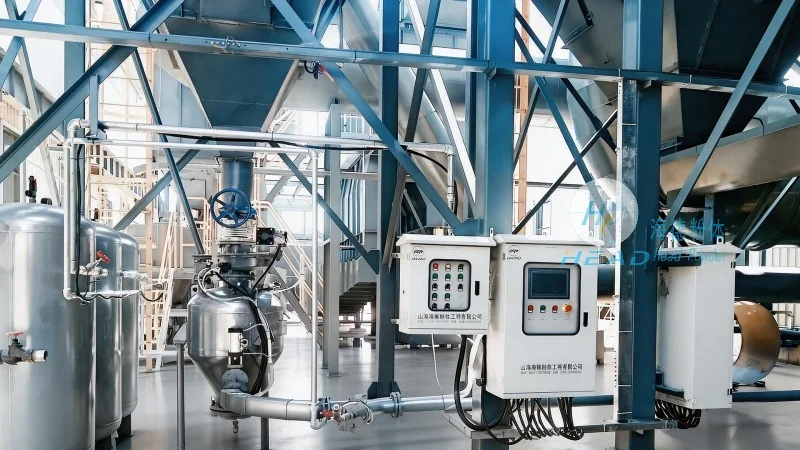
The working principle of a pharmaceutical powder pneumatic conveying line is based on the principle of fluidization and pneumatic transport. When air is introduced into the pipeline at a sufficient velocity, it creates a fluidized bed of powder, allowing the particles to be suspended and transported. The key parameters, such as air velocity, pressure, and flow rate, are carefully controlled to prevent particle agglomeration and ensure smooth transport. The system operates under positive or negative pressure, depending on the application. Positive pressure systems use compressed air to push the powder through the pipeline, while negative pressure systems use suction to draw the powder. The choice of system depends on factors like the powder characteristics, distance of transport, and environmental considerations.
Advantages of Pharmaceutical Powder Pneumatic Conveying Lines
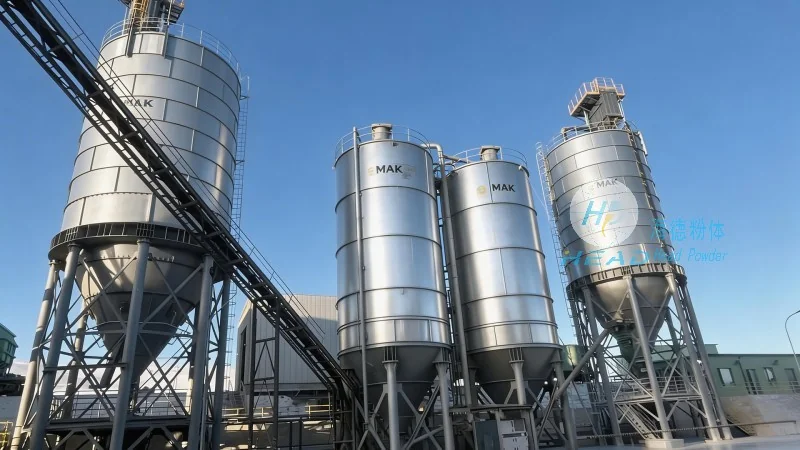
Pharmaceutical powder pneumatic conveying lines offer several advantages over traditional mechanical conveying methods. These include reduced contamination risk, as the system is enclosed and sealed, preventing exposure to external contaminants. The technology also minimizes product degradation due to reduced friction and heat generation. Additionally, the systems are flexible and can be easily adapted to different powder types and production requirements. The automated control systems enhance operational efficiency and reduce labor costs. Furthermore, the systems are compact and can be integrated into existing production lines, making them a cost-effective solution for pharmaceutical manufacturers.
Application Examples in Pharmaceutical Manufacturing
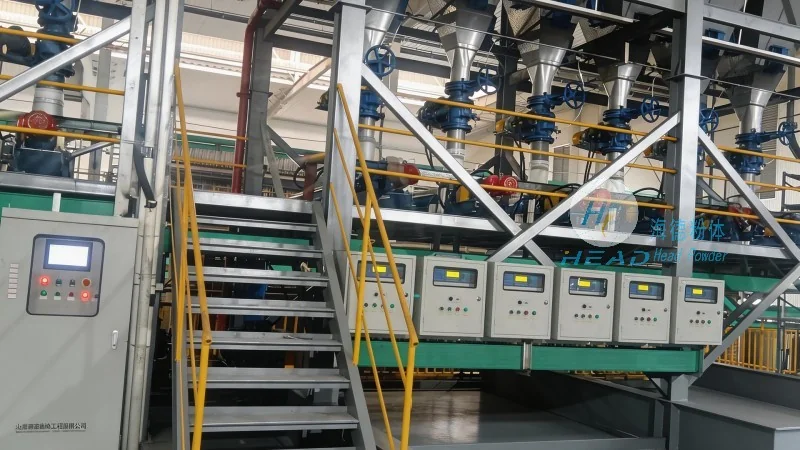
Pharmaceutical powder pneumatic conveying lines are widely used in various applications within pharmaceutical manufacturing. For example, they are used to transport active pharmaceutical ingredients (APIs), excipients, and finished powders between different processing stages. The systems are also employed in the production of tablets, capsules, and other solid dosage forms, where precise powder handling is critical. In the manufacturing of sterile products, the enclosed and sterile design of the conveying lines ensures compliance with GMP (Good Manufacturing Practice) regulations. The technology is also used in the handling of hazardous or sensitive powders, where contamination control is paramount. Overall, the systems contribute to improved product quality, reduced waste, and enhanced operational efficiency in pharmaceutical production.
Company Profile: Shandong HeadPowder Engineering Co., Ltd.
Shandong HeadPowder Engineering Co., Ltd., operating under the brand name headpowder, is a leading manufacturer of pharmaceutical powder pneumatic conveying systems. The company is based in Shandong, China, and specializes in designing, manufacturing, and supplying high-quality conveying solutions tailored to the pharmaceutical industry. With years of experience and expertise, headpowder has developed advanced technologies and innovative solutions to meet the evolving needs of pharmaceutical manufacturers. The company's products are designed to comply with international standards and regulatory requirements, ensuring safety, reliability, and efficiency. headpowder's team of engineers and technicians work closely with clients to understand their specific requirements and provide customized solutions that enhance their production processes. The company's commitment to quality and customer satisfaction has made it a trusted partner in the pharmaceutical industry.




