Tea powder pneumatic conveying systems are specialized equipment designed to transport tea powder efficiently and reliably. These systems are widely used in the tea processing industry to handle the delicate nature of tea powder, ensuring minimal product degradation and maintaining consistent quality. The operation process and working principle of such systems involve several key components and steps that work in harmony to achieve effective material handling.
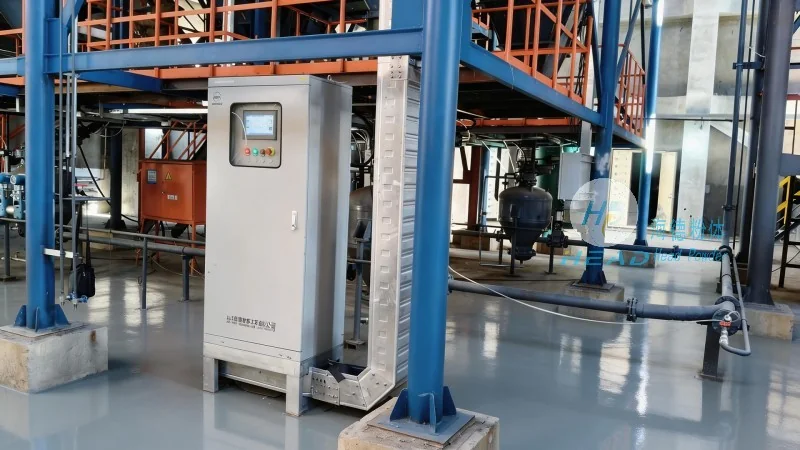
Working Principle of Pneumatic Conveying Systems
The core principle of pneumatic conveying is the use of compressed air or gas to transport solid particles through a pipeline. In the case of tea powder, the system utilizes a combination of positive and negative pressure or a combination of both, depending on the specific design. The process begins with the tea powder being fed into the system via a hopper or feeder. The powder then enters a conveying line where it is carried by the moving air stream. The air flow creates a low-pressure zone that draws the powder particles into the pipeline, and the velocity of the air ensures that the particles remain suspended and move along the pipeline to the destination point.
Key Components and Their Functions
Several critical components make up a typical tea powder pneumatic conveying system. The main components include the material feeder, conveying pipeline, air source (blower or compressor), separation and collection equipment, and control system. The material feeder is responsible for feeding the tea powder into the system at a controlled rate, preventing overloading and ensuring a steady flow. The conveying pipeline is made of materials that are resistant to corrosion and wear, such as stainless steel or special plastics, to handle the abrasive nature of tea powder. The air source provides the necessary pressure and volume of air to move the powder through the pipeline. The separation and collection equipment, such as cyclones or filters, are used to separate the tea powder from the air stream at the end of the conveying line, ensuring that the powder is collected in a clean and dry state. The control system monitors and regulates the operation of the entire system, adjusting parameters like air pressure and flow rate as needed to maintain optimal performance.
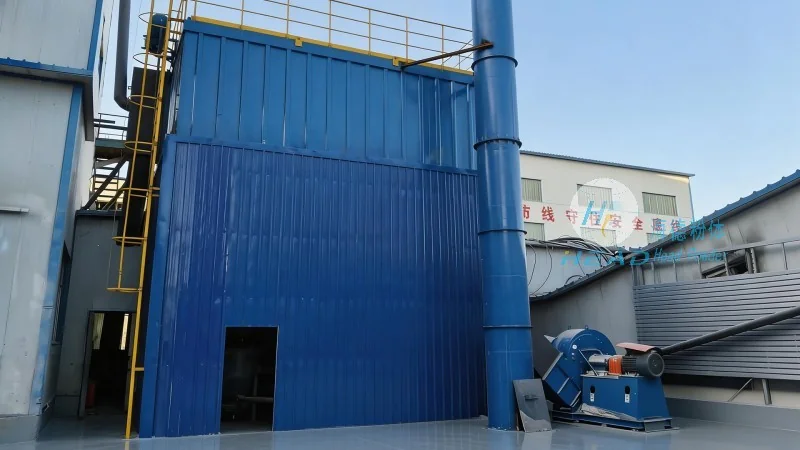
Operation Process: From Start to Stop
The operation of a tea powder pneumatic conveying system typically follows a sequence of steps. First, the system is started by activating the air source and the feeder. The feeder begins to discharge the tea powder into the conveying line, and the air flow is initiated. The powder particles are then drawn into the pipeline and transported to the collection point. The system continues to operate until the required amount of tea powder has been conveyed. To stop the system, the feeder is first turned off to prevent further material from entering, and then the air source is shut down to allow the remaining powder to be collected. Proper shutdown procedures are essential to prevent product loss and maintain system cleanliness.
Advantages of Using Pneumatic Conveying for Tea Powder
Tea powder pneumatic conveying systems offer several advantages over traditional methods like bucket elevators or belt conveyors. These systems are more hygienic and easier to clean, which is crucial for food processing applications. They also provide a more gentle handling of the powder, reducing the risk of particle breakage and maintaining the quality of the tea. Additionally, pneumatic conveying systems can handle a wide range of particle sizes and moisture contents, making them versatile for different types of tea powders. The ability to transport materials over long distances without the need for multiple transfer points also contributes to increased efficiency and reduced downtime.
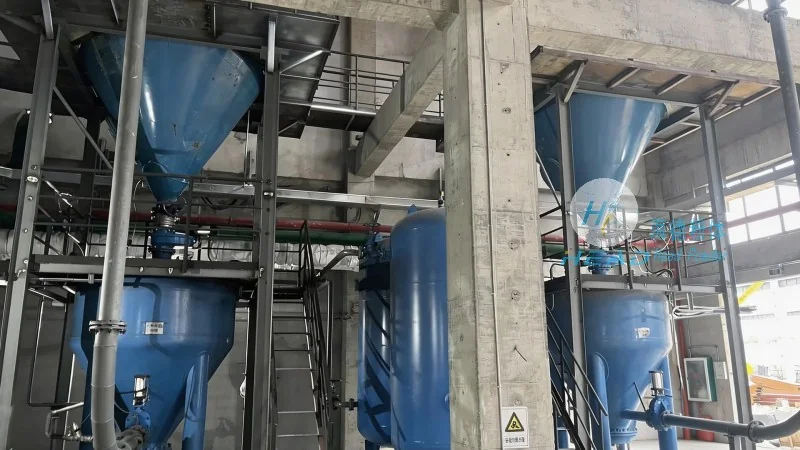
Application in Tea Processing Industry
In the tea processing industry, tea powder pneumatic conveying systems are used in various stages, from the initial processing of raw tea leaves to the final packaging of finished tea powders. They are commonly employed in the drying and grinding stages to transport the freshly ground tea powder to storage silos or packaging lines. The systems are also used in quality control processes, where samples of tea powder are conveyed to testing equipment for analysis. The reliability and efficiency of these systems help tea manufacturers maintain high production standards and meet the demands of the market.
Company Profile: Shandong HeadPowder Engineering Co., Ltd.
Shandong HeadPowder Engineering Co., Ltd., operating under the brand name headpowder, is a leading manufacturer of pneumatic conveying systems for the food and beverage industry. With a focus on innovation and quality, the company has developed advanced tea powder pneumatic conveying systems that meet the highest standards of hygiene and performance. Headpowder's systems are designed to handle the unique challenges of tea powder, such as its fine particle size and potential for caking. The company's team of engineers and technicians work closely with clients to understand their specific needs and provide customized solutions that enhance operational efficiency and product quality. Headpowder's commitment to customer satisfaction and technical excellence has made it a trusted partner for tea processing facilities worldwide.




