Hydrogen chloride (HCl) is a highly corrosive and toxic gas, commonly encountered in chemical manufacturing processes. The safe and efficient handling of HCl powder is paramount for industrial operations, as it necessitates specialized equipment to manage its hazardous properties and ensure operational safety. Pneumatic conveying systems have emerged as a reliable solution for transporting HCl powder from storage to processing units, offering advantages such as reduced personnel exposure and minimized environmental risks. This article provides an overview of the operation process and working principle of a hydrogen chloride powder pneumatic conveying system, highlighting key components, operational steps, and technical aspects that ensure effective and safe material transport.
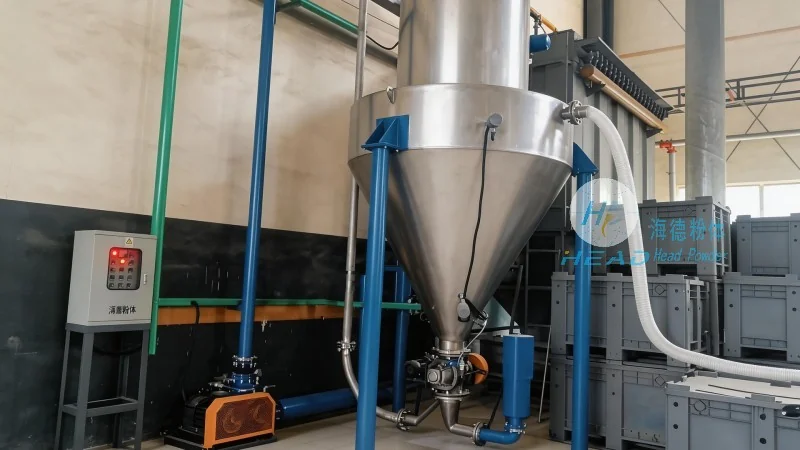
Key Components of the Hydrogen Chloride Powder Pneumatic Conveying System
The hydrogen chloride powder pneumatic conveying system typically comprises several critical components that function in unison to achieve efficient material transport. These components include a material feeder, a conveying line (often equipped with a pressure vessel or receiver), a control system, and a dust collection or filtration unit. The material feeder is responsible for introducing HCl powder into the system at a controlled rate, ensuring a consistent flow of material. The conveying line, which may be a pipeline or flexible hose, transports the powder under pressure, while the pressure vessel or receiver stores the material before transfer to processing equipment. The control system monitors and regulates pressure, flow rate, and other parameters to maintain optimal operation. Additionally, a dust collection or filtration unit is essential to capture fine particles and prevent contamination or environmental release.
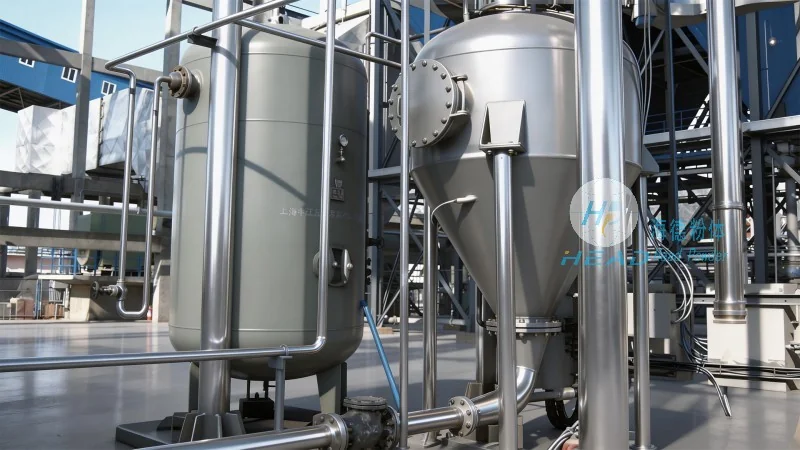
Operation Process of the Hydrogen Chloride Powder Pneumatic Conveying System
The operation of the hydrogen chloride powder pneumatic conveying system follows a systematic process to ensure safe and efficient material transport. The process begins with the preparation of HCl powder, which is typically stored in a sealed container to prevent exposure to air and moisture. The material feeder then dispenses the powder into the conveying line at a controlled rate, based on the required flow rate for the downstream processing unit. The conveying line is pressurized with air or another suitable gas, creating a flow that propels the HCl powder through the system. The pressure vessel or receiver collects the powder as it travels through the line, maintaining consistent pressure and preventing backflow. The control system continuously monitors pressure and flow rate, adjusting the air supply as needed to maintain optimal conditions. Once the powder reaches the processing unit, it is discharged and used in the manufacturing process. The system also includes safety features such as pressure relief valves and emergency shut-off mechanisms to prevent accidents and ensure personnel safety.
Working Principle of the Hydrogen Chloride Powder Pneumatic Conveying System
The working principle of the hydrogen chloride powder pneumatic conveying system is based on the principle of fluidization and pneumatic transport. The system uses a gas stream (usually air) to create a fluidized bed of HCl powder, allowing the material to be transported through the conveying line. The pressure difference between the inlet and outlet of the system drives the flow of the powder and gas mixture. The material feeder introduces the powder into the conveying line, and the gas stream lifts and transports the particles through the pipeline. The pressure vessel or receiver maintains system pressure, ensuring smooth material flow. The control system regulates air pressure and flow rate to sustain desired pressure and flow rate, ensuring efficient and safe powder transport. The dust collection or filtration unit captures fine particles carried by the powder, preventing contamination and environmental release.
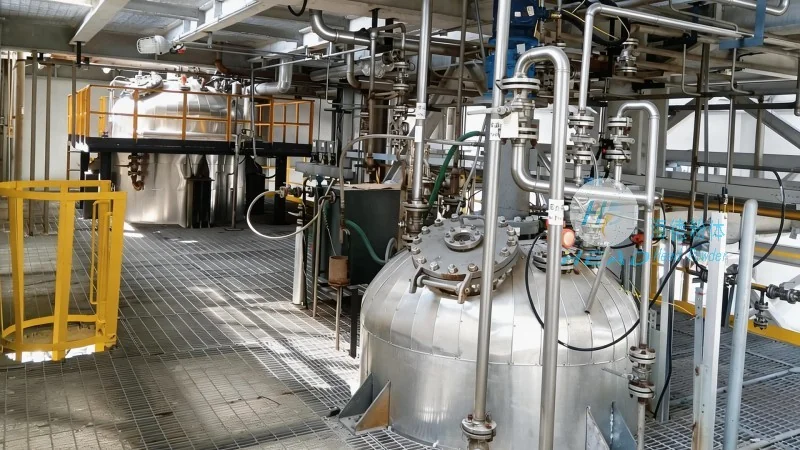
Advantages of the Hydrogen Chloride Powder Pneumatic Conveying System
The hydrogen chloride powder pneumatic conveying system offers several advantages over traditional material handling methods. One key advantage is the reduction in exposure to HCl powder for personnel, as the system is enclosed and operates under pressure, minimizing inhalation or contact risks. Additionally, the system reduces environmental contamination risk, as the powder is contained within the conveying line and not released into the environment. The system also enhances efficiency and productivity, transporting large quantities of HCl powder quickly and reliably. Furthermore, the system is easy to maintain and operate, with minimal downtime required for maintenance. The use of a pneumatic conveying system also reduces the need for manual handling of HCl powder, which can be hazardous and time-consuming.




