

Working Principle and Features of Phosphorus Pentachloride Pneumatic Conveying Line
Phosphorus pentachloride (PCl5) is a critical chemical intermediate widely used in the production of various pharmaceuticals, agrochemicals, and specialty chemicals. The efficient and safe handling of PCl5 is essential due to its high reactivity and potential hazards during transportation. Pneumatic conveying systems have emerged as a reliable solution for transporting PCl5, offering advantages over traditional methods like bulk handling and mechanical conveying. This article explores the working principle and key features of a phosphorus pentachloride pneumatic conveying line, highlighting its operational efficiency and safety considerations.
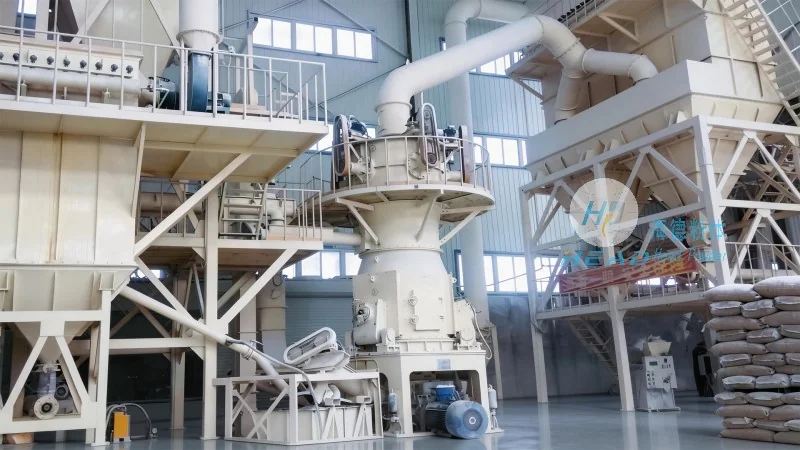
Company Introduction: Shandong HeadPowder Engineering Co., Ltd.
HeadPowder, a leading engineering firm based in Shandong, China, specializes in the design, manufacturing, and installation of advanced pneumatic conveying systems. With years of experience in handling hazardous and high-value chemicals, HeadPowder has developed state-of-the-art solutions tailored to the unique requirements of PCl5 processing. The company's expertise in material handling technology ensures that their pneumatic conveying lines are optimized for performance, reliability, and safety, meeting the stringent standards of the chemical industry.
Working Principle of Phosphorus Pentachloride Pneumatic Conveying Line
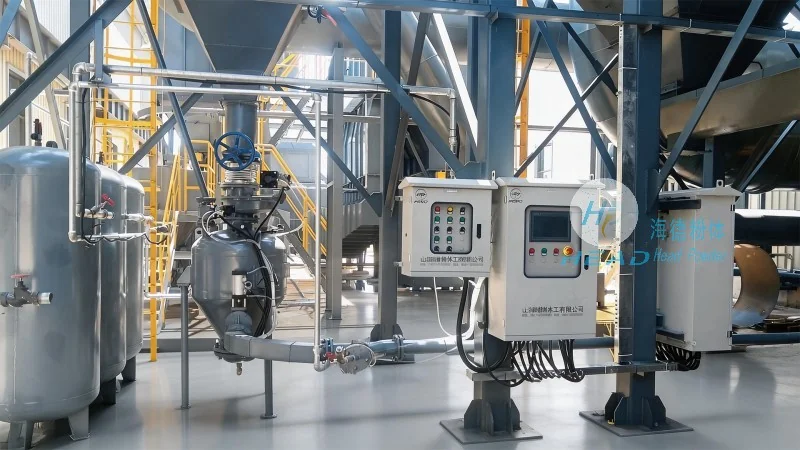
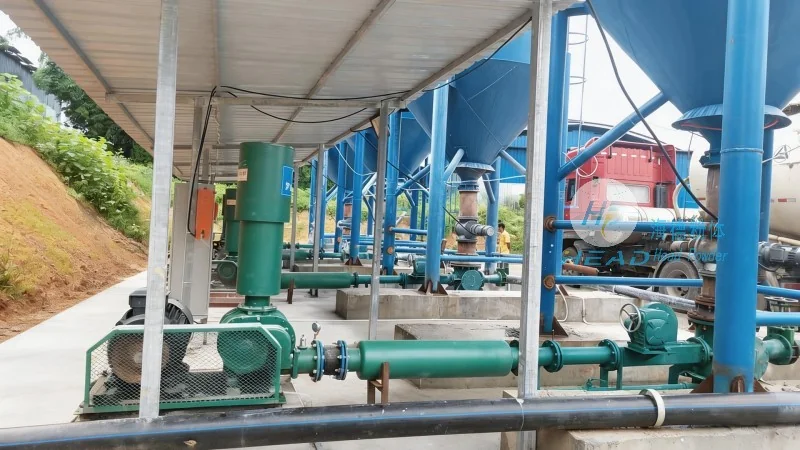
The working principle of a phosphorus pentachloride pneumatic conveying line revolves around the use of air or gas as the conveying medium to transport the solid PCl5 particles. The system typically operates under either positive pressure or negative pressure, depending on the specific design and application requirements. In a positive pressure system, compressed air is introduced into the conveying line, creating a pressure higher than the ambient air pressure. This pressure forces the PCl5 particles and air mixture through the pipeline to the destination. The positive pressure system is often used for long-distance or high-capacity conveying, as it can maintain consistent flow and pressure. In a negative pressure system, the air is drawn from the pipeline, creating a vacuum that pulls the PCl5 particles into the line. This system is commonly used for shorter distances or when the material is sensitive to high pressure. The PCl5 is first introduced into a hopper or feeder, where it is metered and then fed into the conveying line. The feeder may be a rotary valve or a screw feeder, which controls the flow rate of the PCl5. The air stream is generated by a blower or compressor, which provides the necessary pressure or vacuum. The air and PCl5 particles are mixed in a venturi or a pipeline section, where the air velocity is sufficient to lift and carry the particles. The conveying velocity is typically maintained at a level that ensures the particles are fully suspended and transported without settling or clogging. The system may include a series of pipeline sections, bends, and fittings that are designed to minimize pressure loss and maintain the flow. At the receiving end, a cyclone separator or a filter is used to separate the PCl5 particles from the air stream. The cyclone uses centrifugal force to separate the particles from the air, while the filter captures any fine particles. The separated PCl5 is then collected in a storage bin or a processing unit. The air, now filtered, is discharged to the atmosphere or recirculated if necessary. The entire process is controlled by a programmable logic controller (PLC) or a distributed control system (DCS), which monitors and adjusts the parameters such as air flow, pressure, and material feed to maintain optimal performance. The system may also include safety features like pressure relief valves and emergency shutdown switches to prevent overpressure or other hazards.
Key Features of Phosphorus Pentachloride Pneumatic Conveying Line
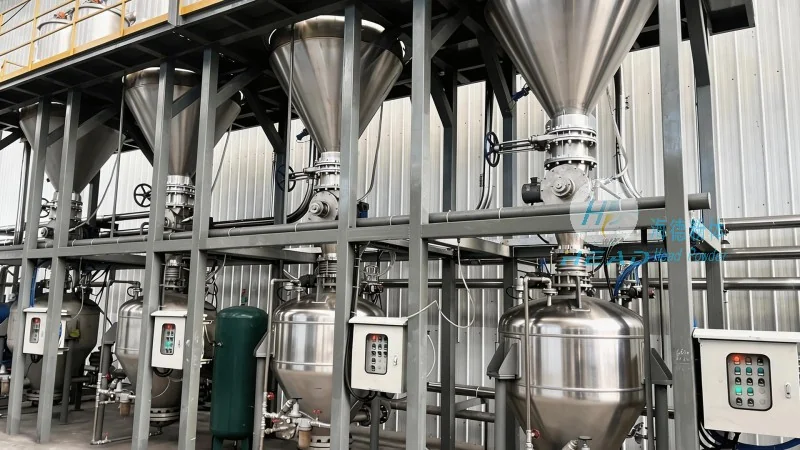
The phosphorus pentachloride pneumatic conveying line offered by Shandong HeadPowder Engineering Co., Ltd. incorporates several advanced features that enhance its functionality and reliability. One of the primary features is the use of corrosion-resistant materials, such as stainless steel or specialized alloys, to withstand the chemical properties of PCl5 and prevent material degradation or contamination. The system is designed with explosion-proof and fire-resistant components to address the safety concerns associated with handling hazardous chemicals. Advanced control systems are integrated to regulate the air flow, pressure, and material feed, ensuring precise and stable operation. The conveying line may also include features like variable speed drives and pressure sensors to optimize performance and prevent overloading. Additionally, the system is equipped with safety interlocks and emergency shutdown mechanisms to protect personnel and equipment in case of malfunctions. The modular design of the system allows for easy installation, maintenance, and expansion, making it adaptable to different production scales and requirements. The use of high-efficiency cyclones and filters ensures minimal material loss and clean air discharge, reducing environmental impact and operational costs. Overall, the phosphorus pentachloride pneumatic conveying line provides a cost-effective and efficient solution for handling PCl5, combining safety, reliability, and operational efficiency.