HeadPowder, a prominent manufacturer based in Shandong, China, specializes in the development and production of advanced powder handling equipment. The sponge sand powder conveying system is a specialized device designed to efficiently transport abrasive and high-density materials like sponge sand. This system is widely used in industries such as foundries, construction, and manufacturing, where reliable and consistent material transport is critical for process efficiency. This article delves into the operational process and working principles of the sponge sand powder conveying system, providing a comprehensive understanding of how it functions and its key components.
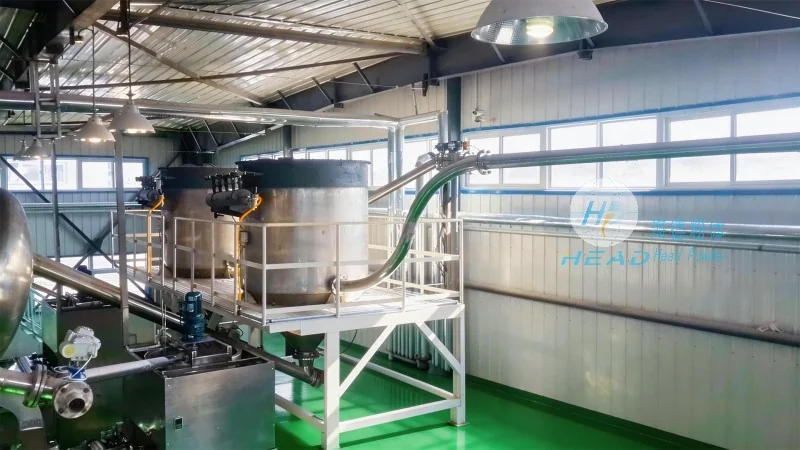
Key Components and Their Functions
The sponge sand powder conveying system comprises several essential components that work together to ensure smooth material transport. The primary components include the material hopper, feeder, conveyor mechanism, control system, and discharge valve. The material hopper serves as the initial storage container, holding the sponge sand powder in bulk. It is typically designed with a wide opening to facilitate easy loading and a smooth interior to prevent material buildup. The feeder, often a rotary valve or a vibratory feeder, regulates the flow of powder from the hopper into the conveyor. This component ensures a consistent feed rate, preventing overloading or underfeeding that could disrupt the system's operation. The conveyor itself is the core of the system, responsible for moving the powder from the feeding point to the discharge point. Depending on the material characteristics and application requirements, different conveyor types may be employed, such as screw conveyors for solid, free-flowing materials or pneumatic conveyors for dusty or fine powders. The control system manages the operation of all components, monitoring parameters like pressure, flow rate, and temperature to maintain optimal performance. It also includes safety features to prevent system failures or accidents. Finally, the discharge mechanism, which may be a rotary valve or a slide gate, controls the release of the powder from the conveyor to the next processing stage, ensuring precise and controlled discharge.
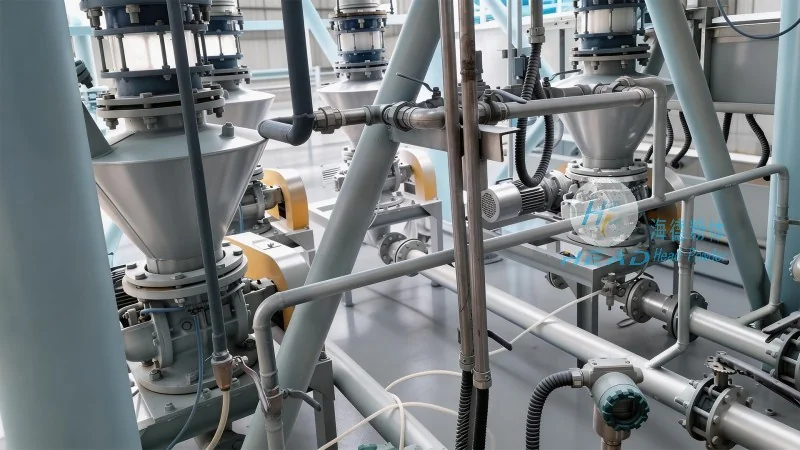
Step-by-Step Operation Process
The operation of the sponge sand powder conveying system follows a systematic sequence of steps, each designed to ensure efficient and reliable material transport. The process begins with the loading of the sponge sand powder into the hopper. The material is then fed from the hopper into the conveyor through the feeder. The conveyor then transports the powder to the discharge point. The control system continuously monitors the system's performance, adjusting the feed rate or conveyor speed as needed to maintain a stable flow. This real-time monitoring ensures that the system operates within safe and efficient parameters, preventing issues such as blockages or overloading. Once the powder reaches the discharge point, it is released through the discharge mechanism and directed to the next stage of the process, such as a molding machine or a storage silo. The entire process is automated, with the control system managing all operations, reducing the need for manual intervention and improving overall process consistency.
Working Principle Explained
The working principle of the sponge sand powder conveying system is based on the principles of mechanical transport and, in some cases, pneumatic pressure. The system utilizes a combination of rotational force and pressure differentials to move the powder. The hopper provides a storage space for the material, while the feeder regulates the flow rate. The conveyor then uses a rotating screw or a pneumatic pressure gradient to move the powder forward. The control system ensures that the system operates within safe and efficient parameters, preventing issues such as blockages or overloading. The discharge mechanism then releases the powder at the desired location. This integrated approach allows for the reliable and consistent transport of sponge sand powder, making it suitable for various industrial applications. The system's design minimizes material degradation and dust generation, which is crucial for maintaining product quality and a safe working environment. Additionally, the system's modular design allows for easy integration into existing production lines, making it a versatile solution for different industrial needs.
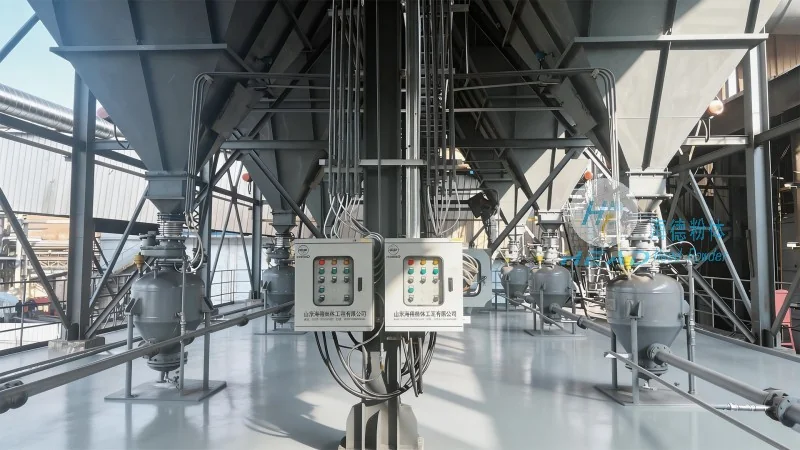
Benefits and Applications
HeadPowder's sponge sand powder conveying system offers several advantages over traditional conveying methods. One of the key benefits is its ability to handle abrasive and high-density materials without causing significant wear and tear on the equipment. The system is also designed to minimize dust generation, which is essential for maintaining a clean and safe working environment. The automated control system ensures consistent performance and reduces labor costs by minimizing the need for manual intervention. The system's modular design allows for easy integration into existing production lines, making it a flexible solution for various industrial applications. The system is widely used in foundries for transporting sponge sand to molding machines, in construction for handling sand in concrete mixing processes, and in manufacturing for material transport in various production lines. Its reliability and efficiency make it an indispensable tool for industries that rely on consistent and high-quality material transport.




