Shandong HeadPowder Engineering Co., Ltd., commonly known as HeadPowder, is a professional manufacturer specializing in the design, production, and installation of advanced powder conveying systems. Based in Shandong, China, the company leverages years of industry experience to deliver efficient and reliable solutions for handling bulk materials like rice husk ash. This article provides a detailed overview of the operation process and working principle of a typical rice husk ash powder conveying line, highlighting key components, operational steps, and technical considerations.
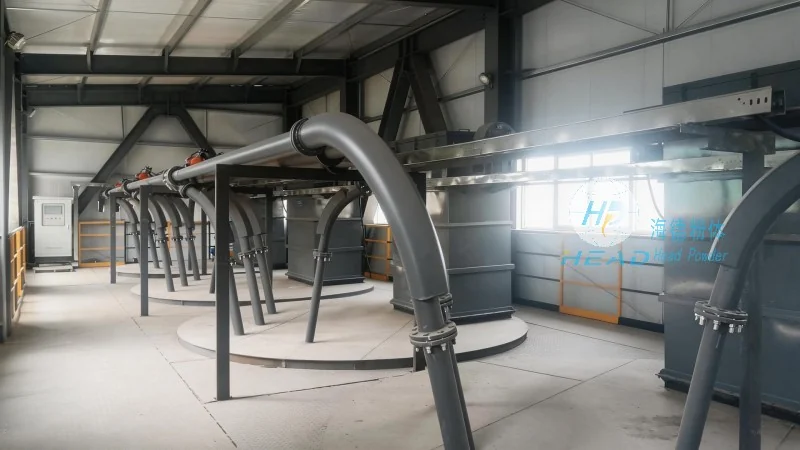
Key Components of the Conveying System
The rice husk ash powder conveying line typically consists of several core components that work in tandem to ensure smooth material transport. These include a hopper for material storage, a feeder to control the flow rate, a conveyor (such as a screw or pneumatic conveyor), a dust collection system, and a control panel for monitoring and operation. Each component plays a critical role in maintaining the efficiency and safety of the entire system.
Operation Process of the Conveying Line
The operation of the rice husk ash powder conveying line begins with material loading into the hopper. The hopper is designed to hold a sufficient quantity of rice husk ash, ensuring a continuous supply to the feeder. The feeder, often a rotary valve or a screw feeder, regulates the material flow from the hopper to the conveyor. This controlled discharge prevents overloading and maintains a steady flow rate, which is crucial for consistent conveying performance.
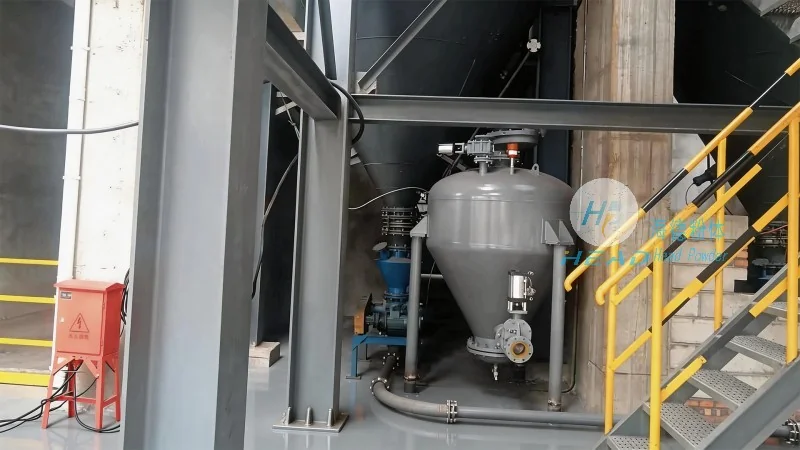
Once the material reaches the conveyor, it is transported to the desired destination, such as a storage silo or processing unit. The conveyor system may be a screw conveyor, which uses rotating screws to move the powder, or a pneumatic conveyor, which utilizes air pressure to transport the material through a pipeline. The choice of conveyor type depends on factors like material characteristics, distance, and required flow rate. For rice husk ash, which is a fine powder, a screw conveyor is often preferred due to its ability to handle dry, free-flowing materials without generating excessive dust.
Working Principle of the Conveying System
The working principle of the rice husk ash powder conveying line is based on the principles of mechanical or pneumatic transport. In a mechanical conveyor system, the screw or auger rotates, creating a spiral path that propels the material forward. The rotation speed and pitch of the screw determine the conveying capacity and pressure drop. The feeder ensures that the material is fed at a consistent rate, preventing blockages and maintaining uniform flow. The hopper, equipped with a discharge gate, controls the material level and prevents overfilling.
In a pneumatic conveying system, the material is suspended in a stream of air and transported through a pipeline. The system includes a blower or compressor that generates the necessary air pressure, a material feed hopper, and a receiver where the material is collected. The air flow rate and pressure are critical parameters that affect the conveying efficiency and energy consumption. For rice husk ash, which is a light and fine powder, pneumatic conveying can be an effective option, especially for long-distance transport or when the material needs to be transported through multiple stages.
Control and Monitoring Systems
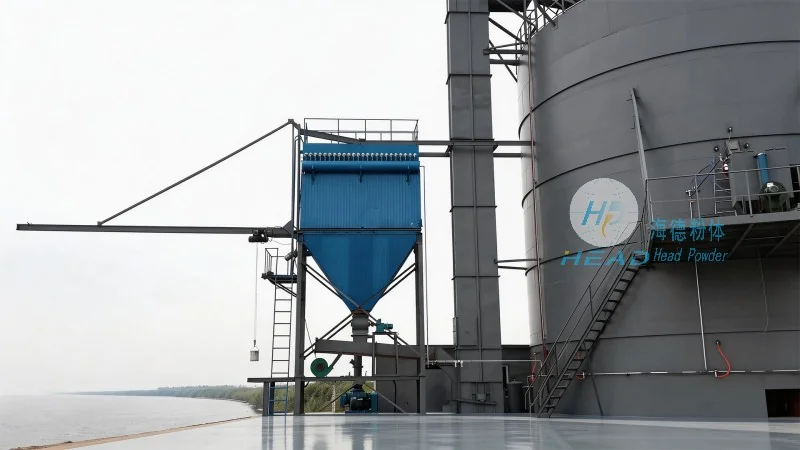
Modern rice husk ash powder conveying lines are equipped with advanced control and monitoring systems to ensure optimal performance and safety. The control panel typically includes sensors for detecting material levels, flow rates, and pressure, as well as alarms and indicators for abnormal conditions. These systems allow operators to monitor the entire process in real-time and take corrective actions if necessary. For example, if the material level in the hopper is low, the system can trigger an alert to refill the hopper. Similarly, if the conveyor is overloaded or the pressure drops, the system can automatically adjust the feeder speed or air flow to prevent damage to the equipment.
Benefits and Applications
The rice husk ash powder conveying line offers several benefits, including high efficiency, low maintenance, and minimal material loss. The system is designed to handle large quantities of rice husk ash, making it suitable for industrial applications such as power plants, cement production, and chemical processing. The controlled flow rate and dust collection system also help to reduce environmental impact by minimizing dust emissions. Additionally, the modular design of the system allows for easy expansion or modification to meet changing production needs.




