At Shandong HeadPowder Engineering Co., Ltd., we specialize in the design and implementation of efficient powder conveying systems, particularly for ferrous sulfate. This article provides a detailed overview of the operation process and working principles of our ferrous sulfate powder conveying system, ensuring clarity for professionals in the field.
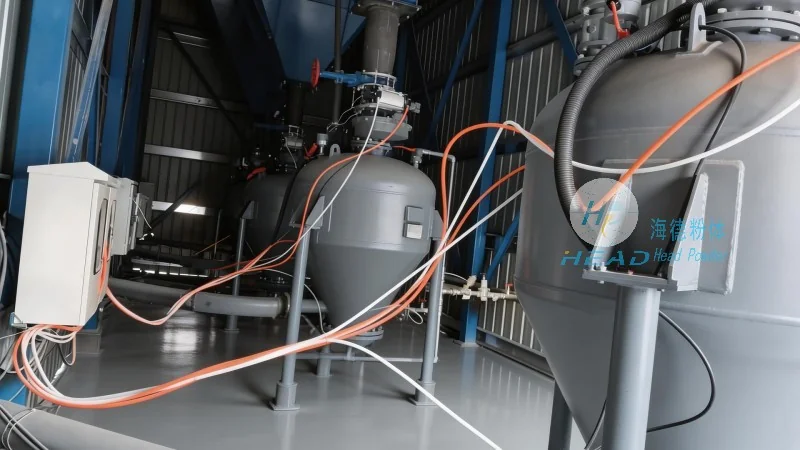
Key Components of the Ferrous Sulfate Powder Conveying System
The ferrous sulfate powder conveying system is composed of several critical components that work in tandem to ensure smooth and reliable material transport. These components include feed hoppers, screw conveyors, pneumatic conveying lines, and control panels. Each component plays a vital role in the overall functionality of the system.
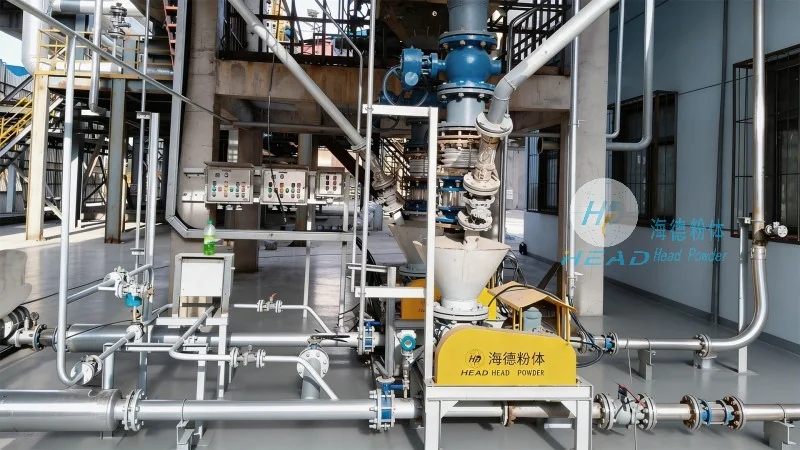
Operation Process of the Ferrous Sulfate Powder Conveying System
The operation process of the ferrous sulfate powder conveying system begins with the loading of ferrous sulfate powder into the feed hopper. The feed hopper is designed to store the powder and regulate the flow rate, preventing overloading and ensuring consistent material delivery. Once the powder is in the hopper, it is transferred to the screw conveyor, which uses rotating screws to move the material forward. The screw conveyor is equipped with variable speed drives, allowing for precise control over the conveying speed and capacity. After the powder passes through the screw conveyor, it is then transferred to the pneumatic conveying line. The pneumatic system uses compressed air to transport the powder through the pipeline, utilizing a series of cyclones and filters to separate the powder from the air and ensure clean material delivery.
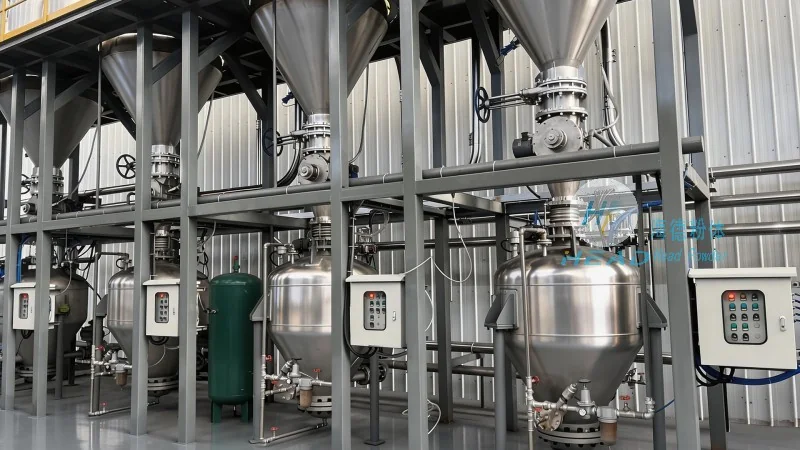
Working Principle of the Ferrous Sulfate Powder Conveying System
The working principle of the ferrous sulfate powder conveying system is based on the combination of mechanical and pneumatic forces. The mechanical component, such as the screw conveyor, provides the primary force to move the powder through the system. The pneumatic component, on the other hand, uses compressed air to assist in the transport, especially for longer distances or when dealing with fine powders. The system is designed to handle the specific properties of ferrous sulfate, such as its density and flow characteristics, ensuring efficient and safe operation. The control panel monitors all aspects of the system, including flow rates, pressure, and temperature, providing real-time feedback and allowing for adjustments as needed.
Advantages of the Ferrous Sulfate Powder Conveying System
Our ferrous sulfate powder conveying system offers several advantages over traditional methods of powder transport. The system is highly efficient, with minimal material loss and low energy consumption. It is also designed for easy maintenance and cleaning, reducing downtime and operational costs. The system is capable of handling a wide range of powder sizes and flow rates, making it versatile for various industrial applications. Additionally, the system is equipped with safety features, such as dust collection and explosion-proof designs, ensuring a safe working environment.
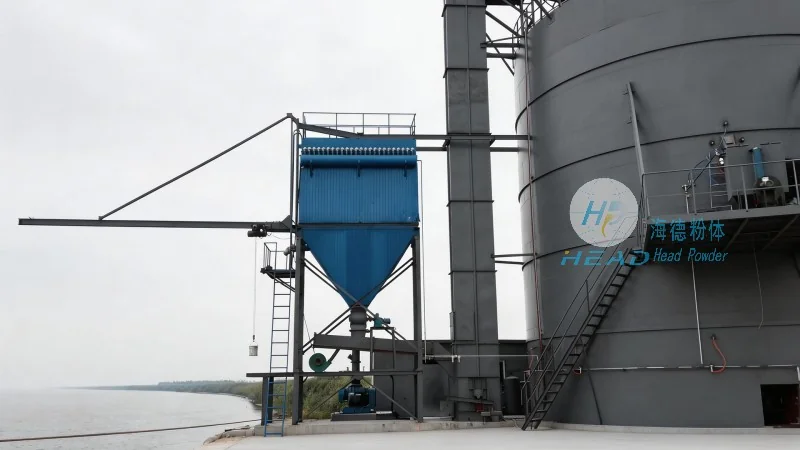
Applications and Industries
The ferrous sulfate powder conveying system is widely used in various industries, including water treatment, agriculture, and chemical manufacturing. In water treatment, ferrous sulfate is used as a coagulant to remove impurities from water. The conveying system ensures that the ferrous sulfate is delivered to the treatment plant in a controlled manner, maintaining the quality of the water. In agriculture, ferrous sulfate is used as a fertilizer to provide iron to plants. The system is used to transport the fertilizer to the fields, ensuring uniform distribution. In chemical manufacturing, ferrous sulfate is used as an intermediate in the production of other chemicals. The system is used to transport the material to the production lines, ensuring a steady supply.




