

What is an Organic Fertilizer Powder Pneumatic Conveying Line? And What Are Its Design Principles?
Organic fertilizer powder pneumatic conveying lines are specialized systems designed to transport organic fertilizer powders efficiently and safely. These systems are crucial in the agricultural and fertilizer production industries, enabling the movement of bulk organic fertilizer materials from storage to processing or application areas. The design of such lines is tailored to handle the unique properties of organic fertilizers, which often include high moisture content, variable particle sizes, and potential for dust generation. By leveraging pneumatic conveying technology, these systems offer a non-contact, hygienic, and energy-efficient method for material handling.
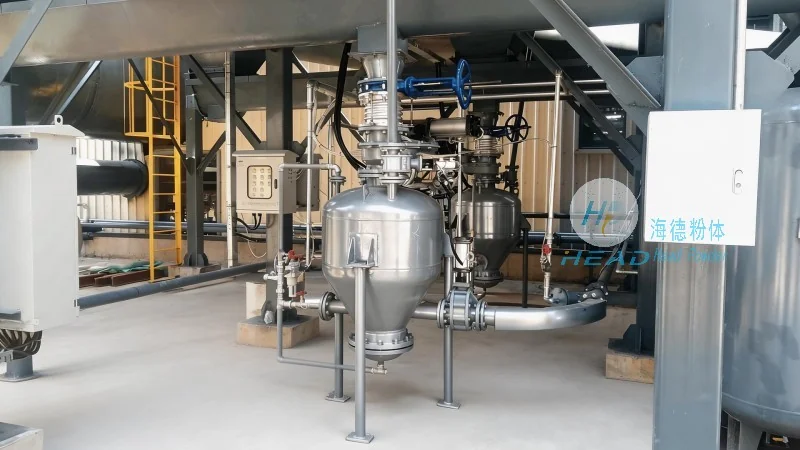
Key Design Principles of Organic Fertilizer Powder Pneumatic Conveying Systems
The design of organic fertilizer powder pneumatic conveying lines is guided by several critical principles to ensure optimal performance and reliability. First, the system must accommodate the specific physical and chemical characteristics of organic fertilizers. This includes considering factors like particle size distribution, moisture content, and flowability, as these properties directly impact the conveying velocity and pressure requirements. Second, the design emphasizes energy efficiency and cost-effectiveness. Engineers optimize the system to minimize energy consumption while maintaining the required conveying capacity. Third, the system is built with durability and ease of maintenance in mind, as organic fertilizers can be abrasive and may cause wear on components. Additionally, safety and environmental considerations are paramount, ensuring that the system operates without releasing harmful dust or emissions into the environment.
Components and Working Principle of the Pneumatic Conveying Line
An organic fertilizer powder pneumatic conveying line typically consists of several key components, each playing a vital role in the overall operation. The primary components include a hopper or storage silo for holding the organic fertilizer, a feeder (such as a rotary valve or screw feeder) to control the flow of material into the conveying line, a pipeline system (usually made of stainless steel or other corrosion-resistant materials to withstand the acidic or alkaline nature of organic fertilizers), a blower or compressor to generate the air pressure, and a receiver or discharge hopper at the destination. The working principle involves the feeder releasing the organic fertilizer into the pipeline, where it is mixed with air from the blower. The air-fertilizer mixture is then propelled through the pipeline to the receiving hopper. The air is typically filtered and recycled to minimize energy waste and environmental impact.
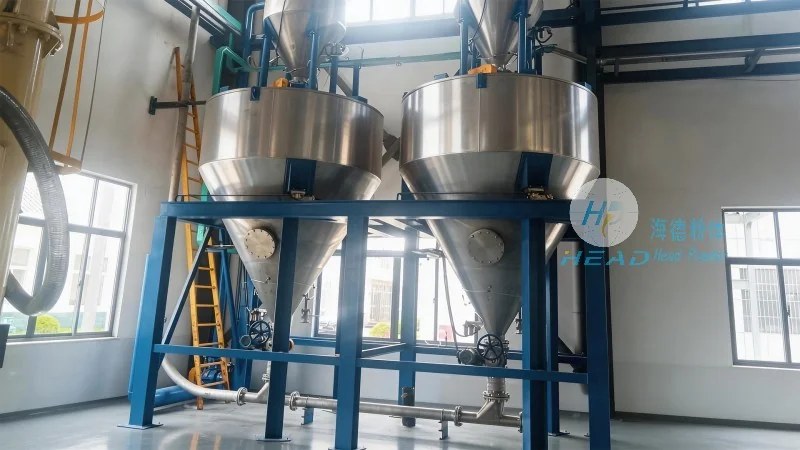
Advantages of Using Organic Fertilizer Powder Pneumatic Conveying Lines
Implementing organic fertilizer powder pneumatic conveying lines offers numerous advantages over traditional mechanical conveying methods. One of the most significant benefits is the non-contact handling of materials, which prevents contamination and ensures product purity. This is particularly important for organic fertilizers, which are often used in agricultural applications where product quality is critical. Additionally, pneumatic conveying systems are highly flexible, allowing for changes in the conveying route or capacity without major modifications. They also provide better control over the material flow, reducing the risk of clogging or blockages that are common in mechanical systems. Furthermore, these systems are more energy-efficient compared to traditional methods, as they can transport materials over longer distances with less energy consumption. Finally, the hygienic design of the system, with smooth surfaces and minimal dead zones, makes it easier to clean and maintain, reducing downtime and operational costs.
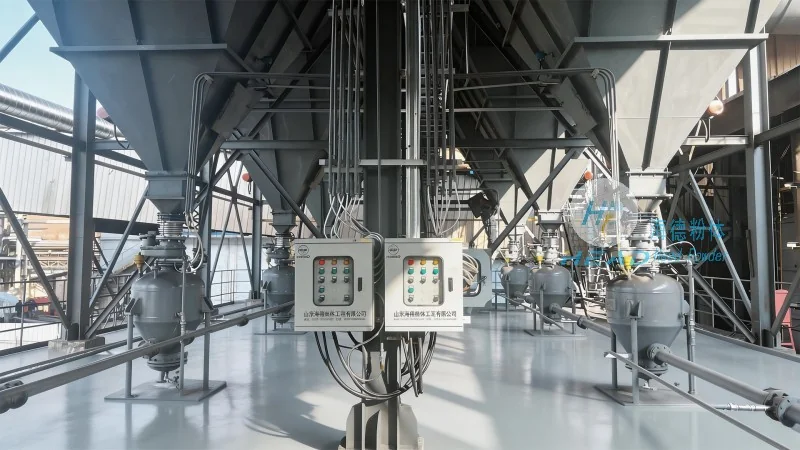
Applications and Industries Served by the System
Organic fertilizer powder pneumatic conveying lines are widely used in various industries related to organic fertilizer production and distribution. These systems are commonly employed in fertilizer manufacturing plants to transport raw organic materials from storage to processing units, such as granulation or compaction equipment. They are also used in bulk handling facilities to move finished organic fertilizers from production lines to storage silos or loading areas for distribution. Additionally, the systems are utilized in agricultural settings, such as on-farm storage and application equipment, where they help in the efficient transfer of organic fertilizers from storage to application machinery. The versatility of these lines makes them suitable for a range of organic fertilizer types, including compost, manure, and other organic byproducts.
Customization and Integration with Existing Facilities
Shandong HeadPowder Engineering Co., Ltd. specializes in designing and manufacturing customized organic fertilizer powder pneumatic conveying lines to meet the specific needs of clients. The company, with its headquarters in Shandong, China, leverages years of experience in the industry to develop tailored solutions that integrate seamlessly with existing production facilities. Customization options include adjusting the conveying capacity, modifying the pipeline layout to fit specific site constraints, and incorporating advanced control systems for automated operation. The engineering team at HeadPowder works closely with clients to understand their operational requirements and provide solutions that enhance efficiency, reduce costs, and improve product quality. By partnering with HeadPowder, clients can benefit from the company's expertise in material handling and pneumatic conveying technology, ensuring that the final system meets all their needs and complies with industry standards.