Shandong HeadPowder Engineering Co., Ltd., commonly known as headpowder, is a professional manufacturer and supplier based in Shandong, China. The company specializes in the design, development, and production of advanced pneumatic conveying systems, particularly those used for transporting sodium fluorosilicate. This article provides a detailed overview of the operation process and working principle of the sodium fluorosilicate pneumatic conveying system equipment, highlighting the key components, operational steps, and technical aspects that ensure efficient and reliable material handling.
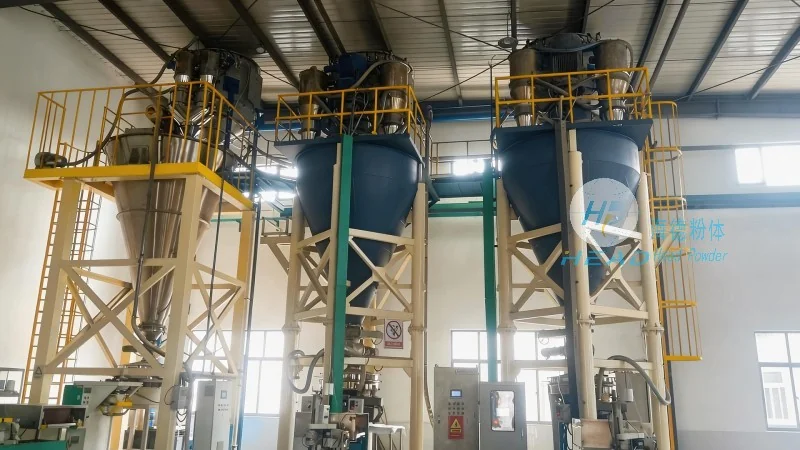
Overview of the Sodium Fluorosilicate Pneumatic Conveying System
The sodium fluorosilicate pneumatic conveying system is a sophisticated piece of industrial equipment designed to transport sodium fluorosilicate powder from a storage silo or hopper to a processing unit or storage location. This system utilizes air as the conveying medium, enabling the material to be moved through a pipeline network without the need for mechanical components like conveyor belts or buckets. The system is engineered to handle the specific properties of sodium fluorosilicate, such as its fine particle size, hygroscopic nature, and potential for dust generation, ensuring safe and efficient transport.
Working Principle of the Pneumatic Conveying System
The core working principle of the pneumatic conveying system involves the use of compressed air to create a flow that propels the sodium fluorosilicate particles through the pipeline. The system operates on the principle of fluidization, where the air flow is sufficient to lift and transport the powder particles. The process begins with the material being drawn from the storage hopper by the air flow, which is generated by a high-pressure blower or compressor. The air and powder mixture then travels through the pipeline, with the air pressure maintaining the material's suspension and movement. At the destination point, the air is separated from the powder, typically through a cyclone separator or filter, allowing the sodium fluorosilicate to be discharged into the target container or processing equipment.
Operation Process of the System
The operation of the sodium fluorosilicate pneumatic conveying system follows a systematic sequence of steps to ensure smooth and continuous material transport. The process starts with the preparation of the system, which includes checking the air pressure, ensuring the pipeline is clear of blockages, and verifying the proper functioning of the blower and other components. Once the system is ready, the material is fed into the hopper at a controlled rate, which is adjusted based on the required conveying capacity. The blower then activates, generating the necessary air pressure to initiate the conveying process. As the material is drawn from the hopper, it is mixed with the air and transported through the pipeline. The system continuously monitors the air pressure and flow rate to maintain optimal conveying conditions. At the receiving end, the air is separated from the powder, and the sodium fluorosilicate is collected in the designated container. The system then returns to standby mode until the next batch of material is ready to be transported.
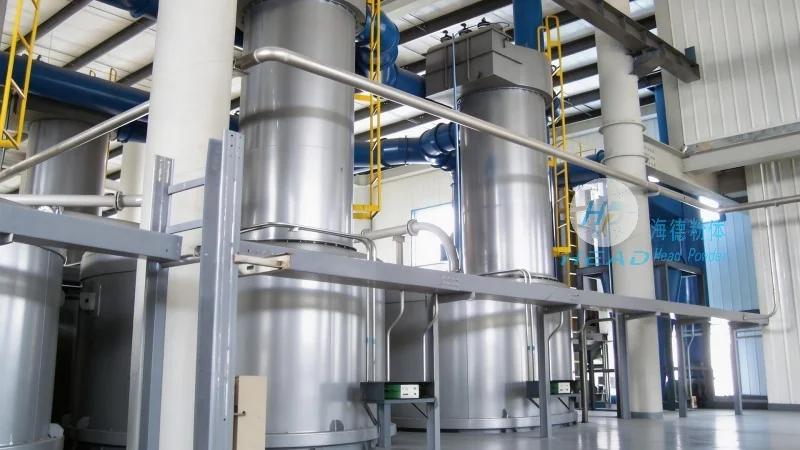
Key Components and Their Functions
The sodium fluorosilicate pneumatic conveying system consists of several critical components, each playing a vital role in the overall operation. The primary components include the material hopper, which stores the sodium fluorosilicate and provides a controlled feed; the blower or compressor, which generates the compressed air to propel the material; the pipeline system, which transports the air and powder mixture; the cyclone separator or filter, which separates the air from the powder at the receiving end; and the control system, which monitors and regulates the operation of the entire system. The material hopper is designed with a feed mechanism that allows the powder to be released into the pipeline at a consistent rate, preventing blockages and ensuring smooth flow. The blower is typically a positive displacement type, capable of delivering high-pressure air to maintain the material's suspension. The pipeline is constructed from materials resistant to the chemical properties of sodium fluorosilicate, such as stainless steel or special coatings, to prevent corrosion and material degradation. The cyclone separator uses centrifugal force to separate the air and powder, with the powder being collected in a hopper and the air being discharged to the atmosphere or recirculated. The control system includes sensors and controllers that monitor parameters like air pressure, flow rate, and material level, allowing for automatic adjustments to maintain optimal operation.
Advantages of the Pneumatic Conveying System
The sodium fluorosilicate pneumatic conveying system offers several advantages over traditional mechanical conveying methods. One of the key benefits is the ability to transport the material without direct contact with the pipeline, reducing the risk of contamination and material degradation. The system is also highly flexible, as the pipeline can be easily reconfigured to accommodate changes in the production process or layout. Additionally, the system is capable of handling large volumes of material with minimal labor requirements, improving operational efficiency. The use of compressed air as the conveying medium also allows for the transport of materials over long distances and at high speeds, reducing the overall time required for material handling. Furthermore, the system is designed to minimize dust generation, which is crucial for maintaining a safe and healthy working environment, especially when handling fine powders like sodium fluorosilicate.
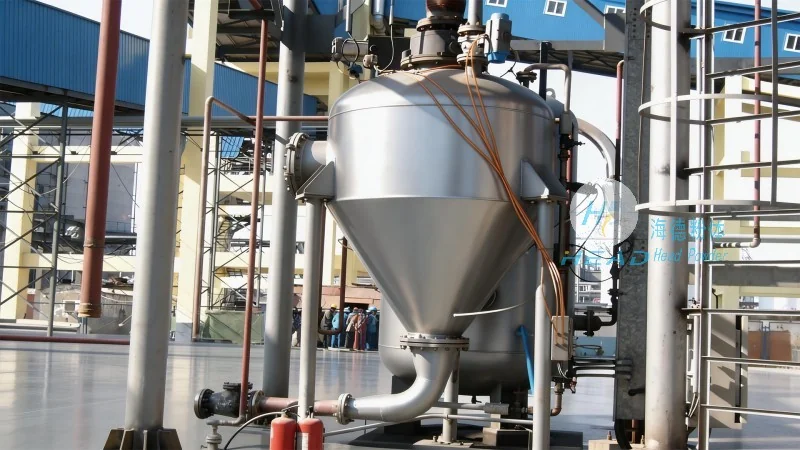
Applications and Industries
The sodium fluorosilicate pneumatic conveying system is widely used in various industries that require the handling of fine powders. These industries include the chemical industry, where sodium fluorosilicate is used as a raw material in the production of fluorine-based compounds; the glass industry, where it is used as a flux in glass manufacturing; and the water treatment industry, where it is used as a coagulant and flocculant. The system is also used in the pharmaceutical industry for the transport of active pharmaceutical ingredients (APIs) and in the food industry for the handling of food-grade sodium fluorosilicate. The versatility of the system makes it suitable for a wide range of applications, from small-scale laboratory operations to large-scale industrial production.
Maintenance and Safety Considerations
To ensure the long-term reliability and efficiency of the sodium fluorosilicate pneumatic conveying system, regular maintenance is essential. The maintenance schedule should include routine checks of the blower and compressor, cleaning of the pipeline and cyclone separator, and inspection of the material hopper and feed mechanism. It is also important to monitor the air pressure and flow rate to detect any abnormalities that may indicate a problem with the system. Safety considerations are also critical when operating the system, as the high-pressure air and fine powder can pose a risk of injury or environmental contamination. Proper personal protective equipment (PPE) should be worn by operators, and the system should be equipped with safety features such as pressure relief valves and dust collection systems. Additionally, regular training of personnel on the safe operation of the system is necessary to prevent accidents and ensure compliance with safety regulations.
Conclusion
In conclusion, the sodium fluorosilicate pneumatic conveying system is a highly efficient and reliable piece of equipment designed to transport sodium fluorosilicate powder with precision and safety. The system operates on the principle of pneumatic conveying, utilizing compressed air to move the material through a pipeline network. The operation process involves several key steps, including material feeding, air generation, transport, and separation. The system consists of several critical components, each playing a vital role in the overall operation. The advantages of the system include reduced contamination, flexibility, high capacity, and minimal dust generation. The system is widely used in various industries, including chemical, glass, water treatment, pharmaceutical, and food industries. Regular maintenance and adherence to safety guidelines are essential to ensure the long-term performance and safety of the system. Shandong HeadPowder Engineering Co., Ltd. is committed to providing high-quality pneumatic conveying systems that meet the specific needs of its customers, ensuring efficient and reliable material handling in various industrial applications.




