White carbon black powder pneumatic conveying systems are essential equipment in industrial processes for transporting fine powders like white carbon black efficiently and safely. This article provides an in-depth look at the operation process and working principle of such systems, highlighting the key components, operational steps, and benefits of using this technology. The information is presented by Shandong HeadPowder Engineering Co., Ltd., a leading manufacturer based in Shandong, China.
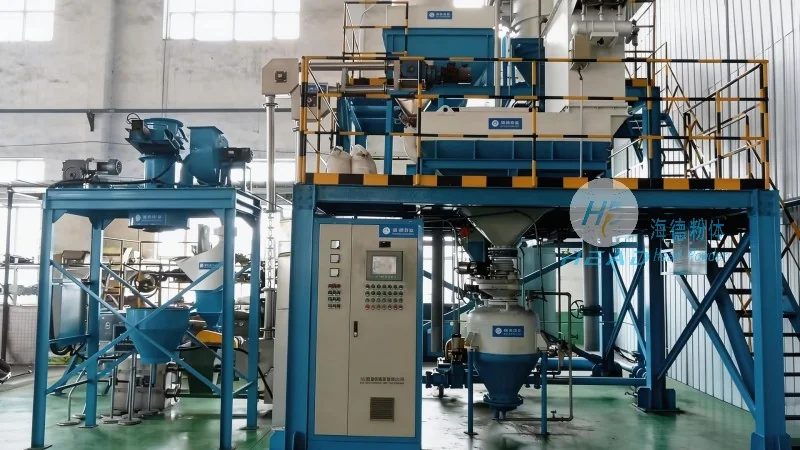
Introduction to White Carbon Black Powder Pneumatic Conveying Systems
White carbon black, also known as silica, is a widely used industrial filler and pigment. Its fine particle size and high surface area make it ideal for applications in rubber, plastics, coatings, and other industries. However, handling white carbon black powder requires specialized equipment due to its dustiness and potential health hazards. Pneumatic conveying systems offer a solution by transporting the powder through a closed system using air or other gases, minimizing dust exposure and ensuring safe material transfer.
Key Components of the Pneumatic Conveying System
The white carbon black powder pneumatic conveying system consists of several critical components that work together to achieve efficient material transport. These include:
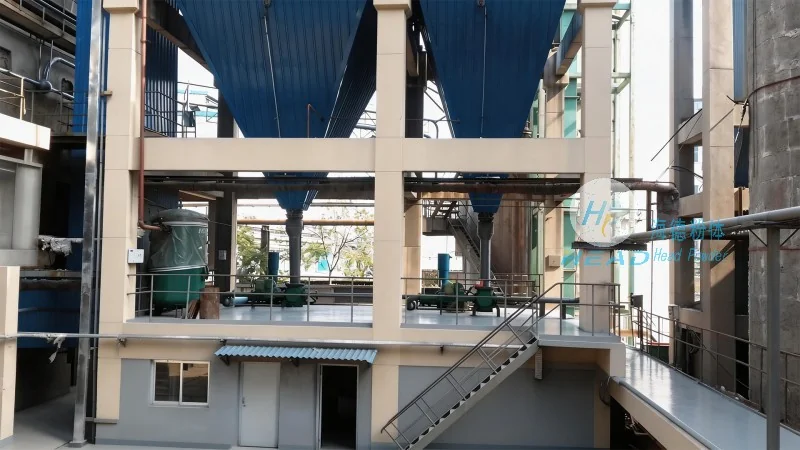
- Feeder: The feeder is responsible for feeding the white carbon black powder into the system at a controlled rate. It ensures a consistent flow of material to the conveying line, preventing blockages and maintaining system efficiency.
- Pneumatic Conveying Line: This is the main pipeline through which the powder and air mixture travels. The line is typically made of stainless steel or other corrosion-resistant materials to handle the abrasive nature of white carbon black.
- Compressor or Blower: The air source provides the necessary pressure and airflow to move the powder particles. Compressors are used for high-pressure systems, while blowers are suitable for lower-pressure applications.
- Separation and Collection System: At the end of the conveying line, the powder is separated from the air. This system includes cyclones, filters, or baghouses that capture the powder and return it to the process or storage.
- Control System: The control system monitors and regulates the operation of the entire system, ensuring optimal performance and safety. It may include sensors for pressure, flow, and temperature, as well as control valves and switches.
Working Principle of the Pneumatic Conveying System
The working principle of a white carbon black powder pneumatic conveying system is based on the use of air to transport the powder particles. There are two main types of pneumatic conveying systems: suction (or vacuum) systems and pressure systems.
In a suction system, a vacuum is created at the receiver end, drawing the powder and air mixture into the conveying line. The air is then filtered and recycled, while the powder is collected at the receiver. This type of system is suitable for short-distance and low-pressure applications.
In a pressure system, the air is pressurized at the feeder end and pushed through the conveying line to the receiver. The pressure is maintained throughout the system, ensuring continuous material flow. Pressure systems are commonly used for longer distances and higher material loads.
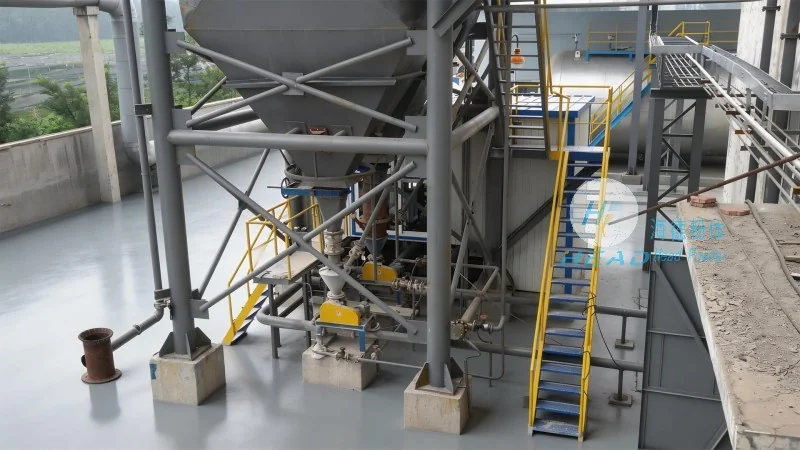
For white carbon black powder, the pressure system is often preferred due to the high density and abrasive nature of the material. The system operates by first feeding the powder into the feeder, which then mixes it with the pressurized air. The mixture is then carried through the pipeline to the separation and collection system, where the powder is separated from the air and collected.
Operation Process of the System
The operation process of a white carbon black powder pneumatic conveying system involves several sequential steps to ensure efficient and safe material transport. The process typically includes:
- Preparation: The system is prepared for operation by checking all components, including the feeder, conveying line, air source, and separation system. The air source is started, and the system is purged to remove any air or dust from the lines.
- Feeding: The white carbon black powder is fed into the feeder at a controlled rate. The feeder ensures a consistent flow of material, preventing overloading or underfeeding.
- Conveying: The pressurized air from the blower or compressor is introduced into the feeder, creating a mixture of powder and air. This mixture is then pushed through the conveying line to the separation system.
- Separation and Collection: At the end of the conveying line, the mixture enters the separation system. The air is filtered and returned to the system, while the white carbon black powder is collected in a hopper or storage container.
- Monitoring and Control: The control system continuously monitors the pressure, flow, and temperature of the system. Any deviations are detected and corrected to maintain optimal performance. The system may also include safety features such as pressure relief valves and dust suppression systems.
Advantages and Applications of the System
White carbon black powder pneumatic conveying systems offer several advantages over traditional methods of powder handling, such as manual handling or mechanical conveyors. These advantages include:
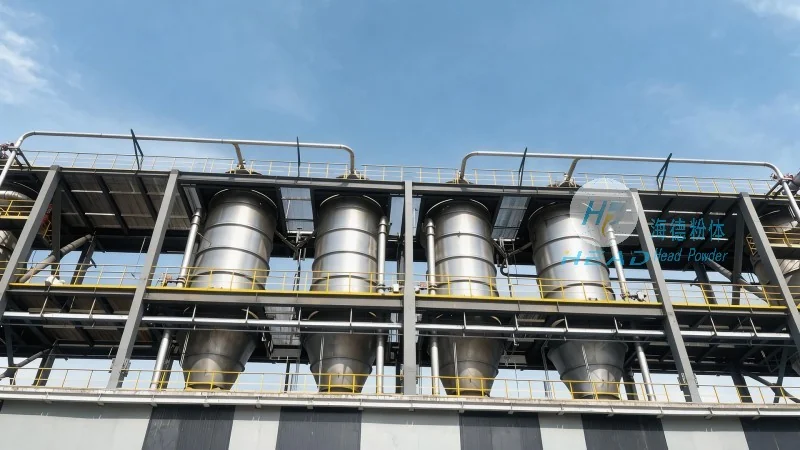
- Efficiency: The system can transport large quantities of white carbon black powder over long distances with minimal energy consumption.
- Safety: The closed system minimizes dust exposure, reducing the risk of respiratory problems and fire hazards associated with fine powders.
- Flexibility: The system can be easily adapted to different production requirements, including changes in material flow rates or destination.
- Environmental Benefits: The closed system reduces emissions and dust pollution, making it an environmentally friendly option for powder handling.
Applications of white carbon black powder pneumatic conveying systems include the rubber and tire industry, where white carbon black is used as a reinforcing filler. It is also used in the plastics industry for enhancing the mechanical properties of polymers, and in the coatings industry for improving the opacity and durability of paints.
Conclusion
White carbon black powder pneumatic conveying systems are a critical component in modern industrial processes, providing efficient, safe, and environmentally friendly transport of fine powders. By understanding the key components, working principle, and operation process of such systems, manufacturers can optimize their production lines and improve overall efficiency. Shandong HeadPowder Engineering Co., Ltd. specializes in designing and manufacturing high-quality pneumatic conveying systems tailored to the specific needs of white carbon black powder handling, ensuring reliable and cost-effective material transport for various industrial applications.




