Understanding the working principle and characteristics of moisture - containing sodium nitrate powder conveying is crucial for industries that handle this specific chemical compound. This article aims to provide a detailed overview, focusing on the technical aspects and practical applications of conveying systems designed for such materials.
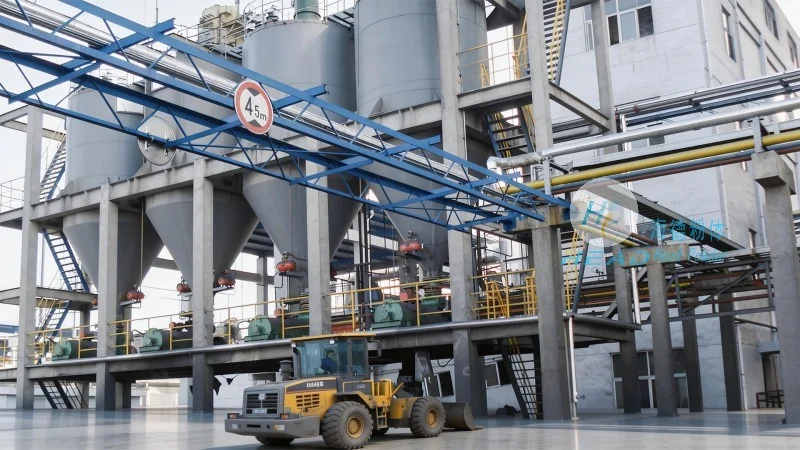
Overview of Moisture - Containing Sodium Nitrate Powder Conveying
Moisture - containing sodium nitrate is a common chemical used in various industrial processes, including fertilizer production, chemical synthesis, and energy storage. The efficient and safe transportation of this powder is essential to maintain production efficiency and ensure product quality. Conveying systems for such materials must address unique challenges posed by the material's physical properties, such as its hygroscopic nature and potential for caking or agglomeration.
Working Principle of Moisture - Containing Sodium Nitrate Powder Conveying Systems
The core working principle of moisture - containing sodium nitrate powder conveying systems involves the use of specialized equipment to move the material from one location to another while maintaining its integrity. These systems typically include components like feeders, conveyors, and control mechanisms. The process begins with the material being fed into the system, often through a hopper or bin. From there, it is transported using methods such as pneumatic conveying, screw conveyors, or belt conveyors, depending on the specific requirements of the application.
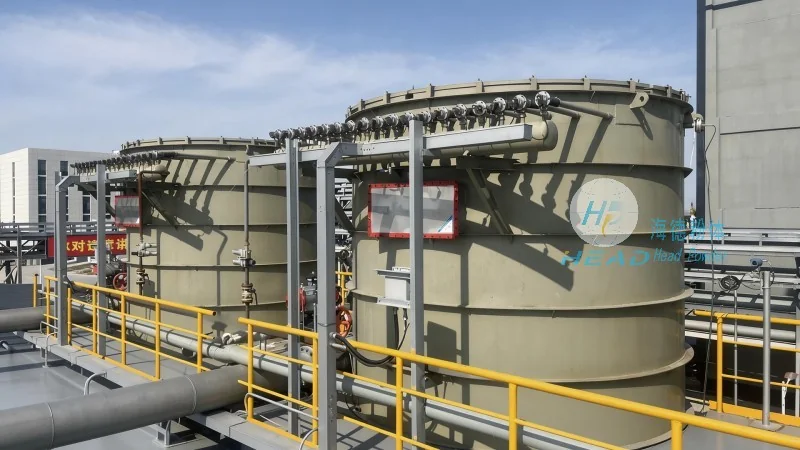
In pneumatic conveying, for example, the powder is carried by a stream of air under pressure. This method is particularly effective for handling fine powders and can be used for both short and long - distance transport. The air flow helps to prevent the material from sticking to the walls of the conveying line and ensures a consistent flow rate. Screw conveyors, on the other hand, use rotating screws to move the material along a trough. This method is suitable for bulk material handling and can handle larger quantities of powder. The choice of conveying method depends on factors like the material's moisture content, particle size, and the distance it needs to be transported.
Key Characteristics of Moisture - Containing Sodium Nitrate Powder Conveying
Several key characteristics define the performance and effectiveness of conveying systems for moisture - containing sodium nitrate. One of the most important is the system's ability to handle the material's hygroscopic properties. Since sodium nitrate readily absorbs moisture from the air, conveying systems must be designed to minimize exposure to humidity and prevent caking. This often involves using sealed or enclosed systems to protect the material from environmental factors. Another characteristic is the system's efficiency in maintaining the material's flowability. Caking or agglomeration can significantly reduce the efficiency of the conveying process, leading to blockages and downtime. Therefore, systems may incorporate features like vibration or agitation to keep the material in a free - flowing state.
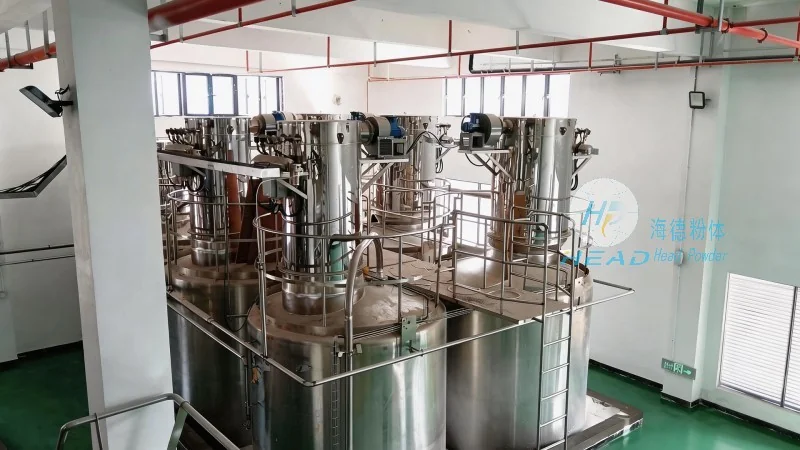
Additionally, the system's ability to handle variations in moisture content is a critical characteristic. In industrial settings, the moisture level of sodium nitrate can fluctuate due to factors like storage conditions or processing steps. A good conveying system should be able to adapt to these changes without compromising performance. This adaptability is often achieved through adjustable controls, such as variable speed drives or pressure regulators, which allow operators to optimize the conveying parameters based on the material's current condition.
Application - Specific Considerations in Moisture - Containing Sodium Nitrate Powder Conveying
When implementing a conveying system for moisture - containing sodium nitrate, several application - specific considerations must be taken into account. The first is the scale of the operation. For small - scale applications, a simple screw conveyor or a small pneumatic system may be sufficient. However, for large - scale industrial plants, more complex systems with multiple components and higher capacity may be required. The second consideration is the environment in which the system will operate. If the plant is located in a humid or wet climate, the system must be designed with additional sealing and drying features to prevent moisture ingress. The third consideration is the need for safety. Sodium nitrate is a hazardous material in certain concentrations, and the conveying system must be equipped with safety features such as explosion - proof components and emergency shut - off valves to prevent accidents.
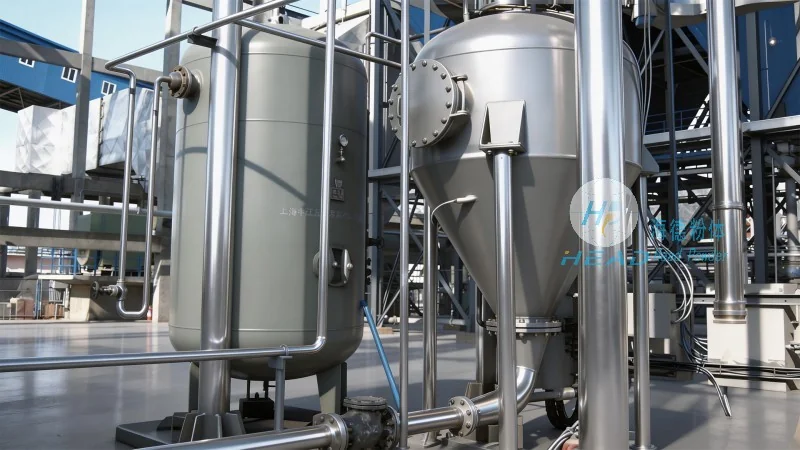
Company Introduction: Shandong HeadPowder Engineering Co., Ltd.
Shandong HeadPowder Engineering Co., Ltd., commonly known as headpowder, is a leading provider of specialized conveying solutions for industrial powders. With a focus on innovation and customer - centric design, the company has developed advanced systems tailored to the unique challenges of handling moisture - containing sodium nitrate and other similar materials. Headpowder's expertise lies in designing and manufacturing equipment that ensures efficient, safe, and reliable powder transport, helping clients optimize their production processes and maintain product quality.
Headpowder is committed to delivering high - quality solutions that meet the specific needs of each client. The company's team of engineers and technicians work closely with clients to understand their operational requirements and provide customized solutions. Whether it's a new system installation or the upgrade of an existing one, headpowder offers comprehensive support, including design, installation, and maintenance services. With a strong presence in China, particularly in Shandong, headpowder has established itself as a trusted partner in the powder handling industry, providing reliable and efficient conveying systems that enhance the performance of industrial operations.




