Shandong HeadPowder Engineering Co., Ltd. specializes in the design, manufacturing, and installation of advanced pneumatic conveying systems tailored for the handling of phosphate iron materials. These systems are engineered to efficiently transport bulk materials over long distances with minimal maintenance and operational costs. The following sections detail the operational process and underlying principles of such systems, providing a comprehensive understanding for potential users and industry professionals.
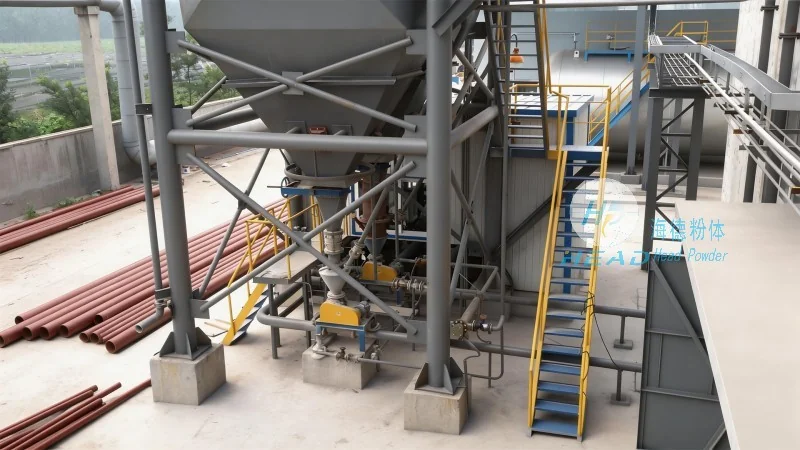
Key Components of the Pneumatic Conveying System
The phosphate iron pneumatic conveying system typically consists of several critical components that work in tandem to ensure smooth material transport. These include the material hopper, which serves as the storage and feeding unit; the air compressor or blower, responsible for generating the necessary airflow; the conveying pipeline, which forms the main transport channel; and the discharge unit, where the material is released at the destination. Each component is meticulously designed to handle the specific characteristics of phosphate iron, such as its particle size, density, and flowability.
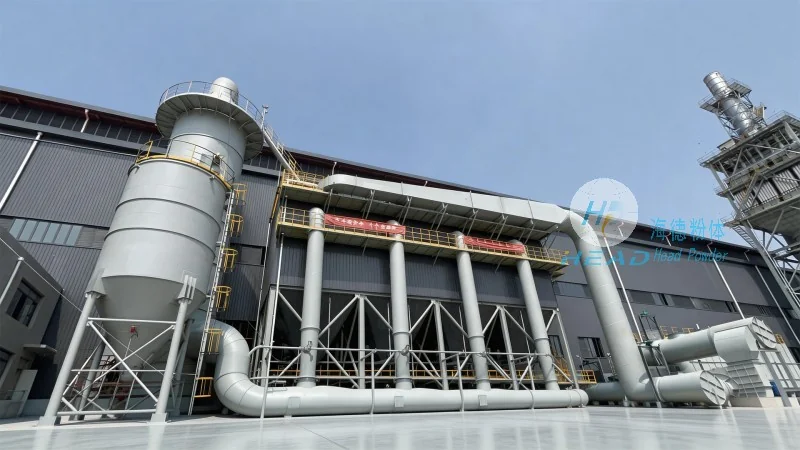
Operation Process: Step-by-Step Overview
The operation of the phosphate iron pneumatic conveying system follows a systematic sequence of steps to ensure efficient material transfer. Initially, the material is loaded into the hopper from a storage silo or bulk container. A feeder mechanism then regulates the flow of phosphate iron into the conveying pipeline, ensuring a consistent feed rate. Simultaneously, the air compressor generates high-pressure air, which is introduced into the pipeline through a venturi or injection point. The air stream creates a low-pressure zone that draws the phosphate iron particles into the pipeline, forming a dense slurry or suspension. As the mixture travels through the pipeline, it is propelled by the airflow to the discharge point, where the material is separated from the air and collected in a receiving bin. The system is equipped with control valves and sensors to monitor pressure, flow rate, and material level, allowing for real-time adjustments to maintain optimal performance.
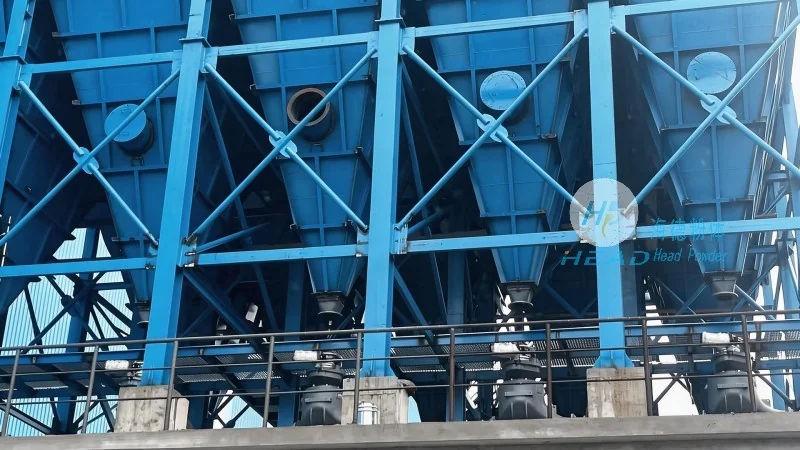
Working Principle: Fluidization and Suspension
The core working principle of the phosphate iron pneumatic conveying system is based on the concept of fluidization and suspension. When air is introduced into the conveying pipeline at a sufficient velocity, it creates a turbulent flow that lifts the phosphate iron particles off the pipeline walls. This process transforms the solid material into a fluid-like suspension, enabling it to be transported through the pipeline with minimal resistance. The key to effective fluidization lies in achieving the correct air velocity and pressure, which depends on factors such as the particle size distribution, density, and moisture content of the phosphate iron. Properly designed system components, including the air compressor and pipeline diameter, are crucial for maintaining the optimal airflow conditions required for stable suspension and efficient transport.
Advantages of Pneumatic Conveying for Phosphate Iron Handling
Compared to traditional mechanical conveying methods, pneumatic conveying systems offer several advantages for handling phosphate iron. These include the ability to transport materials over long distances without the need for intermediate transfer points, reducing the risk of material degradation or contamination. The enclosed pipeline system also minimizes dust emissions, enhancing workplace safety and compliance with environmental regulations. Additionally, pneumatic conveying systems are highly flexible, allowing for changes in material flow direction or destination without significant modifications to the infrastructure. The automated control features, such as pressure sensors and flow meters, further improve operational efficiency and reduce labor costs.
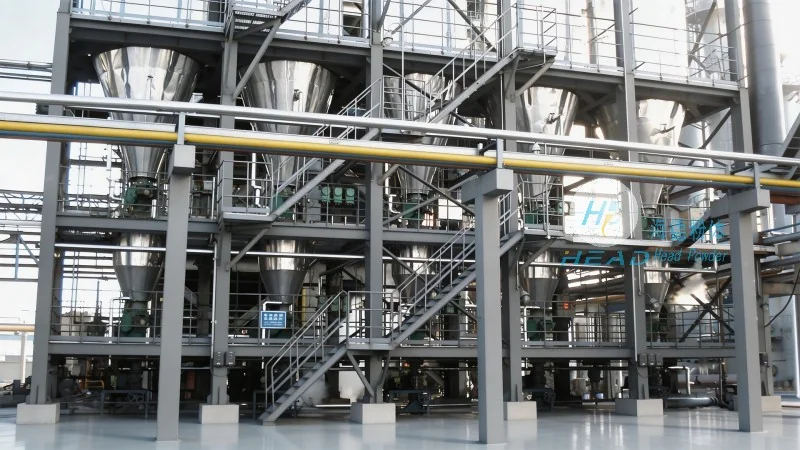
Applications and Industries Served
Phosphate iron pneumatic conveying systems are widely used in various industrial applications where bulk material handling is essential. These systems are commonly employed in mining and mineral processing facilities, where phosphate iron is extracted and processed for use in fertilizers and other industrial products. The systems are also utilized in chemical manufacturing plants, where phosphate iron is used as a raw material in the production of phosphoric acid and other chemical compounds. Additionally, the systems find applications in the construction industry for transporting phosphate iron-based materials used in concrete and other building materials. The versatility of the pneumatic conveying system makes it suitable for a wide range of industries that require reliable and efficient bulk material transport solutions.




