HeadPowder, a leading enterprise in the field of powder handling technology, specializes in the design, manufacturing, and installation of advanced pneumatic conveying systems for various industrial applications. This article provides a detailed overview of the operation process and working principle of the powdered baking soda pneumatic conveying system equipment, highlighting the key components, operational steps, and technical advantages that ensure efficient and reliable material transport.
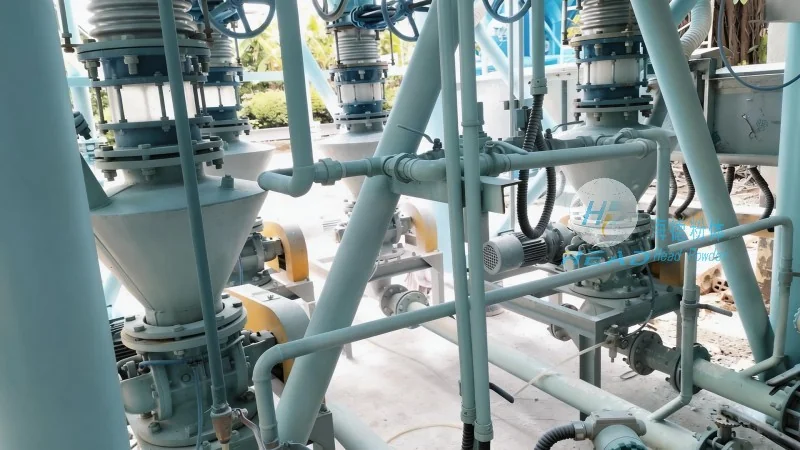
Overview of the Powdered Baking Soda Pneumatic Conveying System
The powdered baking soda pneumatic conveying system is a sophisticated piece of equipment engineered to transport dry powders, such as baking soda, through a pressurized or vacuum environment. HeadPowder, based in Shandong, China, has developed this system to meet the stringent requirements of industries like food processing, pharmaceuticals, and chemical manufacturing, where maintaining product purity and minimizing contamination is paramount. The system combines precision engineering with robust materials to deliver consistent performance and long-term reliability.
Key Components of the Pneumatic Conveying System
The powdered baking soda pneumatic conveying system consists of several critical components that work in tandem to facilitate the transport of the material. These components include the hopper, feeder, air compressor, conveying line, and receiver. Each component plays a vital role in the overall operation, ensuring that the baking soda is moved efficiently from the source to the destination without degradation or loss.
Operation Process of the Pneumatic Conveying System
The operation of the powdered baking soda pneumatic conveying system begins with the loading of the baking soda into the hopper. The hopper is designed to hold a substantial quantity of the material, allowing for continuous operation without frequent refilling. Once the hopper is filled, the feeder, typically a rotary valve or a screw feeder, regulates the flow of the baking soda into the conveying line. The feeder ensures a consistent and controlled discharge of the powder, preventing blockages and maintaining the integrity of the material.
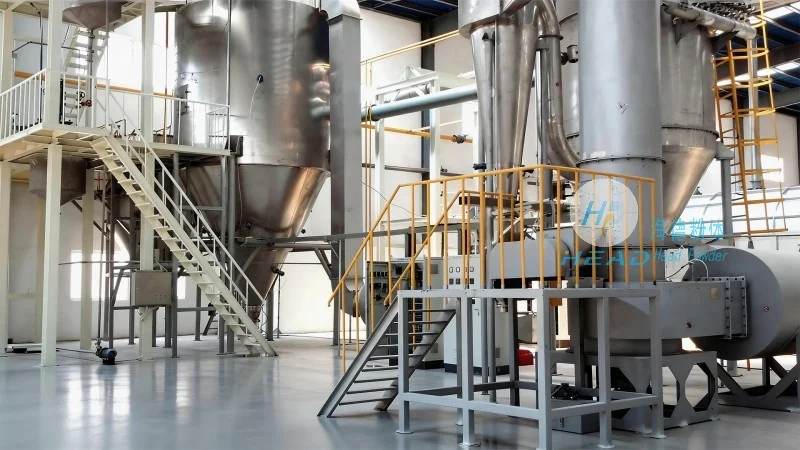
Simultaneously, the air compressor generates the necessary pressure or vacuum to move the baking soda through the conveying line. The air compressor is a high-efficiency unit that provides the required air volume and pressure to propel the powder particles. The conveying line, usually made of stainless steel or other corrosion-resistant materials, is designed to withstand the abrasive nature of the baking soda and maintain a clean environment. The line is equipped with bends, elbows, and filters to ensure smooth transport and prevent material buildup or contamination.
As the baking soda travels through the conveying line, it is carried by the air stream, which can be either positive pressure (blowing air into the line) or negative pressure (sucking air out of the line). The system is designed to handle both pressure and vacuum modes, providing flexibility for different operational needs. The receiver, located at the destination, collects the baking soda and stores it until it is ready for use. The receiver is equipped with a discharge valve or a conveyor to transfer the material to the next processing stage.
Working Principle of the Pneumatic Conveying System
The working principle of the powdered baking soda pneumatic conveying system is based on the principles of fluid dynamics and particle transport. The system utilizes the kinetic energy of the air to move the powder particles, leveraging the difference in pressure between the source and the destination. In positive pressure systems, the air compressor pushes air into the conveying line, creating a high-pressure environment that propels the baking soda forward. The air and powder mixture travels through the line, with the powder particles suspended in the air stream. In negative pressure systems, the air is drawn out of the line, creating a vacuum that pulls the baking soda into the conveying line.
The efficiency of the system depends on several factors, including the air velocity, the particle size and density of the baking soda, and the length and diameter of the conveying line. HeadPowder's engineers have optimized these parameters to ensure that the system operates at peak efficiency, minimizing energy consumption and maximizing material throughput. The system is also designed to handle varying particle sizes and moisture content, making it suitable for a wide range of applications.
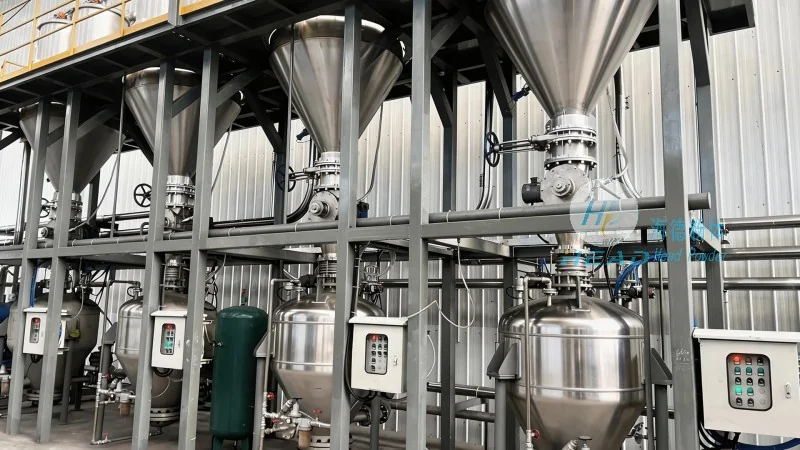
Advantages of the Powdered Baking Soda Pneumatic Conveying System
HeadPowder's powdered baking soda pneumatic conveying system offers several advantages over traditional mechanical conveying methods. The system is fully enclosed, preventing dust and contamination from escaping into the environment. This is particularly important for food and pharmaceutical applications where product purity is critical. The system also reduces labor costs by automating the material transport process, allowing for continuous operation with minimal human intervention.
Another key advantage is the system's ability to handle long distances and high elevations. The pneumatic conveying system can transport baking soda over several hundred meters and to significant heights, making it suitable for large-scale industrial facilities. The system is also flexible, allowing for easy integration with existing processing lines and the ability to add or modify components as needed.
Conclusion
HeadPowder's powdered baking soda pneumatic conveying system equipment is a reliable and efficient solution for the transport of dry powders in various industrial applications. The system's operation process and working principle are designed to ensure consistent performance, minimal contamination, and long-term reliability. With its advanced components and optimized design, the system meets the stringent requirements of industries like food processing, pharmaceuticals, and chemical manufacturing, providing a cost-effective and sustainable solution for material handling.




