HeadPowder, a leading engineering firm based in Shandong, China, specializes in the design and implementation of advanced material handling solutions. This article delves into the principles and operational characteristics of pneumatic conveying systems tailored for light calcium materials, a critical component in various industrial applications.
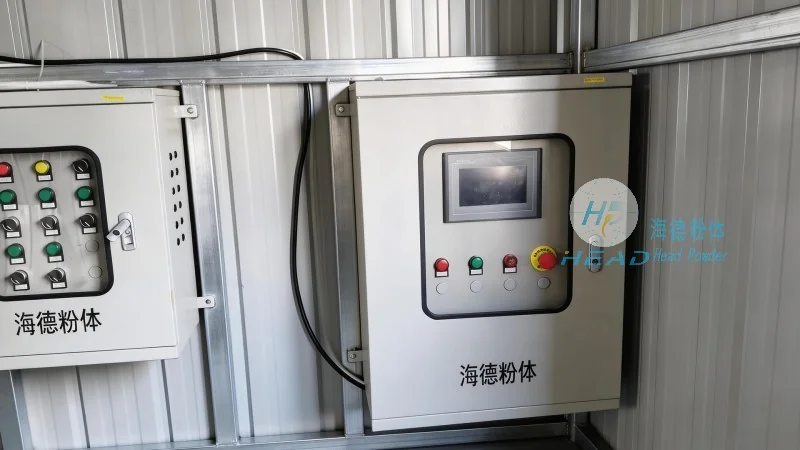
Understanding Pneumatic Conveying Systems for Light Calcium Materials
Pneumatic conveying systems utilize air or gas as the primary medium to transport bulk materials like light calcium powder from one location to another. The core principle involves creating a pressure differential that propels the material through a pipeline network. For light calcium, which is known for its low density and fine particle size, specialized system designs are essential to ensure efficient and reliable transport without compromising material quality.
Key Components and Operational Mechanism
The system typically comprises several key components, including a feeding device, a conveying line, a separation unit, and a discharge mechanism. The feeding device, often a rotary valve or a hopper with a feeder, introduces the light calcium material into the system. The conveying line, made of materials resistant to corrosion and abrasion (such as stainless steel or special polymers), transports the material under controlled air pressure. The separation unit, which may include cyclones or filters, separates the material from the air stream, ensuring that the material is collected efficiently and the air is cleaned before release. The discharge mechanism then delivers the light calcium to the desired destination, such as a storage silo or a processing unit.
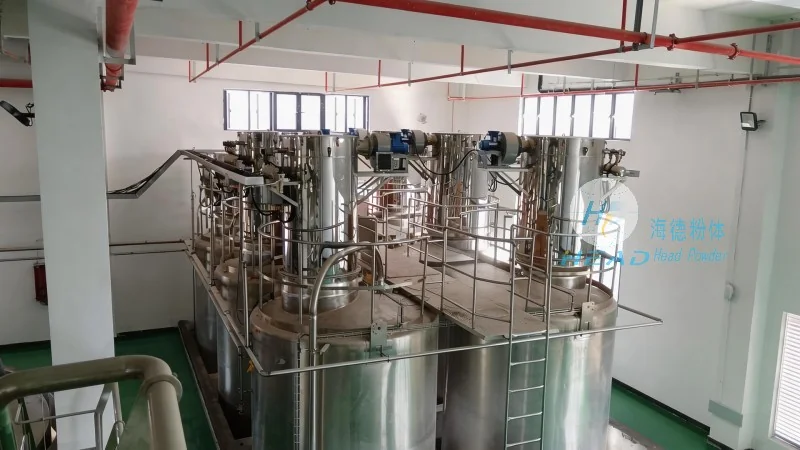
Working Scene Characteristics and Application Scenarios
The operational characteristics of pneumatic conveying systems for light calcium materials are shaped by several factors, including the material's physical properties, the system's design, and the specific application requirements. Light calcium, with its low bulk density and fine particle size, presents unique challenges in terms of air velocity, pressure drop, and system efficiency. The system must be designed to maintain a consistent flow rate and prevent material degradation or blockages, which can occur if the air velocity is too low or the pipeline diameter is insufficient.
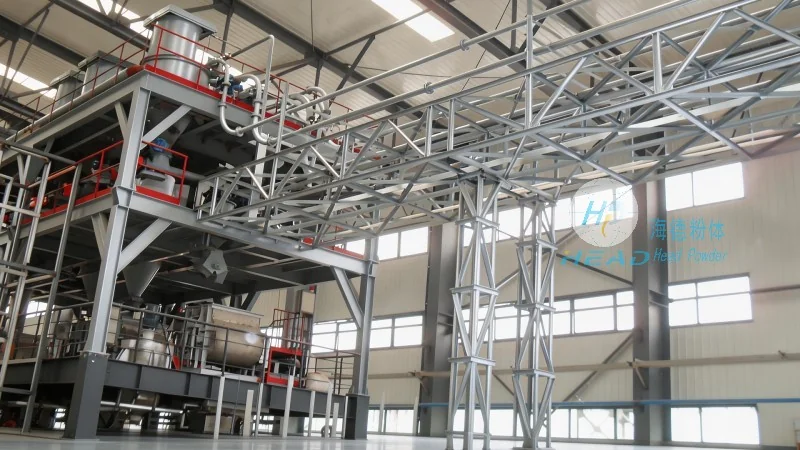
In industrial settings, these systems are commonly used in applications such as the production of calcium carbonate-based products, where light calcium is a key raw material. They are also employed in processes that require precise material dosing, such as in pharmaceutical or food processing industries. The flexibility of pneumatic conveying systems allows them to be integrated into existing production lines, enhancing overall operational efficiency and reducing downtime.
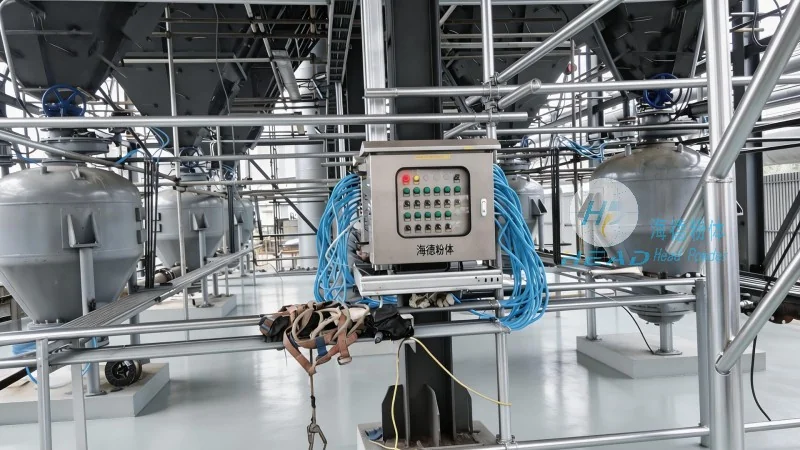
Advantages and Considerations in System Design
Compared to traditional mechanical conveying methods, pneumatic systems offer several advantages for light calcium materials. These include the ability to transport materials over long distances, the elimination of mechanical wear and tear on the material, and the reduction of dust exposure for operators. However, the design of a pneumatic conveying system for light calcium requires careful consideration of factors such as air flow rates, pressure requirements, and the potential for material segregation or agglomeration. Proper system sizing and maintenance are crucial to ensure optimal performance and longevity.
Conclusion
HeadPowder's expertise in engineering pneumatic conveying systems for light calcium materials ensures that clients receive tailored solutions that meet their specific operational needs. By understanding the principles and characteristics of these systems, industries can enhance their material handling processes, improve efficiency, and maintain product quality. As a company based in Shandong, China, HeadPowder continues to provide innovative solutions that address the unique challenges of material transport in modern industrial applications.




