Polyolefin materials, such as polyethylene and polypropylene, are widely used in various industrial applications due to their excellent properties. The efficient and reliable transportation of these materials from storage to processing units is crucial for maintaining production efficiency and product quality. Pneumatic conveying systems offer a solution to this challenge by utilizing air as the conveying medium, enabling the safe and effective movement of polyolefin powders and granules. This article provides an in-depth exploration of the operation process and working principle of polyolefin pneumatic conveying equipment, highlighting the key components, operational steps, and technical considerations involved.
Overview of Polyolefin Pneumatic Conveying Systems
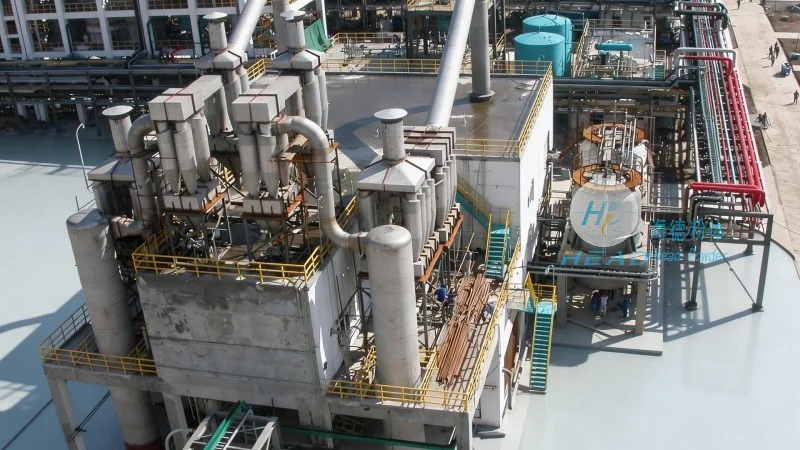
Polyolefin pneumatic conveying systems are designed to transport polyolefin materials through a pipeline using compressed air. These systems are commonly used in industries like plastics manufacturing, chemical processing, and food processing, where the handling of bulk polyolefin powders and granules is required. The core components of a typical polyolefin pneumatic conveying system include a material hopper, a feeder, a conveying line, a receiver, and a dust collection system. Each component plays a critical role in ensuring the smooth and efficient operation of the system.
Key Components of Polyolefin Pneumatic Conveying Equipment
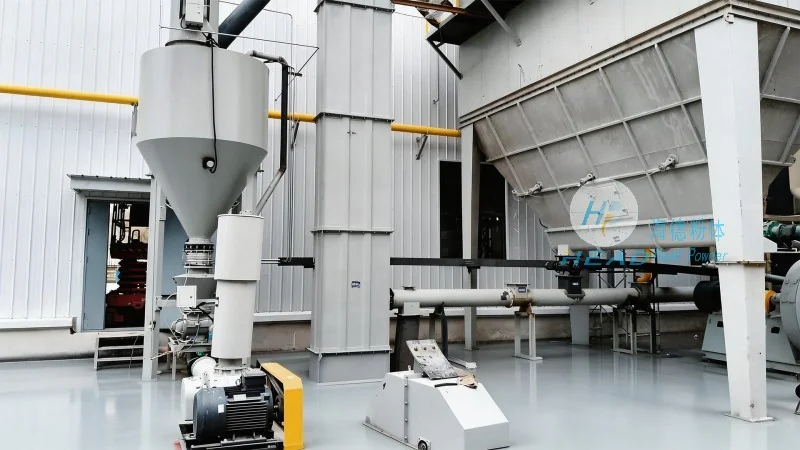
The material hopper is the primary storage vessel for polyolefin materials. It is designed to hold a sufficient quantity of material to meet production demands and is equipped with a discharge valve to control the flow rate. The feeder, often a rotary valve or a screw feeder, regulates the material flow from the hopper into the conveying line. The conveying line, typically made of stainless steel or other corrosion-resistant materials, is the main pathway for transporting the polyolefin material. The receiver is where the conveyed material is deposited, and it is usually equipped with a discharge valve to allow for easy unloading. The dust collection system, including filters and a fan, ensures that any airborne particles are captured and removed, maintaining a clean and safe working environment.
The Working Principle of Polyolefin Pneumatic Conveying
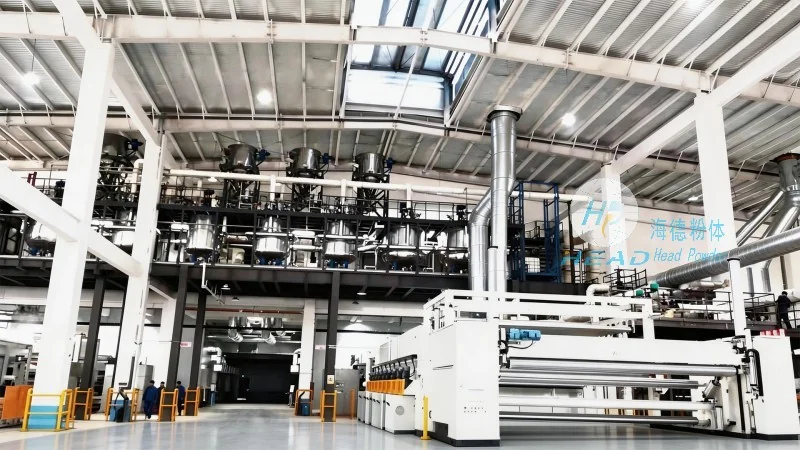
The operation of a polyolefin pneumatic conveying system is based on the principle of air flow and pressure differentials. When compressed air is introduced into the conveying line, it creates a low-pressure zone that draws the polyolefin material from the hopper into the line. The material is then carried along the pipeline by the air stream, which can be either positive pressure (air blowing the material) or negative pressure (air sucking the material). The choice between positive and negative pressure systems depends on factors such as material characteristics, system layout, and operational requirements. The air flow rate and pressure are carefully controlled to ensure optimal material transport without causing excessive wear or degradation of the polyolefin material.
Operation Process of Polyolefin Pneumatic Conveying Equipment
The operation process of polyolefin pneumatic conveying equipment involves several sequential steps. First, the polyolefin material is loaded into the material hopper. The hopper is then sealed to prevent material spillage and to maintain a consistent pressure environment. Next, the feeder is activated to regulate the material flow into the conveying line. Simultaneously, the compressed air system is started, and the air flow is adjusted to the appropriate rate. As the material is fed into the line, it is carried by the air stream and transported to the receiver. The receiver is positioned at the destination point, such as a processing unit or a storage silo. Once the material reaches the receiver, the air flow is reduced or stopped, and the material is allowed to settle and discharge from the receiver. The dust collection system operates continuously throughout the process to capture any airborne particles and maintain air quality.
Technical Considerations and Best Practices
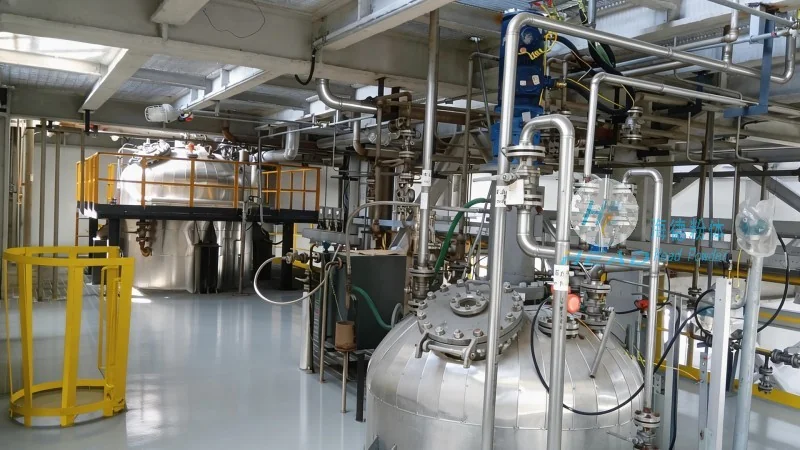
Several technical considerations are essential for the efficient and reliable operation of polyolefin pneumatic conveying systems. Material properties, such as particle size, density, and moisture content, significantly impact the conveying performance. Larger or heavier particles may require higher air flow rates or different system configurations. The system design must also account for the potential for material buildup or blockages in the conveying line, which can be mitigated by using appropriate line diameters, bends, and cleaning mechanisms. Regular maintenance, including cleaning of filters and checking for wear in components, is crucial to prevent system downtime and ensure long-term performance. Additionally, the use of corrosion-resistant materials, such as stainless steel, is recommended for systems handling polyolefin materials to prevent contamination and ensure durability.
Conclusion
Polyolefin pneumatic conveying equipment is a vital component in industries that handle polyolefin materials, providing an efficient and reliable method for material transportation. The operation process involves careful coordination of material feeding, air flow control, and system monitoring to ensure optimal performance. By understanding the working principle and key components of these systems, users can make informed decisions about system design and maintenance, leading to improved production efficiency and product quality. Shandong HeadPowder Engineering Co., Ltd., a leading manufacturer of polyolefin pneumatic conveying equipment, specializes in providing customized solutions tailored to the specific needs of their clients, ensuring that their systems meet the highest standards of performance and reliability.




