Shandong HeadPowder Engineering Co., Ltd., operating under the brand name headpowder, is a prominent enterprise specializing in silicone powder technology. Headquartered in Shandong, China, the company has built a strong reputation for delivering high-quality industrial materials and advanced material handling solutions. The company's focus on precision engineering and customer-centric approaches has positioned it as a key supplier in the silicone powder market, serving a wide range of industries with tailored products and systems.

Key Technical Parameters of Silicone Powder
The technical specifications of silicone powder are fundamental to its performance in various industrial applications. These parameters are meticulously controlled to ensure consistency and reliability. Particle size distribution is a primary parameter, as it directly influences the powder's flowability, dispersion, and surface area. Silicone powder typically exhibits particle sizes ranging from sub-micron to several microns, with specific grades optimized for different uses. Fine-grained powders are commonly used in coatings, adhesives, and sealants, where uniform dispersion is critical. Coarser grades are preferred in rubber compounding and plastic additives, where higher bulk density and processing efficiency are required. The density of the powder, another critical parameter, affects storage volume and transportation logistics. Standard densities for silicone powder range from 0.9 to 1.2 g/cm³, depending on the formulation. Moisture content is tightly regulated to prevent caking and maintain stability, usually kept below 0.1%. Purity, often expressed as the percentage of silicon dioxide, is typically above 99%, ensuring that the material meets stringent industry standards for quality and performance. These parameters are regularly tested and verified through laboratory analysis to guarantee that each batch of silicone powder meets the required specifications.
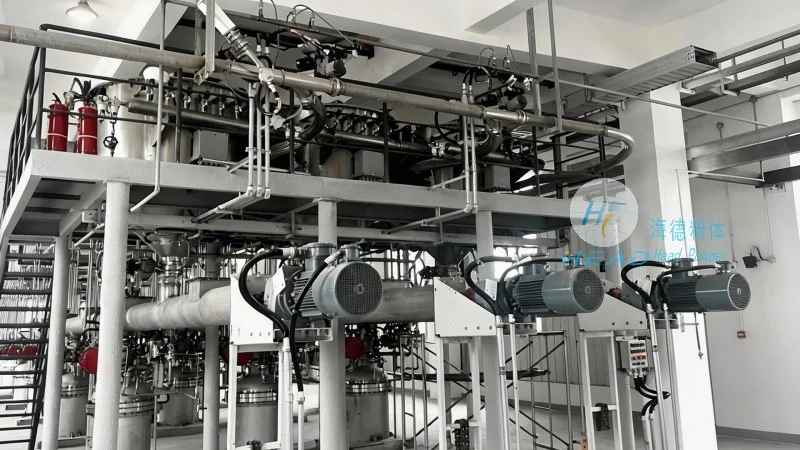
Conveying System Process for Silicone Powder
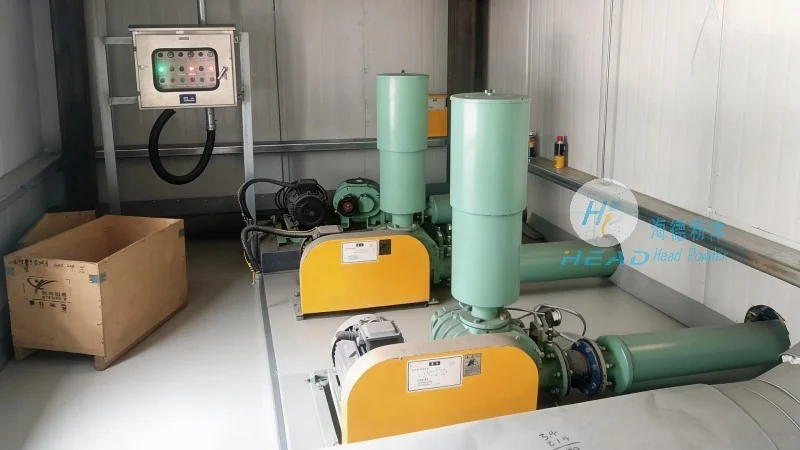
The conveying system for silicone powder is engineered to handle the material's fine particle size and potential static charge issues. A typical system comprises several components: a storage hopper, a feeder, a conveying mechanism (such as pneumatic or mechanical), and a dust collection system. Pneumatic conveying is widely used due to its ability to transport fine powders without mechanical contact, reducing wear and preventing contamination. The process involves creating a pressure differential using compressed air to draw the powder from the hopper into the conveying line. This method is effective for long-distance transport and high-volume handling. Mechanical conveyors, like screw or belt conveyors, are employed for shorter distances or when the powder is less prone to static buildup. The system incorporates static control measures, including grounding and ionizers, to mitigate electrostatic discharge risks and prevent material accumulation. The conveying process begins with the powder being fed from the hopper into the feeder, which regulates the flow rate based on production needs. The feeder then transfers the powder into the conveying line, which transports it to the processing or packaging area. Regular maintenance of the system, including cleaning filters and inspecting valves, is essential to prevent blockages and ensure consistent performance. By optimizing the conveying parameters, the system maintains a stable flow rate, minimizing material loss and ensuring that the silicone powder reaches its destination in a clean and efficient manner.
Application and Performance Considerations
The technical parameters and conveying system directly impact the performance of silicone powder in end-use applications. In the automotive industry, silicone powder is used as a filler in rubber compounds, where particle size and purity affect the final product's mechanical strength and durability. In construction, it is incorporated into coatings and sealants, where consistent flow and low moisture content are crucial for uniform application and long-term performance. The conveying system's efficiency is vital to preserving these performance characteristics, as any fluctuations in flow or contamination can compromise the end product. Additionally, the system's ability to manage static charge is critical to preventing operational inefficiencies and safety hazards. By adhering to precise operational protocols, manufacturers can ensure reliable and continuous delivery of high-quality silicone powder. The combination of controlled technical parameters and a well-designed conveying system allows Shandong HeadPowder Engineering Co., Ltd. to meet the diverse needs of its clients, supporting their success across various industrial sectors. The company's commitment to quality and innovation in both product development and system design underscores its role as a trusted partner in the silicone powder industry.




