Shandong HeadPowder Engineering Co., Ltd., operating under the brand name headpowder, specializes in the engineering and implementation of systems designed for handling coal stone powder. This document outlines the key technical parameters and the process of the conveying systems used in such applications, providing a comprehensive overview for industry professionals seeking to understand the core aspects of coal stone powder management and transportation.
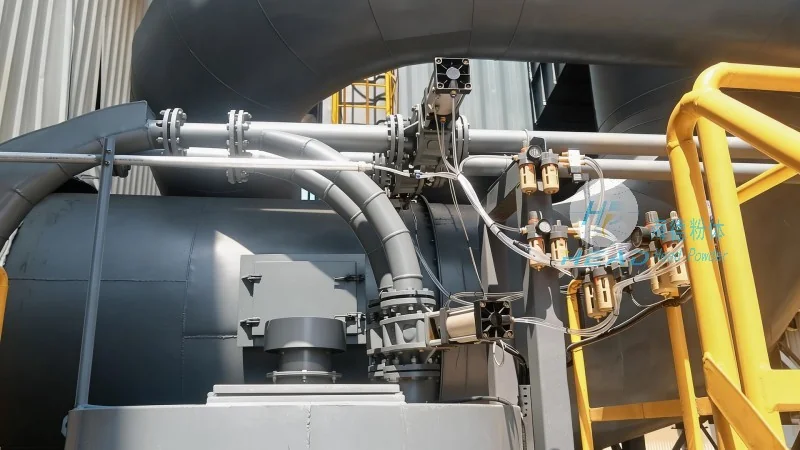
Key Technical Parameters for Coal Stone Powder
The technical parameters of coal stone powder are critical for ensuring the efficiency and safety of conveying systems. These parameters include particle size distribution, bulk density, moisture content, and flowability. Particle size distribution, typically ranging from fine to coarse particles, affects the system's design, as finer particles may require more robust dust control measures and specialized equipment to prevent clogging. Bulk density, which varies depending on the composition of the coal stone powder, influences the capacity and power requirements of the conveying equipment. Moisture content is another crucial factor, as higher moisture levels can lead to increased stickiness and potential blockages in the system. Flowability, often assessed through tests like the angle of repose, helps determine the suitability of different conveying methods, such as pneumatic or mechanical systems. Understanding these parameters is essential for selecting the appropriate equipment and optimizing the performance of the conveying process.
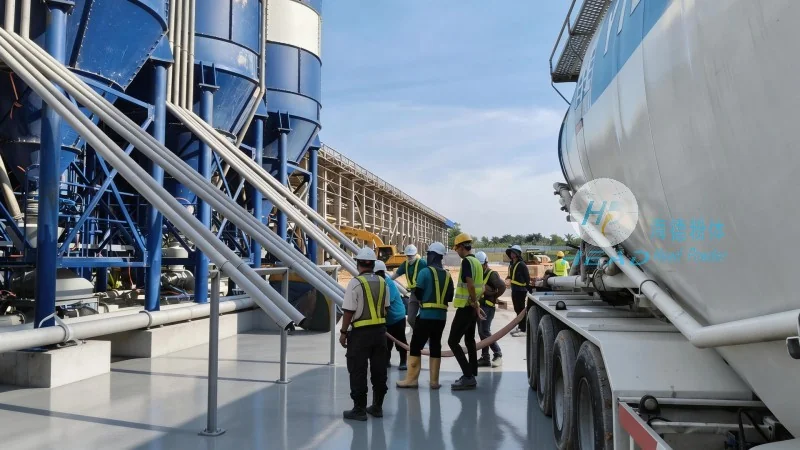
Conveying System Process Overview
The conveying system for coal stone powder involves several key components and steps, designed to transport the material from its source to the desired destination efficiently and reliably. The process typically begins with the material being fed into a hopper or storage silo, where it is prepared for transport. From there, the material is transferred to the conveying equipment, which may include screw conveyors, belt conveyors, or pneumatic systems, depending on the specific requirements of the application. The choice of conveying method is influenced by factors such as the distance to be covered, the volume of material to be moved, and the need for dust control. For example, pneumatic conveying systems are often used for long-distance transport or when high levels of dust control are required, as they can effectively contain and transport fine particles. Mechanical systems, such as belt or screw conveyors, are suitable for shorter distances and bulkier materials. The system also includes control mechanisms, such as valves and sensors, to regulate the flow and ensure smooth operation. Additionally, the system may incorporate dust collection and filtration equipment to maintain air quality and comply with environmental regulations. Proper maintenance and monitoring of the conveying system are essential to prevent downtime and ensure consistent performance.
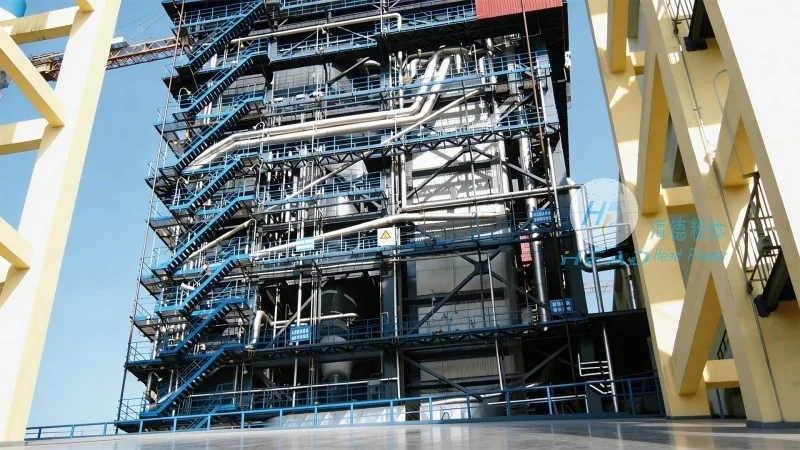
System Design and Integration
The design of the coal stone powder conveying system is a critical aspect of its functionality and reliability. It involves careful consideration of the material's properties, the distance to be covered, and the operational requirements of the facility. Engineers at headpowder work closely with clients to assess these factors and develop a customized system that meets their specific needs. The system design includes the selection of appropriate equipment, such as conveyors, hoppers, and control systems, as well as the layout of the entire process. The integration of the conveying system with other components of the facility, such as storage silos or processing equipment, is also considered to ensure seamless operation. For instance, the system may be designed to connect directly to a storage silo, allowing for automated material transfer. The use of advanced control systems, such as PLCs (Programmable Logic Controllers), enables precise control over the conveying process, ensuring that the material is transported at the correct rate and under optimal conditions. Additionally, the system may incorporate safety features, such as emergency shut-off valves and pressure relief devices, to protect personnel and equipment from potential hazards. The design process also takes into account the environmental impact of the system, with measures such as dust collection and noise reduction incorporated to minimize the impact on the surrounding environment.
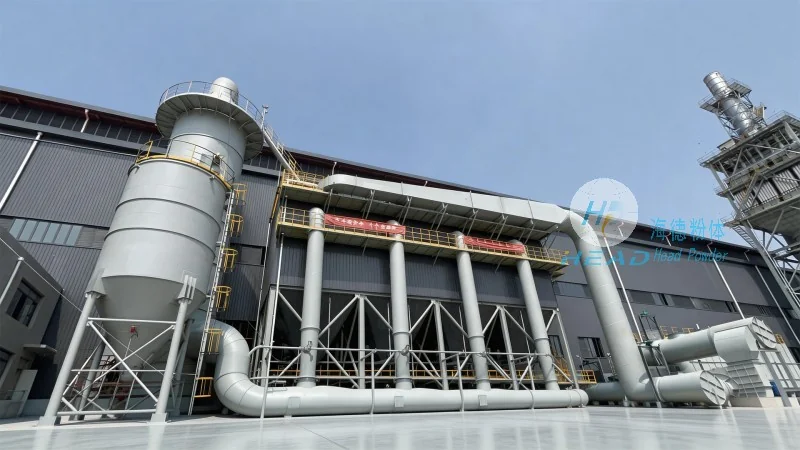
Performance and Optimization
The performance of the coal stone powder conveying system is evaluated based on several key metrics, including capacity, efficiency, and reliability. Capacity refers to the amount of material that can be transported per unit of time, and is influenced by factors such as the type of equipment used and the system's design. Efficiency is measured by the energy consumption per unit of material transported, and is optimized through the selection of efficient equipment and proper system design. Reliability is assessed by the system's ability to operate continuously without downtime, which is achieved through regular maintenance and the use of high-quality components. To optimize the performance of the system, headpowder employs various techniques, such as adjusting the speed of the conveyor, modifying the hopper design to improve flow, and using additives to enhance the material's flowability. Additionally, the system may be equipped with monitoring sensors that provide real-time data on the material's flow rate, pressure, and temperature, allowing for immediate adjustments to maintain optimal performance. The use of data analytics and predictive maintenance tools further enhances the system's performance by identifying potential issues before they lead to failures. By continuously monitoring and optimizing the system, headpowder ensures that its clients achieve the highest possible efficiency and reliability in their coal stone powder conveying operations.




