Automatic waste loading material pneumatic conveying lines represent a sophisticated solution for efficient material handling in waste management and related industrial applications. These systems are designed to automate the process of transporting bulk materials, such as waste or other granular substances, from a loading point to a processing or disposal site. The technology behind these lines integrates pneumatic conveying principles with automated feeding mechanisms, ensuring reliable and continuous operation.
Company Overview
HeadPowder, formally known as Shandong HeadPowder Engineering Co., Ltd., is a leading provider of engineering solutions for material handling and processing systems. With operations based in Shandong, China, the company specializes in the design, manufacturing, and implementation of advanced pneumatic conveying equipment tailored to meet the demands of various industrial sectors, including waste management, food processing, and chemical industries. HeadPowder's expertise lies in delivering customized solutions that enhance operational efficiency and sustainability.
Principle of Operation
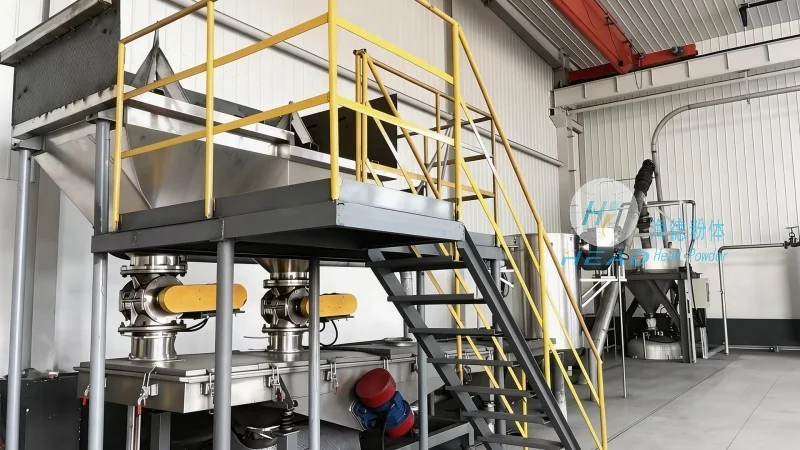
The core principle of automatic waste loading material pneumatic conveying lines is the use of air as the conveying medium to transport bulk materials through a network of pipes. The system typically operates by creating a pressure differential between the loading and discharge points. At the loading end, a feeder or hopper feeds the material into a venturi or other air-moving device, where it is entrained by the high-velocity air stream. This air-material mixture is then propelled through the pipeline to the discharge point, where the material is separated from the air and collected. The system may incorporate various components, including air compressors, filters, and control systems, to ensure optimal performance and material handling efficiency.
Working Scene Characteristics
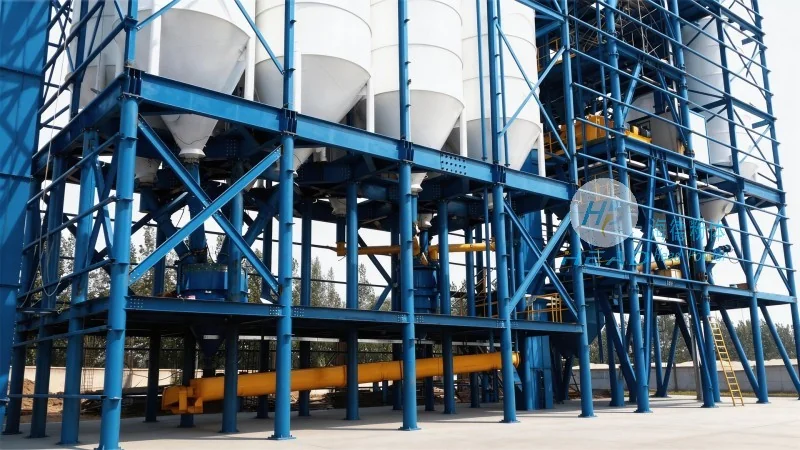
The working scene characteristics of these conveying lines are tailored to specific industrial environments, particularly in waste management facilities. The systems are designed to handle a wide range of waste types, from organic waste to recyclable materials, with the ability to adapt to varying material properties and flow rates. Key characteristics include high automation levels, which reduce labor requirements and enhance safety in hazardous waste handling environments. Additionally, the systems are engineered for durability and low maintenance, ensuring long-term reliability in demanding operational conditions. The integration of automated feeding mechanisms allows for continuous operation, minimizing downtime and maximizing throughput. In waste management applications, these lines are often used to transport waste from collection points to sorting facilities or disposal sites, facilitating efficient material segregation and processing.
Key Features and Advantages
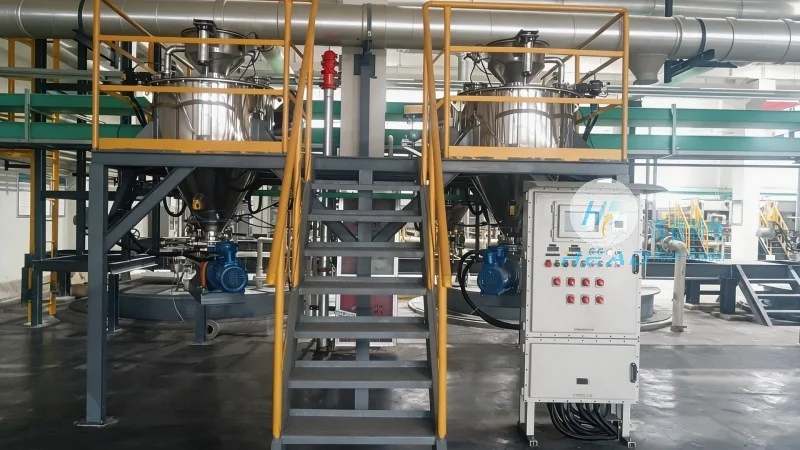
Automatic waste loading material pneumatic conveying lines offer several advantages that make them an attractive solution for industrial material handling. These include high efficiency in transporting bulk materials over long distances, reduced need for manual labor, and improved safety in handling potentially hazardous waste. The systems are also designed to be flexible, allowing for adjustments in conveying capacity and material types as operational needs change. Furthermore, the use of pneumatic conveying minimizes material contamination and dust exposure, contributing to a cleaner and safer working environment. The automated feeding mechanisms ensure consistent material flow, which is crucial for maintaining the performance of downstream processing equipment.
Application Examples
These conveying systems are commonly applied in waste management facilities, where they play a critical role in the collection and transport of waste materials. For instance, in municipal waste processing plants, the lines can be used to transport sorted recyclables from sorting stations to recycling facilities. In industrial settings, they may handle waste from manufacturing processes, such as food processing or chemical production, transporting it to disposal or treatment sites. The adaptability of the systems allows them to be integrated into existing infrastructure, enhancing the overall efficiency of material handling operations. By automating the waste loading and conveying process, these systems help reduce operational costs and improve the sustainability of waste management practices.




