Pneumatic conveying is a critical technology in material handling, particularly for bulk materials like iron sand. This method involves transporting solid particles through a pipeline using a stream of air or other gas. The process is efficient, flexible, and can be adapted to various industrial applications, making it a preferred choice for many industries dealing with iron sand and similar materials.
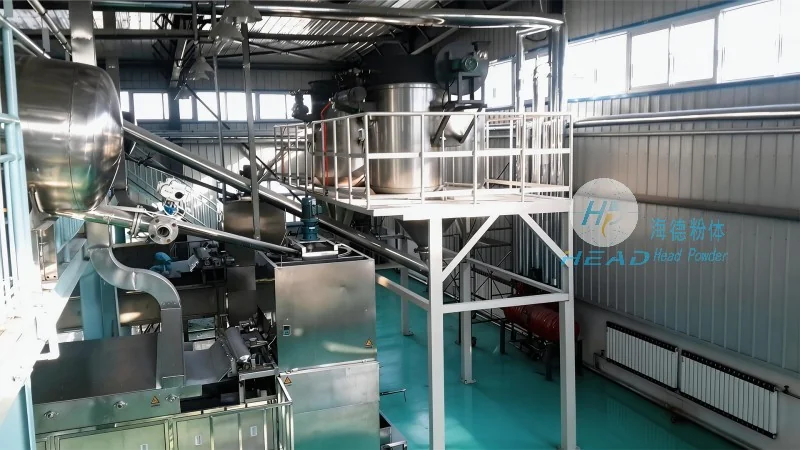
Characteristics of Iron Sand and Their Impact on Pneumatic Conveying
Iron sand, also known as magnetite or hematite sand, is a type of iron ore with high magnetic properties and a relatively high density. The particle size distribution, moisture content, and density of iron sand significantly affect the performance of pneumatic conveying systems. For example, finer particles may require higher air velocities to maintain suspension, while larger or denser particles might need more robust equipment to prevent blockages or pressure drops. Understanding these characteristics is essential for designing an effective pneumatic conveying system tailored to iron sand applications.
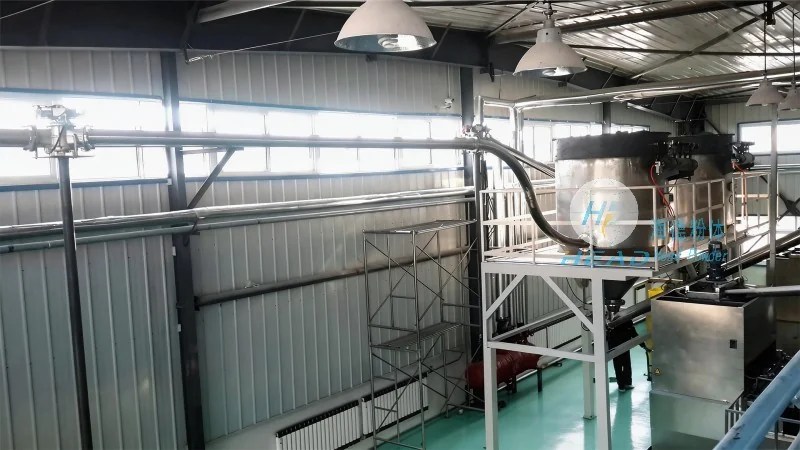
The Working Principle of Pneumatic Conveying for Iron Sand
The core principle of pneumatic conveying for iron sand is the use of air to create a flow that transports the material through a pipeline. There are two main types of pneumatic conveying systems: dilute phase and dense phase. Dilute phase systems operate at higher air velocities, typically 20-30 m/s, and are suitable for transporting fine iron sand particles over short to medium distances. Dense phase systems, on the other hand, use lower air velocities (5-15 m/s) and higher material-to-air ratios, which is ideal for handling larger iron sand particles or when the material is prone to segregation. The system typically includes a hopper for material storage, a feeder to control the flow rate, a blower or compressor to generate the air flow, and a pipeline network to transport the iron sand. The material is introduced into the pipeline at a controlled rate, and the air flow ensures it remains suspended and moves efficiently to the destination.
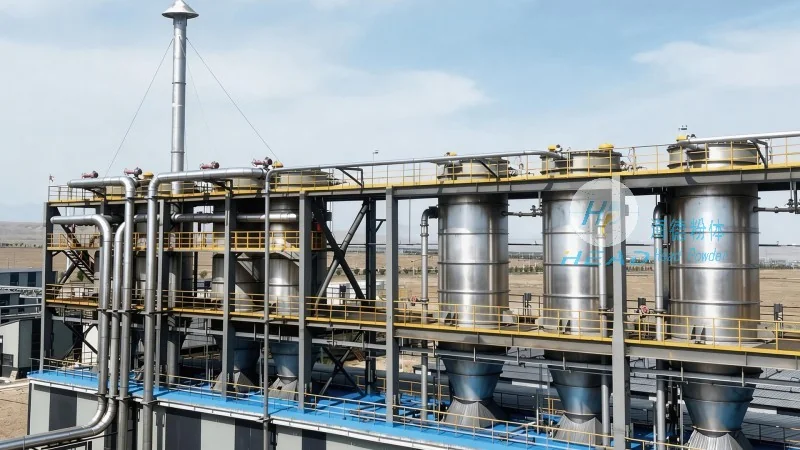
Working Scene Characteristics of Pneumatic Conveying for Iron Sand
The working scene characteristics of pneumatic conveying for iron sand vary based on the specific application and operational requirements. For instance, in mining operations, iron sand is often transported from extraction sites to processing facilities, where the system must handle large volumes and varying particle sizes. In manufacturing plants, the system may be used to move iron sand from storage silos to production lines, requiring precise control over flow rates and material quality. Another key characteristic is the need for dust control and environmental compliance, as iron sand can generate significant airborne particles. Advanced systems often include filtration and dust collection equipment to minimize environmental impact. Additionally, the system's scalability is a critical factor, as it can be designed to handle from small-scale operations to large industrial plants, making it versatile for different working environments.
HeadPowder's Expertise in Pneumatic Conveying Solutions for Iron Sand
Shandong HeadPowder Engineering Co., Ltd., a leading provider of material handling solutions, specializes in designing and implementing pneumatic conveying systems tailored to the unique needs of iron sand applications. With years of experience in the industry, HeadPowder has developed a deep understanding of the challenges associated with iron sand material handling, including particle characteristics, flow control, and system efficiency. The company's engineers work closely with clients to assess their specific requirements, such as the volume of iron sand to be transported, the distance, and the desired level of automation. Based on this assessment, HeadPowder designs custom pneumatic conveying systems that optimize performance, reduce operational costs, and ensure compliance with industry standards. The company's solutions are built with high-quality components, ensuring durability and reliability in demanding industrial environments. By leveraging advanced technology and engineering expertise, HeadPowder provides effective and efficient pneumatic conveying solutions that meet the diverse needs of iron sand processing and handling operations.
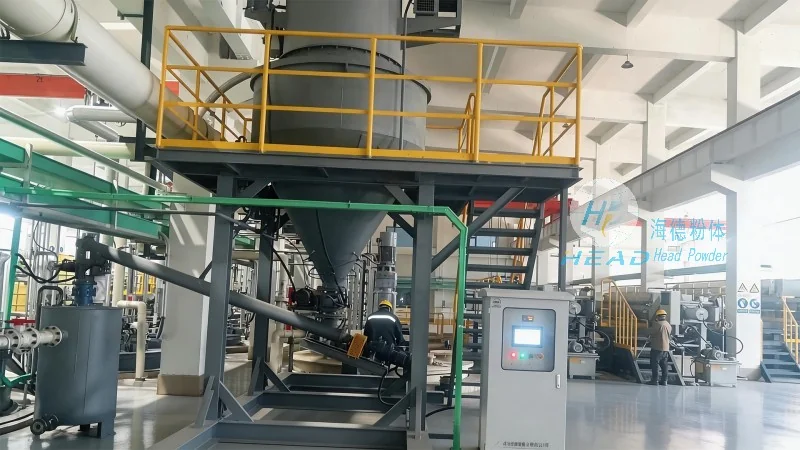
Conclusion: The Importance of Pneumatic Conveying in Iron Sand Material Handling
Pneumatic conveying is a vital technology for the efficient and reliable handling of iron sand materials. Its ability to transport bulk materials through pipelines without the need for mechanical components makes it a preferred choice in many industries. The working principles and scene characteristics of pneumatic conveying for iron sand are closely tied to the material's properties and the specific operational requirements. By understanding these factors and leveraging advanced engineering solutions, industries can optimize their material handling processes, reduce costs, and improve overall efficiency. As a leading provider of material handling solutions, Shandong HeadPowder Engineering Co., Ltd. continues to play a key role in advancing pneumatic conveying technology for iron sand applications, helping clients achieve their operational goals with high-performance systems.




