Biological enzyme material handling equipment is a specialized device designed to transport and process materials that contain biological enzymes. This equipment plays a crucial role in various industries, particularly in sectors where enzyme-based processes are integral to production. The following content will explore the fundamental principles behind this equipment and highlight its key working scene characteristics.
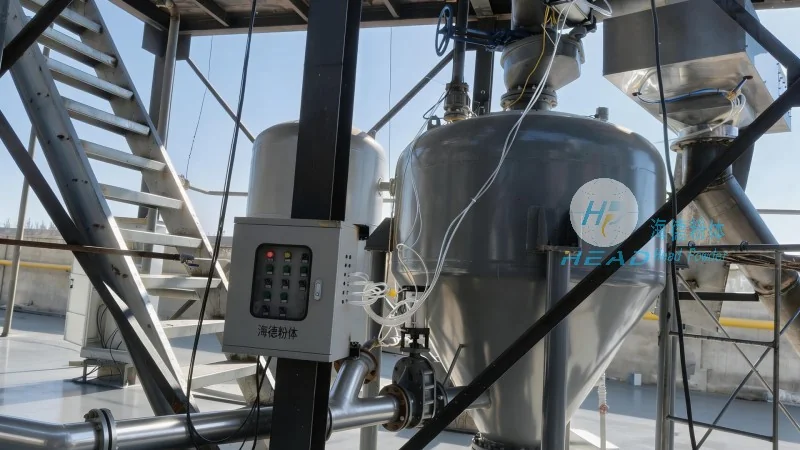
Company Introduction and Background
Headpowder, the manufacturer of this advanced equipment, is a leading company in the field of material handling solutions. Based in Shandong, China, Shandong HeadPowder Engineering Co., Ltd. has established itself as a trusted provider of innovative equipment tailored to meet the demands of modern industrial applications. The company’s commitment to quality and technological advancement ensures that their products, including biological enzyme material handling equipment, are designed to deliver optimal performance and reliability.
The Core Principles of Biological Enzyme Material Handling Equipment
The operation of biological enzyme material handling equipment is based on several key principles that ensure efficient and safe material transport. Firstly, the equipment is engineered to maintain the integrity of the biological enzymes during the handling process. This involves controlling temperature, humidity, and exposure to air to prevent degradation or loss of enzyme activity. Secondly, the design incorporates mechanisms that minimize mechanical stress on the enzymes, such as gentle agitation or low-speed conveying systems. Thirdly, the equipment is constructed with materials that are compatible with the enzymes and do not introduce contaminants. These principles collectively ensure that the enzymes remain active and effective throughout the material handling process.
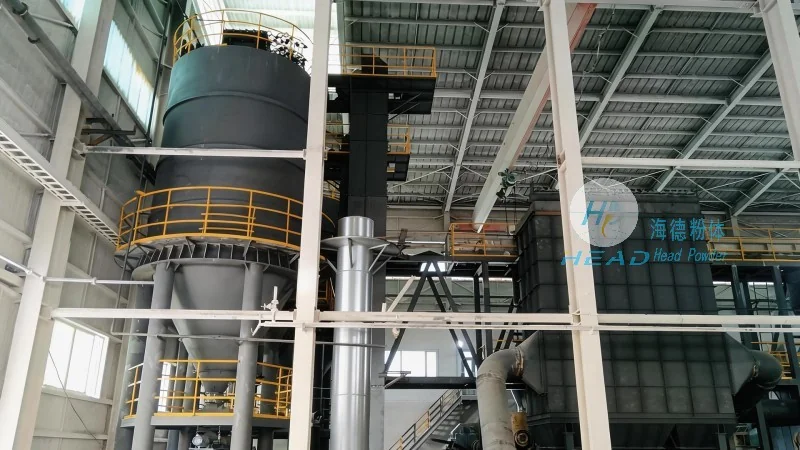
Working Scene Characteristics and Application Scenarios
The working scene characteristics of biological enzyme material handling equipment are tailored to specific industrial environments where enzyme-based processes are utilized. One common application is in the food and beverage industry, where enzymes are used for processes like fermentation, brewing, and dairy processing. In these settings, the equipment must handle materials like fruit pulp, yeast, or milk while preserving the enzymatic activity. Another key application is in the pharmaceutical and biotechnology sectors, where enzymes are used in drug synthesis or bioprocessing. Here, the equipment operates in sterile environments, requiring strict hygiene and contamination control measures. Additionally, the equipment is used in the chemical industry for processes involving enzyme-catalyzed reactions, where precise control over material flow and temperature is critical. The working scene characteristics include the need for gentle handling, temperature regulation, and compatibility with various enzyme types, all of which are addressed by the design of the equipment.
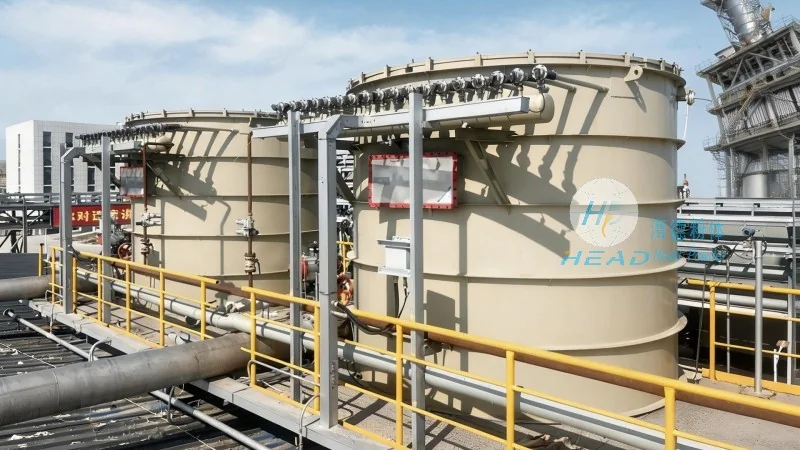
Key Features and Advantages in Practical Applications
Practical applications of biological enzyme material handling equipment demonstrate its versatility and effectiveness across different industries. For instance, in the food processing sector, the equipment efficiently transports enzyme-rich substrates, such as fruit mash or vegetable purees, without compromising the enzymatic activity. This ensures that the final product retains the desired flavor and nutritional properties. In the pharmaceutical industry, the equipment facilitates the handling of enzyme powders or suspensions, enabling precise dosing and mixing in production lines. The advantages of this equipment include its ability to maintain enzyme stability, reduce processing time, and minimize waste. Furthermore, the equipment’s design allows for easy integration into existing production systems, making it a cost-effective solution for companies looking to enhance their enzyme-based processes. The working scene characteristics, such as the need for controlled environments and gentle handling, are met through advanced engineering, ensuring that the equipment performs reliably in demanding industrial settings.
Conclusion and Future Outlook
In conclusion, biological enzyme material handling equipment is a vital component in industries that rely on enzyme-based processes. The principles of operation, combined with the working scene characteristics, ensure that materials are handled efficiently and safely, preserving the integrity of the enzymes. Companies like Shandong HeadPowder Engineering Co., Ltd. continue to innovate in this field, developing equipment that meets the evolving needs of modern industrial applications. As technology advances, the equipment is likely to become even more sophisticated, with enhanced capabilities for automation and integration into smart manufacturing systems. The future of biological enzyme material handling equipment looks promising, with continued growth in its adoption across various sectors.




