Wheat bran pneumatic conveying systems are integral to the food processing industry, particularly for the efficient handling of bulk materials like wheat bran. These systems employ air as a transport medium, offering a dust-free and hygienic alternative to traditional mechanical conveyors. The following sections delve into the core principles of these systems and the typical operational environments where they are applied.
Core Principles of Pneumatic Conveying Systems
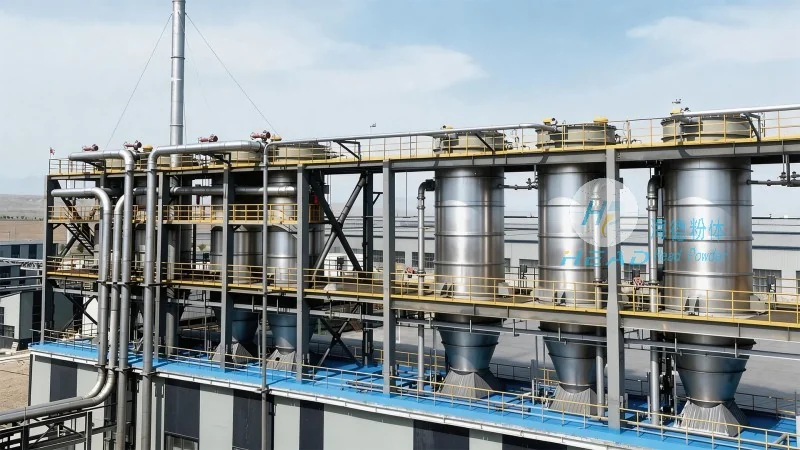
The operation of a wheat bran pneumatic conveying system is grounded in the fundamental principle of using air pressure or vacuum to move particulate materials. This method, known as pneumatic conveying, relies on a pressure differential within a pipeline to lift and propel wheat bran particles. The system typically comprises a hopper for material storage, a feeder to control the flow rate, a conveyor line, a control unit (such as a blower or vacuum pump), and a discharge point. Wheat bran is fed into the hopper and then introduced into the pipeline via a rotary valve or screw feeder. As air is introduced, it creates a flow that transports the material through the system. The pressure or vacuum level determines the conveying velocity and capacity, enabling continuous and efficient movement. This principle minimizes material degradation and contamination risks, making it ideal for food-grade applications.
Key Components and Their Functions
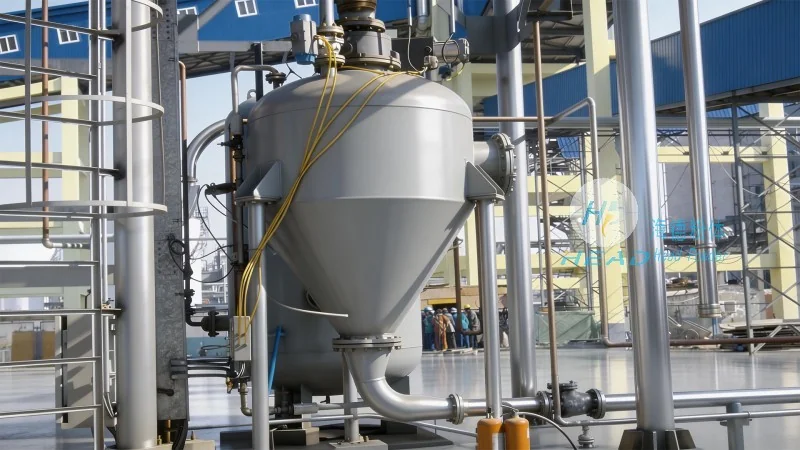
Several critical components work in concert to ensure the smooth operation of a wheat bran pneumatic conveying system. The hopper serves as the primary storage and feeding unit, holding the wheat bran before transport. The feeder, often a rotary valve or screw mechanism, regulates the material flow into the pipeline, preventing overloading and maintaining consistent performance. The conveyor line, constructed from durable materials like stainless steel or high-density plastic, is designed to withstand the abrasive nature of wheat bran and the pressure of the air flow. The control unit generates the necessary air pressure or vacuum to drive the material through the system, with adjustable settings for varying operational needs. Finally, the discharge point, such as a silo or processing unit, receives the conveyed wheat bran, completing the transport process. Each component is engineered to handle the specific characteristics of wheat bran, ensuring reliability and efficiency in industrial settings.
Advantages of Pneumatic Conveying for Wheat Bran
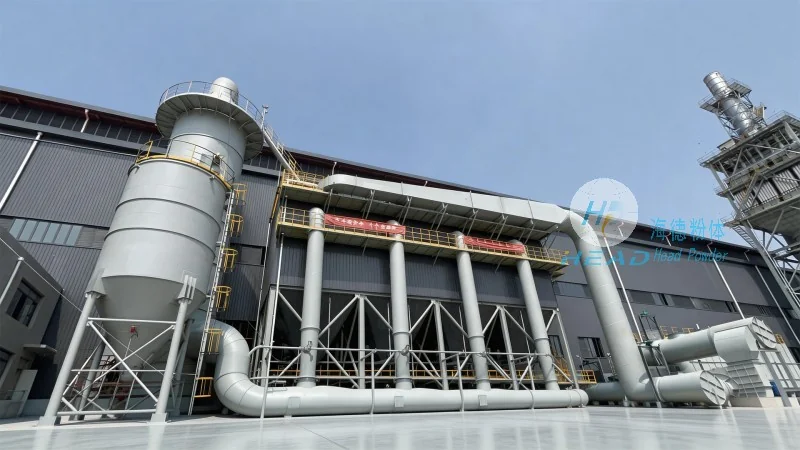
Compared to traditional mechanical conveyors, pneumatic systems offer distinct advantages when handling wheat bran. One key benefit is the elimination of dust and contamination, as the material remains contained within the pipeline. This enhances product hygiene and reduces the risk of spoilage, which is critical in food processing. Additionally, pneumatic systems provide greater flexibility and space efficiency, as they can be installed in various configurations—vertical, horizontal, or a combination—adapting to facility layouts. The ability to transport wheat bran over long distances without intermediate transfer points also boosts operational efficiency. Furthermore, these systems are less prone to blockages and material buildup, as the continuous air flow keeps particles moving, reducing downtime and maintenance costs. Overall, the advantages of pneumatic conveying make it a preferred choice for handling wheat bran in industrial applications.
Typical Operational Scenarios
Wheat bran pneumatic conveying systems are commonly utilized in several operational scenarios within the food processing industry. A primary application is in flour mills, where the system transports wheat bran from the milling process to storage silos or packaging areas. The system ensures efficient, hygienic movement of the bran, preserving its quality for further use. Another common scenario is in animal feed production, where wheat bran serves as a key ingredient. The pneumatic system delivers the bran from storage to feed mixing facilities, ensuring consistent and reliable supply. Additionally, in biofuel production, wheat bran is used as a feedstock for ethanol or biogas generation. The conveying system plays a vital role in delivering the bran to processing units, supporting the production process. In each of these scenarios, the system's ability to handle bulk materials efficiently and maintain product quality is essential for operational success.
Application in Shandong HeadPowder Engineering Co., Ltd.
Shandong HeadPowder Engineering Co., Ltd., a leading manufacturer of pneumatic conveying systems, specializes in providing customized solutions for handling wheat bran and other bulk materials. The company’s expertise lies in designing and manufacturing systems that meet the specific requirements of food processing facilities. With a focus on durability, efficiency, and hygiene, HeadPowder’s systems are engineered to handle the abrasive nature of wheat bran and the demands of industrial operations. The company’s products are widely used in flour mills, feed production plants, and biofuel facilities across China, demonstrating their reliability and effectiveness. By leveraging advanced technology and rigorous quality control, HeadPowder ensures that its pneumatic conveying systems deliver optimal performance and contribute to the overall productivity of its clients’ operations. The company’s commitment to innovation and customer satisfaction has established it as a trusted partner in the industry, providing tailored solutions that enhance the efficiency and safety of wheat bran handling processes.




