HeadPowder, a leading engineering firm based in Shandong, China, specializes in the design and implementation of advanced material handling solutions. Among their portfolio is the mixed positive and negative pressure pneumatic conveying system, a sophisticated technology that combines the advantages of both positive and negative pressure conveying methods to enhance efficiency and flexibility in material transport.
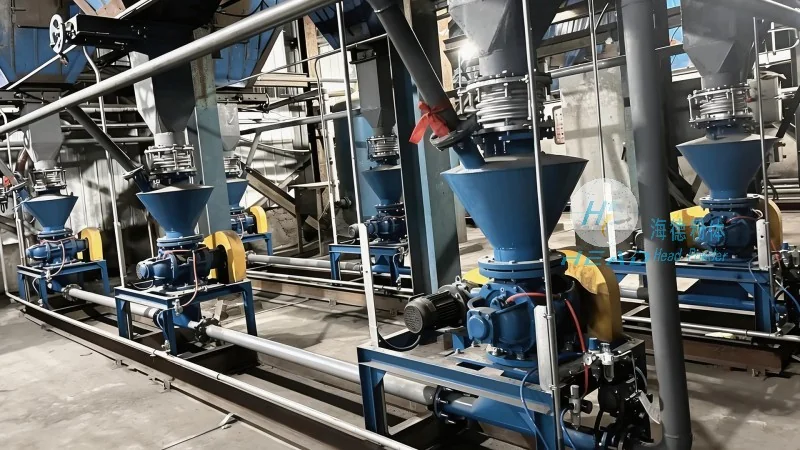
Understanding the Principle of Mixed Positive and Negative Pressure Pneumatic Conveying
The core principle of this system lies in the strategic integration of positive and negative pressure zones within the conveying pipeline. Positive pressure conveying operates by generating an overpressure in the pipeline, pushing material forward using compressed air. In contrast, negative pressure conveying creates a vacuum, drawing material from the source into the pipeline. By alternating or combining these pressures along the conveying path, the system can adapt to varying material properties, pipeline lengths, and operational requirements. This hybrid approach allows for the transportation of a wide range of bulk materials, including powders, granules, and even fine particles, with minimal degradation and loss.
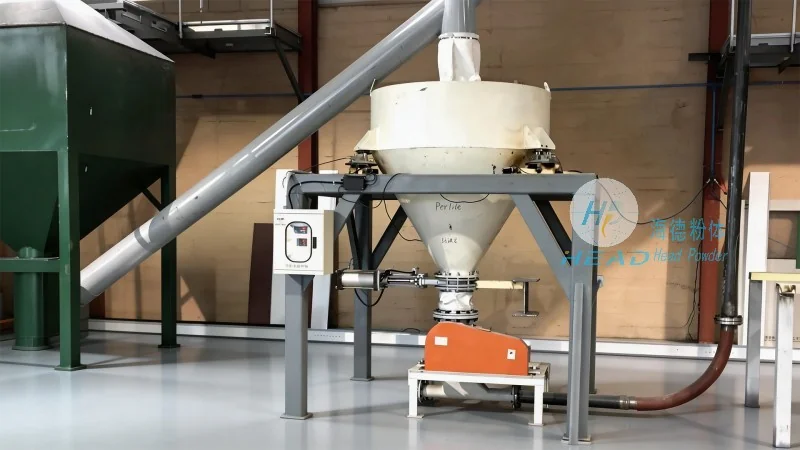
Key Working Scene Characteristics
One of the most notable characteristics of the mixed positive and negative pressure pneumatic conveying system is its adaptability to diverse industrial applications. The system excels in scenarios where traditional conveying methods may struggle, such as long-distance transport, complex route changes, or the need to handle materials with varying flow characteristics. For instance, in pharmaceutical manufacturing, where material purity and contamination control are paramount, this system ensures a clean and efficient transfer process. Similarly, in food processing industries, the system’s ability to maintain product integrity while handling sensitive ingredients makes it an ideal choice. Additionally, the system’s flexibility allows it to be integrated into existing production lines with minimal disruption, reducing downtime and operational costs.
Advantages in Material Handling
Compared to conventional conveying systems, the mixed positive and negative pressure pneumatic conveying system offers several distinct advantages. First, it provides superior control over material flow, enabling precise regulation of pressure and velocity to prevent material degradation or blockages. Second, the system’s ability to handle both abrasive and non-abrasive materials makes it versatile for various industries, from chemical processing to mining. Third, the reduced need for mechanical components, such as belts or buckets, minimizes maintenance requirements and operational costs over time. Furthermore, the system’s compact design allows for installation in confined spaces, making it suitable for facilities with limited floor space. These advantages collectively contribute to increased productivity and lower long-term operational expenses for businesses.
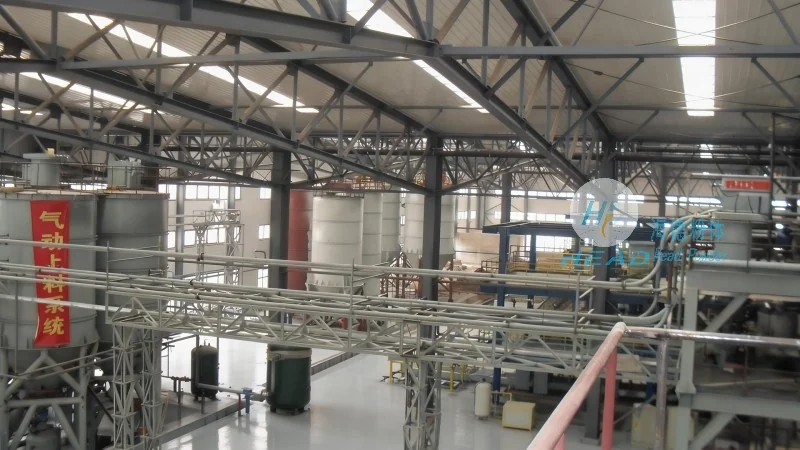
Application Examples and Operational Efficiency
Real-world applications of the mixed positive and negative pressure pneumatic conveying system demonstrate its effectiveness in improving operational efficiency. In a chemical plant, the system was used to transport fine powders over a distance of 500 meters, achieving a conveying rate of 10 tons per hour with minimal material loss. The system’s ability to handle the abrasive nature of the material without causing wear and tear on the pipeline was particularly beneficial. In another case, a food processing company implemented the system to transport flour from storage silos to production lines, reducing the risk of cross-contamination and improving overall hygiene standards. The system’s adaptability to changes in production volume, such as during peak demand periods, allowed the company to maintain consistent output without additional investments in infrastructure. These examples highlight the system’s reliability and efficiency in meeting the demands of modern industrial operations.




