Understanding the operation and application of sodium nitrate pneumatic conveying systems is crucial for industries dealing with this chemical. This article explores the fundamental principles behind such systems and highlights key characteristics of their operational environments, providing insights into how these systems are designed and utilized in practical settings.
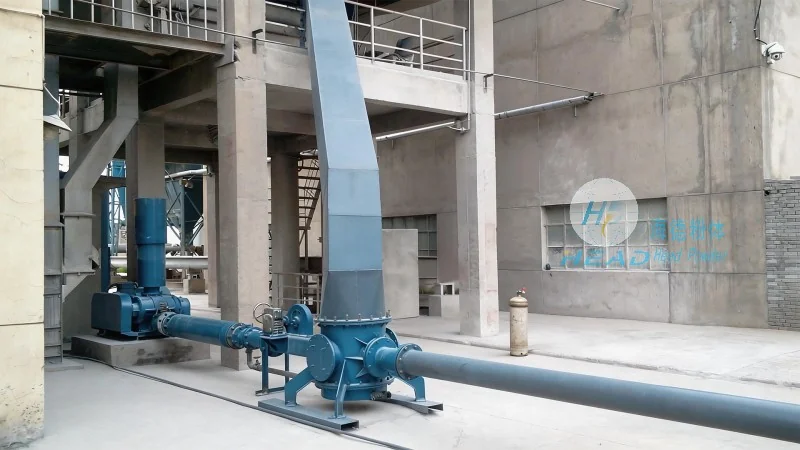
Introduction to Sodium Nitrate Pneumatic Conveying Systems
Sodium nitrate, a critical chemical compound widely used in agriculture, food processing, and industrial applications, requires efficient and safe handling methods. Pneumatic conveying systems offer a reliable solution for transporting sodium nitrate, ensuring minimal dust generation, reduced material degradation, and enhanced safety compared to traditional methods like belt conveyors or bucket elevators. The systems are engineered to handle the specific properties of sodium nitrate, including its granular or powder form, and the environmental conditions in which it is processed.
The Core Principle of Pneumatic Conveying
The fundamental principle of pneumatic conveying involves the use of air or other gases to transport solid materials through a pipeline. In the case of sodium nitrate, the system operates by creating a pressure differential between the inlet and outlet of the conveying line. A blower or compressor generates the necessary airflow, which draws the sodium nitrate particles into the pipeline. The velocity of the air is carefully controlled to ensure that the particles remain suspended and are transported efficiently without causing blockages or excessive wear on the system components. The design of the conveying line, including the diameter, length, and bends, is optimized to maintain the appropriate air velocity and pressure to achieve effective material transport.
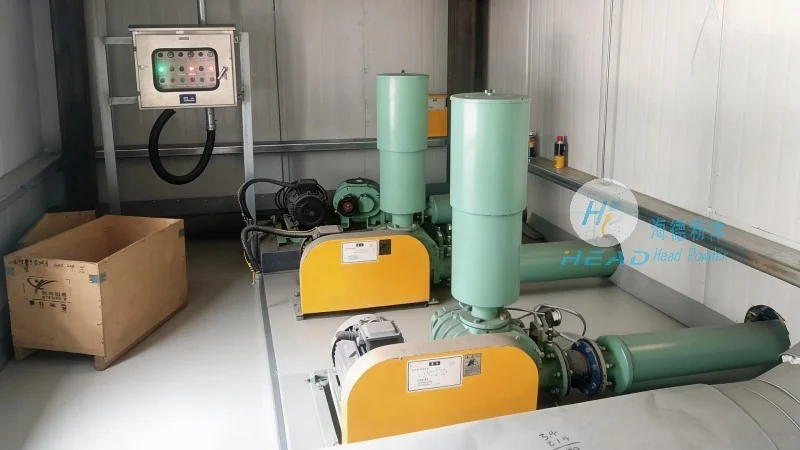
Key Working Scene Characteristics
The operational environment of sodium nitrate pneumatic conveying systems exhibits several distinct characteristics that influence system design and performance. First, the material's hygroscopic nature means that moisture absorption can affect the system's efficiency and the material's quality. Therefore, systems are often equipped with drying or moisture control mechanisms to maintain the integrity of the sodium nitrate. Second, the system must be designed to handle potential dust explosions, as sodium nitrate is a combustible dust under certain conditions. Explosion-proof components and proper ventilation are critical safety features integrated into the system. Third, the scale of operation varies from small-scale laboratory applications to large industrial plants, requiring systems that can be scaled to handle different throughput capacities. The working environment may also involve temperature variations, requiring materials and components that can withstand thermal stress without compromising performance.
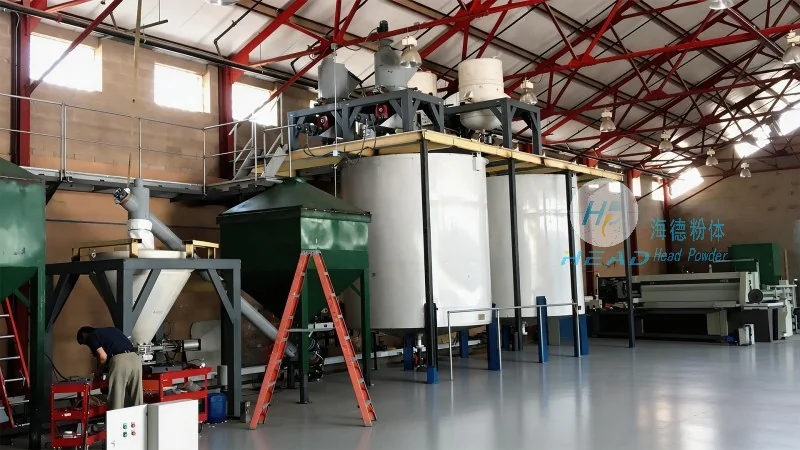
Application Scenarios and System Design Considerations
Sodium nitrate pneumatic conveying systems are deployed in diverse industrial settings, each with unique requirements. In agricultural fertilizer production, the systems are used to transport raw sodium nitrate from storage silos to processing units, ensuring a continuous and dust-free flow. In food processing facilities, the systems handle sodium nitrate used as a food additive, where hygiene and contamination control are paramount. The design of the system in these scenarios includes stainless steel components to prevent corrosion and maintain food safety standards. In chemical manufacturing plants, the systems are integrated into larger production lines, where the ability to handle high volumes and maintain precise material flow rates is essential. The system design also considers the need for easy maintenance and cleaning, as sodium nitrate can accumulate in system components and require regular upkeep to prevent clogging or performance degradation.
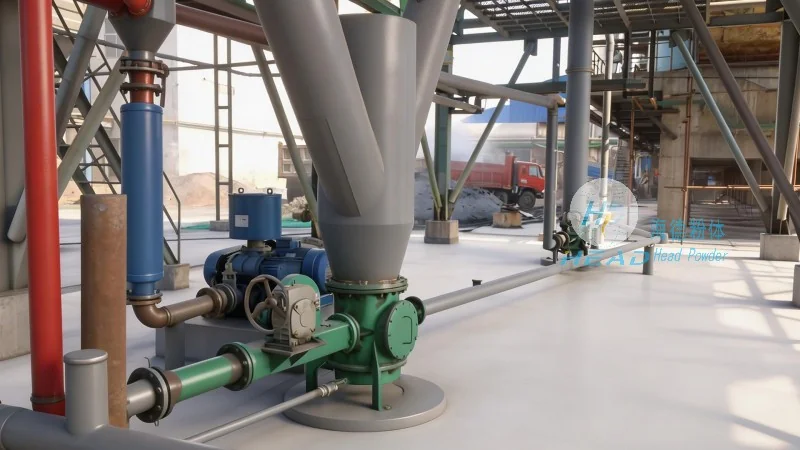
Advantages and Performance Metrics
Implementing pneumatic conveying systems for sodium nitrate offers several advantages over traditional material handling methods. The primary benefit is the reduction in dust exposure, which improves workplace safety and compliance with occupational health regulations. Additionally, the systems minimize material degradation by avoiding direct impact or friction, preserving the quality of the sodium nitrate. The enclosed pipeline design also reduces the risk of environmental contamination and material loss. Performance metrics such as conveying capacity, pressure drop, and energy efficiency are critical in evaluating the effectiveness of the system. Modern systems are equipped with sensors and control systems that monitor airflow, pressure, and material flow rates in real-time, allowing for adjustments to optimize performance and reduce operational costs.
Conclusion and Practical Insights
As industries continue to rely on sodium nitrate for various applications, the importance of efficient and reliable pneumatic conveying systems cannot be overstated. The principles and characteristics discussed in this article highlight the technical considerations and operational requirements for successful implementation. By understanding the core mechanisms of pneumatic conveying and the specific needs of sodium nitrate handling, companies can select and maintain systems that enhance productivity, ensure safety, and maintain material quality. For businesses operating in the sodium nitrate sector, partnering with specialized engineering firms like Shandong HeadPowder Engineering Co., Ltd. can provide tailored solutions that address their unique operational challenges and contribute to long-term operational efficiency.




