Phenolic resin powders are widely used in various industrial applications due to their excellent properties, such as high thermal stability, good electrical insulation, and strong bonding capabilities. The efficient and reliable transportation of these powders is crucial for maintaining production efficiency and product quality. Pneumatic conveying technology offers a solution to handle phenolic resin powders, especially in scenarios where traditional methods like belt conveyors or bucket elevators may not be suitable. This article explores the principles of pneumatic conveying for phenolic resin powders and highlights the key characteristics of its application scenarios.
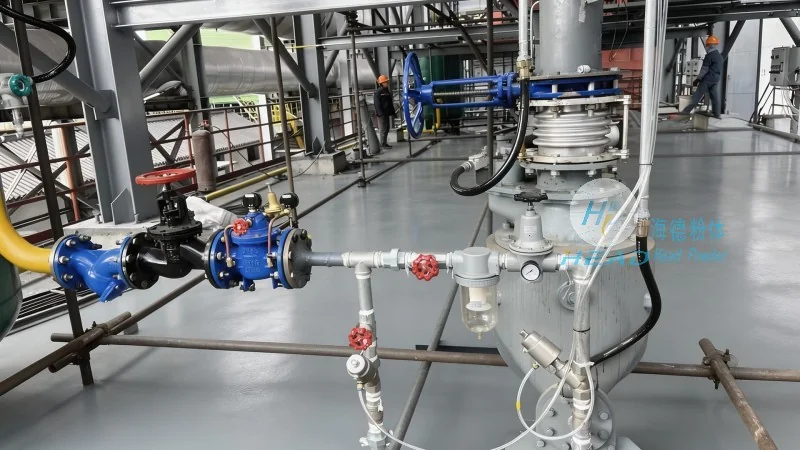
Understanding Pneumatic Conveying Principles
Pneumatic conveying is a method that uses compressed air or other gases to transport bulk materials like powders, granules, or small particles through a pipeline system. The process involves creating a pressure differential between the inlet and outlet of the conveying line, which propels the material forward. For phenolic resin powders, the choice of conveying system depends on several factors, including the material's properties, the required conveying distance, and the desired flow rate. Two main types of pneumatic conveying systems are commonly used: pressure and vacuum systems. Pressure systems operate by introducing compressed air at the material inlet, while vacuum systems create a negative pressure at the outlet to draw the material through the pipeline.
Key Characteristics of Application Scenarios
The application scenarios for pneumatic conveying of phenolic resin powders vary based on the specific requirements of the industrial process. Some common characteristics include:
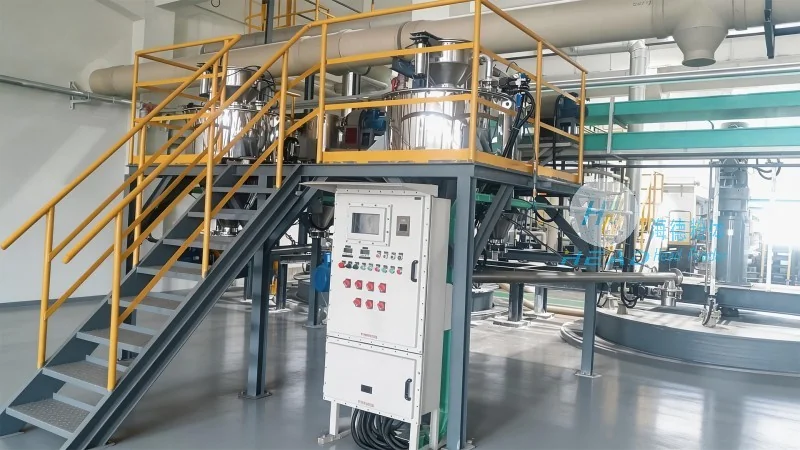
1. High-Purity Environments: In industries such as electronics and aerospace, where phenolic resin powders are used for manufacturing components that require strict purity standards, pneumatic conveying minimizes contamination from external sources. The enclosed pipeline system prevents dust and airborne particles from entering the material stream, ensuring that the final product meets stringent quality requirements.
2. Long-Distance Conveying: For facilities with large production areas or multiple processing units, pneumatic conveying can transport phenolic resin powders over significant distances without the need for intermediate storage or transfer points. This reduces the complexity of the material handling system and improves overall operational efficiency.
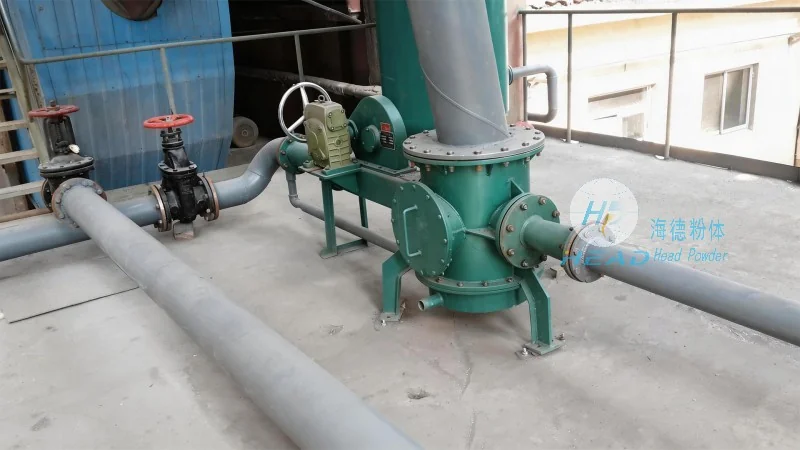
3. Handling Hazardous Materials: Phenolic resin powders may be used in applications involving flammable or toxic substances. Pneumatic conveying systems can be designed with explosion-proof features and sealed pipelines to prevent the release of hazardous materials into the environment. This ensures compliance with safety regulations and protects personnel from exposure.
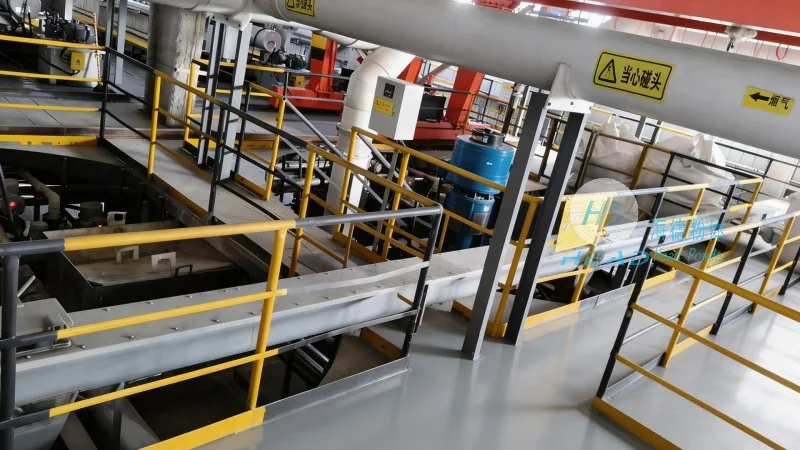
4. Integration with Automated Processes: Modern manufacturing lines often rely on automated material handling systems. Pneumatic conveying can be integrated with other automation components, such as dosing equipment, mixing machines, and packaging units. This integration allows for seamless material flow, reducing manual intervention and improving production consistency.
Company Overview: Shandong HeadPowder Engineering Co., Ltd.
Shandong HeadPowder Engineering Co., Ltd., commonly known as headpowder, is a leading provider of specialized solutions for the handling and transportation of industrial powders. With a focus on innovation and customer-centric approaches, the company has developed advanced pneumatic conveying systems tailored to the unique needs of phenolic resin powders. Headpowder's expertise lies in designing customized conveying solutions that optimize material flow, minimize downtime, and enhance overall production efficiency. The company's facilities are located in Shandong, China, where it leverages local resources and industry knowledge to deliver high-quality products and services to clients worldwide.




