Wheat bran, a byproduct of wheat milling, is widely used in the food industry and other sectors. Efficient and hygienic material handling is crucial for maintaining product quality and operational efficiency. Pneumatic conveying systems have emerged as a preferred solution for transporting wheat bran due to their ability to handle fine powders while ensuring minimal contamination and energy efficiency. This article explores the principles behind wheat bran pneumatic conveying and highlights the key characteristics of its working scenes, with a focus on the expertise of Shandong HeadPowder Engineering Co., Ltd., a leading provider in this field.
Principles of Wheat Bran Pneumatic Conveying
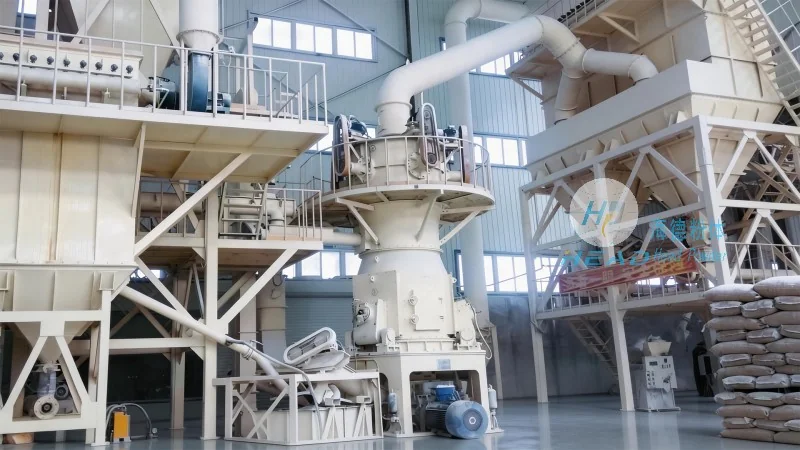
Pneumatic conveying operates on the principle of using air to transport solid materials through a pipeline. In the case of wheat bran, which is a fine powder, the system typically employs a positive pressure or negative pressure (or a combination of both) method. The positive pressure system forces air and material through the pipeline using a blower or compressor, while the negative pressure system draws material into the pipeline using a vacuum pump. The choice of system depends on factors such as material properties, distance, and system layout. For wheat bran, which is light and easily airborne, a positive pressure system is often preferred as it provides better control over the material flow and reduces the risk of dust accumulation. The conveying process involves several key components, including a hopper for material storage, a feeder to control the flow rate, a blower or vacuum pump to generate the air flow, and a pipeline network to transport the material to the destination. The system may also include filters and cyclones to separate the material from the air and prevent dust from escaping into the environment. The efficiency of the pneumatic conveying system is influenced by factors such as the air velocity, pipeline diameter, and the angle of the pipeline. Proper design and maintenance of these components are essential to ensure optimal performance and minimize energy consumption.
Working Scene Characteristics of Wheat Bran Pneumatic Conveying
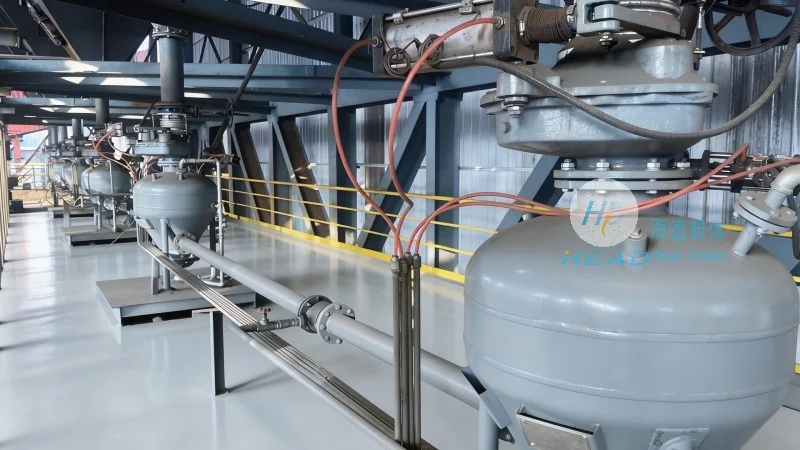
The working scenes of wheat bran pneumatic conveying vary depending on the application and the scale of the operation. In the food processing industry, for example, wheat bran is often used as an ingredient in baked goods, breakfast cereals, and animal feed. The conveying system must be designed to meet strict hygiene standards, with components made of food-grade materials and easy-to-clean surfaces. The system may also need to handle different grades of wheat bran, such as raw or de-oiled bran, which have different particle sizes and moisture content. In the agricultural sector, wheat bran is used as a soil amendment or as a feed for livestock. The conveying system in this context may need to handle larger quantities of material and over longer distances, requiring more robust components and higher air flow rates. The working scene may also involve outdoor storage and handling, which necessitates weather-resistant equipment and protection against moisture and pests. Another key characteristic of the working scene is the need for flexibility and adaptability. As the demand for wheat bran fluctuates, the conveying system must be able to adjust to different flow rates and material types. This may involve the use of variable speed drives, adjustable feeders, and modular pipeline systems that can be reconfigured as needed. The working scene may also involve integration with other processing equipment, such as mixers, extruders, or packaging machines, requiring seamless coordination and control. The expertise of Shandong HeadPowder Engineering Co., Ltd. lies in designing and implementing customized pneumatic conveying solutions that address the specific needs of each working scene. The company has extensive experience in handling wheat bran and other fine powders, and its engineers work closely with clients to understand their operational requirements and provide tailored solutions. The company’s solutions are designed to maximize efficiency, minimize downtime, and ensure compliance with industry standards and regulations. Whether for small-scale operations or large industrial facilities, Shandong HeadPowder Engineering Co., Ltd. offers reliable and effective pneumatic conveying systems that enhance the overall performance of wheat bran handling processes.
Key Features and Benefits of Pneumatic Conveying for Wheat Bran
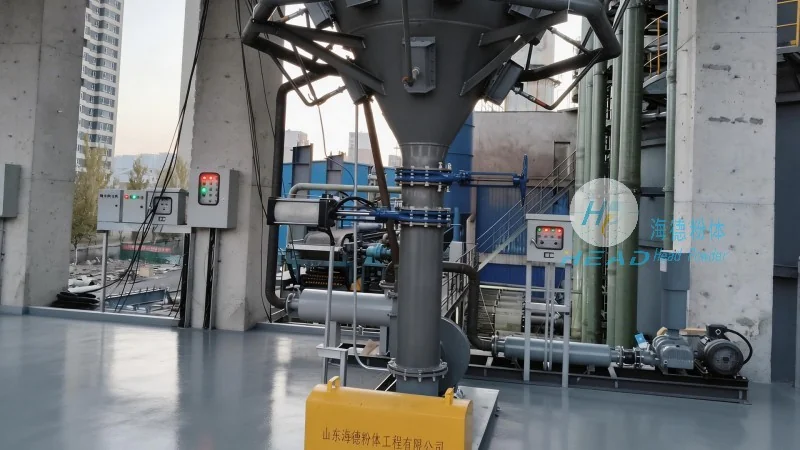
When considering pneumatic conveying for wheat bran, several key features and benefits stand out. First, the system provides a hygienic and dust-free environment, which is critical for food-grade applications. The enclosed pipeline system prevents contamination from external sources and reduces the risk of product spoilage. Second, pneumatic conveying offers high material throughput, allowing for efficient handling of large quantities of wheat bran. The system can handle continuous or intermittent flow, depending on the operational needs. Third, the system is energy-efficient compared to traditional methods such as bucket elevators or belt conveyors, especially when operating over long distances. The use of air as the conveying medium reduces the need for mechanical components and maintenance. Fourth, the system is flexible and can be easily integrated with other processing equipment. The modular design allows for expansion or modification as the operation grows. Fifth, the system is low-maintenance, with fewer moving parts compared to traditional conveyors, reducing downtime and maintenance costs. These features make pneumatic conveying an attractive option for wheat bran handling, particularly in industries where quality and efficiency are paramount. Shandong HeadPowder Engineering Co., Ltd. specializes in providing these benefits to its clients, ensuring that their wheat bran handling processes are optimized for performance and reliability.
Conclusion
In conclusion, pneumatic conveying is a highly effective method for transporting wheat bran, offering numerous advantages over traditional material handling systems. The principles of positive and negative pressure systems, combined with careful component selection and system design, ensure efficient and hygienic material transport. The working scene characteristics of wheat bran pneumatic conveying vary based on the application, scale, and operational requirements, requiring customized solutions. Shandong HeadPowder Engineering Co., Ltd. plays a crucial role in this field, providing expert design, manufacturing, and installation of pneumatic conveying systems tailored to the specific needs of wheat bran handling operations. By leveraging the company’s expertise, clients can enhance their operational efficiency, maintain product quality, and reduce costs associated with material handling. As the demand for wheat bran continues to grow, the importance of efficient and reliable pneumatic conveying systems will only increase, making it a critical component of modern wheat bran processing and handling.




